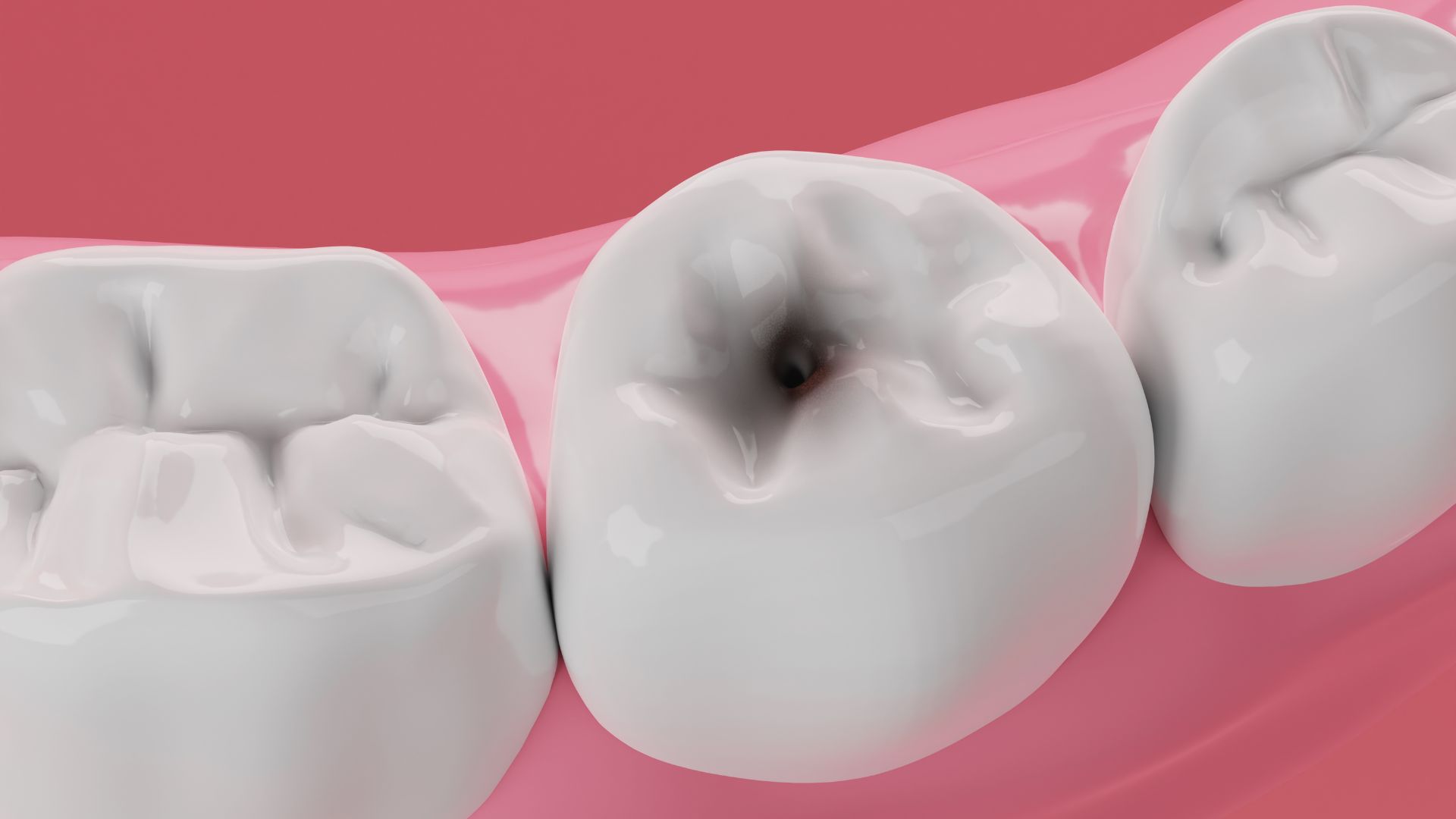
What is the Best Tooth Cavity Treatment? Comparing Fillings, SDF, and Fluoride Therapy
Tooth decay is one of the most common dental problems in the world. If not treated on time, it can lead to pain, infection, and even tooth loss. Choosing the right tooth cavity treatment can save you from bigger dental issues later.
The best choice depends on the size of the cavity, how early it’s found, and your personal needs. In this article, we’ll compare three popular options—fillings, Silver Diamine Fluoride (SDF), and fluoride therapy—so you can understand how they work and which one might be right for you.
Understanding Tooth Decay
A cavity starts when bacteria in your mouth produce acids that damage your tooth enamel. If this damage is not stopped, it can spread deeper into the tooth. Early detection is important because smaller cavities are easier and cheaper to treat. Dentists often use X-rays or visual exams to find cavities before they cause pain.
Dental Fillings
Fillings are the most common way to treat cavities. They work by removing the decayed part of the tooth and replacing it with a filling material.
How it works:
Your dentist numbs the area around the tooth.
The decayed part is cleaned out using a drill or laser.
The space is filled with a material such as composite resin, amalgam, or ceramic.
Benefits:
Works for small and medium-sized cavities.
Restores the strength and function of the tooth.
Can last for many years with good care.
Things to keep in mind:
Requires removal of some healthy tooth structure.
May take longer than other methods if the cavity is large.
Best for: People who have cavities that cannot be reversed with non-invasive treatments.
Silver Diamine Fluoride (SDF)
SDF is a liquid solution that can stop tooth decay without drilling. It contains silver, which kills bacteria, and fluoride, which strengthens teeth.
How it works:
The dentist applies the liquid directly to the decayed area.
The silver fights bacteria, and the fluoride helps rebuild the enamel.
The process is quick and painless.
Benefits:
No shots or drilling required.
Great for children, elderly patients, or those afraid of dental tools.
Can stop cavities from getting worse.
Things to keep in mind:
Turns the treated area black, which can be noticeable.
May not work well if the cavity is too deep.
Best for: Early to moderate cavities, especially in children or patients who cannot have traditional fillings right away.
Fluoride Therapy
Fluoride treatments can help reverse early tooth decay before a cavity forms a hole in the tooth. Dentists apply a high concentration of fluoride in the form of gel, foam, or varnish.
How it works:
The fluoride soaks into the enamel, making it more resistant to acid attacks.
It can help rebuild the mineral structure of teeth.
Benefits:
Non-invasive and quick.
Pain-free and safe for most people.
Protects against future decay.
Things to keep in mind:
Only works in the earliest stages of decay.
Not effective once the cavity has broken through the enamel.
Best for: People at high risk of cavities or those with early signs of enamel weakening.
How to Choose the Right Option
Here’s a simple way to think about your choices:
If the cavity is just starting: Fluoride therapy might reverse it.
If the cavity is small to medium-sized but needs treatment: A filling is the most common solution.
If you need a quick, drill-free option or have special needs: SDF can stop decay without traditional dental tools.
Your dentist will look at the size, depth, and location of your cavity before recommending the best option. Cost, appearance, and your comfort level will also play a role.
Costs and Lifespan of Each Option
Fillings: Can last 5–20 years depending on the material. Composite resin is tooth-colored but may last a bit less than metal fillings.
SDF: Needs reapplication every 6–12 months in some cases. Inexpensive compared to fillings.
Fluoride Therapy: Usually applied every 3–6 months for prevention. Very affordable.
Preventing Future Cavities
Even the best treatment cannot replace good dental care. You can lower your risk of needing future cavity repairs by:
Brushing twice a day with fluoride toothpaste.
Flossing daily to clean between teeth.
Limiting sugary snacks and drinks.
Visiting your dentist for regular check-ups.
A balanced diet and good oral hygiene can protect the investment you make in your dental treatment.
Pros and Cons at a Glance
| Treatment Type | Pros | Cons | Best For |
| Fillings | Long-lasting, restores function | Requires drilling, more expensive than SDF | Small to medium cavities |
| SDF | Painless, quick, inexpensive | Turns tooth dark, may need reapplication | Children, elderly, anxious patients |
| Fluoride Therapy | Pain-free, preventive, strengthens enamel | Only works for very early decay | Early decay, high cavity risk individuals |
Make the Best Choice for Your Oral Health
When it comes to deciding which option is the best, the stage of decay matters the most. Fillings remain the most common choice for treating cavities that cannot heal on their own. SDF is an excellent alternative if you want a painless, quick fix and don’t mind the color change. Fluoride therapy works best for prevention and early decay.
The right tooth cavity treatment can save your tooth, protect your smile, and prevent further dental problems. If you are unsure which option is best for you, speak with an experienced dentist who can guide you based on your specific situation.
Clinics like Groot Dental offer all these treatments and can help you choose the one that fits your needs.