

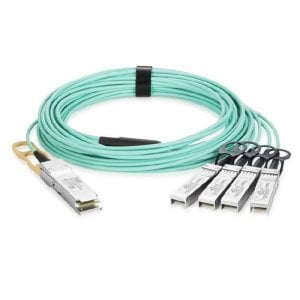
Why Should You Switch to an Active Fiber Optic Cable Today?
In our increasingly connected world, fast and reliable data transfer isn’t just a luxury—it’s a necessity. Whether it’s for streaming ultra-high-definition videos, handling large-scale corporate communications, or supporting the ever-growing demands of data centers, the quality of the cable that carries your information makes all the difference. One technology making a significant impact in this space is the active fiber optic cable. Designed to deliver exceptional speed, stability, and efficiency, it’s fast becoming the preferred choice for both businesses and tech-savvy individuals.
What Is an Active Fiber Optic Cable?
An active fiber optic cable, often called an AOC, uses light signals to transmit data through fine strands of glass or plastic fiber. The “active” part means the cable includes built-in electronic components that convert electrical signals into light at one end and then back to electrical signals at the other. This conversion process allows the cable to maintain high data transfer speeds and superior quality over longer distances without the need for external equipment.
This makes active fiber optic cables different from traditional copper cables, which rely entirely on electrical signals. Because light travels faster and suffers less interference than electricity, AOCs provide a level of performance that copper simply can’t match.
Why Choose Active Fiber Optic Cables Over Traditional Options?
The biggest advantage of active fiber optic cables is speed. Since they transmit data via light, they can achieve much higher bandwidth with lower latency compared to copper cables. This is critical for tasks like online gaming, real-time video conferencing, or large-scale data transfers where even the slightest delay can cause problems.
Another standout benefit is distance. Copper cables start losing signal quality over longer runs, but active fiber optic cables maintain consistent performance even across hundreds of meters. That makes them ideal for larger environments like corporate campuses, broadcast facilities, and multi-building data networks.
Additionally, these cables are immune to electromagnetic interference. In environments with lots of electronic equipment—like hospitals, manufacturing floors, or server rooms—this resistance ensures stable, uninterrupted performance.
Lightweight and Easy to Handle
Active fiber optic cables are much lighter and slimmer than copper cables of equivalent capability. This not only makes them easier to install but also simplifies cable management in environments where space is tight.
Because they’re flexible and easy to route, they’re also a great choice for temporary or mobile setups, such as live events, exhibitions, or production shoots, where quick installation and removal are necessary.
Energy Efficiency and Cost Savings
One often overlooked benefit of active fiber optic cables is their energy efficiency. Transmitting data using light requires less power than pushing electrical signals through copper, which means less heat generation. This can lead to reduced cooling needs in data centers and lower overall power consumption.
For businesses focused on sustainability, active fiber optic cables are an environmentally friendly upgrade that can also reduce operating costs over time.
Where Active Fiber Optic Cables Are Used
The versatility of active fiber optic cables makes them suitable for a wide range of applications. In corporate environments, they are the backbone of fast, secure networks connecting different departments or buildings.
In data centers, they ensure smooth, high-volume communication between servers, storage systems, and switches. In the broadcasting industry, they transmit high-definition video feeds with zero lag. The medical field uses them to quickly transfer massive imaging files, improving patient care and diagnostics.
Even at home, active fiber optic cables are becoming popular with gamers, streamers, and remote workers who demand a stable, high-speed connection for their activities.
Durability and Long-Term Reliability
Unlike copper cables, which can corrode and degrade over time, active fiber optic cables are more durable and resistant to environmental factors such as temperature changes, moisture, and electromagnetic interference. This means fewer replacements and less downtime due to cable failure.
While the initial investment may be higher, their longevity and low maintenance needs often make them more cost-effective in the long run.
A Future-Proof Networking Solution
The digital world is constantly evolving, with increasing demand for faster speeds and higher capacity. Technologies like virtual reality, artificial intelligence, cloud computing, and 8K video streaming require networks that can handle massive data loads without slowing down.
Active fiber optic cables are built to meet these demands, making them a future-proof solution. Investing in them now means you won’t have to upgrade your infrastructure as frequently, saving both money and time.
Active vs. Passive Fiber Optic Cables
Both active and passive fiber optic cables use light to transmit data, but the main difference lies in the built-in electronics. Active cables enhance performance by converting signals internally, allowing for longer distances and higher speeds without external boosters. Passive cables may be fine for short distances, but for large-scale or high-demand applications, active fiber optic cables are the better choice.
Tips for Installing and Maintaining Active Fiber Optic Cables
Installing active fiber optic cables is relatively straightforward, but they must be handled carefully to avoid damaging the delicate fibers inside. Avoid bending them too sharply, as this can weaken signal transmission. Keep connectors clean and covered when not in use to maintain performance.
Once installed, these cables require minimal maintenance. They’re resistant to many of the issues that plague copper cables, meaning they’ll continue delivering consistent performance for years with little attention.
Conclusion: Why It’s Time to Upgrade
The active fiber optic cable is more than just a step up from traditional networking options—it’s a leap into the future of connectivity. With unmatched speed, reliability over long distances, lightweight design, and energy efficiency, it’s a solution that fits a wide range of needs, from professional data centers to home entertainment systems.
Making the switch to active fiber optic cables can dramatically improve your data transfer capabilities, reduce downtime, and prepare your network for future demands. It’s not just about better performance today—it’s about building a system that will continue to deliver for years to come.
By upgrading, you’re not simply replacing a cable—you’re investing in a faster, smarter, and more reliable digital future.
