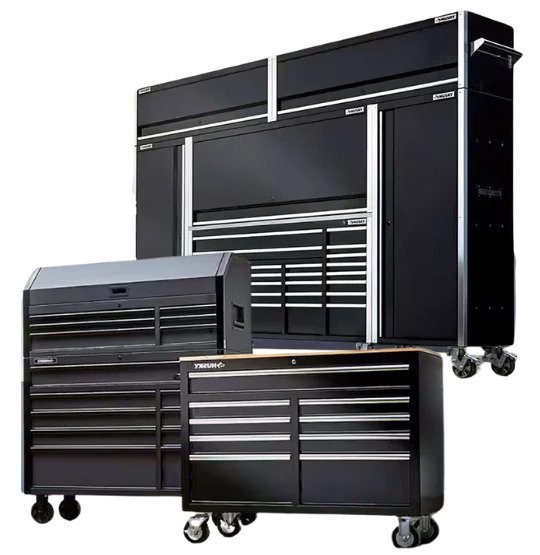
Pro Tips for Getting the Most Out of Your Husky Toolbox
For any DIYer, mechanic, or craftsperson, a toolbox is more than just a storage container—it’s the heart of the workspace. And when it comes to reliability, functionality, and durability, Husky toolboxes are a top contender. Built with rugged materials and thoughtful features, they keep tools secure, organized, and ready for action.
However, simply owning a Husky tool box isn’t enough—you need to set it up and use it strategically to maximize its potential. In this article, we’ll cover expert tips that will help you get the most out of your Husky toolbox so you can work faster, smarter, and more efficiently.
1. Choose the Right Husky Toolbox for Your Needs
Before you start filling drawers, ensure you’ve picked the best model for your workspace and style of projects.
- For mobile work: Go for a portable Husky toolbox with a sturdy handle and secure latches.
- For stationary workshops: A rolling Husky tool chest with ball-bearing drawers is ideal.
- For growing tool collections: Look into modular systems that can expand over time.
By starting with the right size and design, you’ll avoid overcrowding and create a more functional setup.
2. Sort and Categorize Your Tools
Organizing your tools in logical categories makes finding them quick and effortless. Group by type—screwdrivers together, wrenches in one drawer, power tools in another. You can also separate tools by task, such as electrical, plumbing, or woodworking. Husky’s multiple-drawer systems make it easy to dedicate specific spaces for each category.
3. Make Use of Drawer Liners and Dividers
Drawer liners keep your tools from sliding around, while dividers help create dedicated sections. Husky toolboxes often come with pre-cut liners, but if yours doesn’t, you can easily add them. This not only prevents damage to your tools and drawers but also keeps everything neat and in place, even if you’re moving the toolbox around.
Why Choose Husky Tools?
Before we dive into more tips, it’s worth asking: why should you choose Husky over other brands?
- Exceptional Durability: Husky toolboxes are built from high-quality steel or impact-resistant plastic, ensuring they can handle heavy daily use without bending or cracking.
- Professional-Grade Features: Many models include soft-close drawers, ball-bearing slides for smooth operation, integrated power strips for charging tools, and secure locking systems for safety.
- Value for Money: Compared to similar premium brands, Husky offers comparable durability and features at a more accessible price point.
- Versatility in Options: Whether you need a compact hand-carry box, a mid-size chest, or a massive rolling cabinet, Husky has a solution for every workspace.
When you choose Husky, you’re not just buying a toolbox—you’re investing in long-term efficiency, security, and convenience.
4. Arrange Tools by Frequency of Use
Place your most-used tools in the most accessible drawers—typically the top few for hand tools and mid-level drawers for mid-sized equipment. Less frequently used or bulky tools can be stored in lower drawers. This arrangement saves you from constant bending or searching, streamlining your workflow.
5. Label Your Drawers
A simple but powerful trick—labeling each drawer ensures tools always go back to their proper place. Use a label maker or durable stickers for a professional look. Clear labeling also helps others in your workspace locate tools without disrupting your system.
6. Maintain Your Toolbox Regularly
A well-kept toolbox lasts longer and works better. Wipe down the exterior regularly to remove dust and grime. Lubricate drawer slides annually for smooth operation. Check for any loose handles or worn-out liners, and replace them promptly to keep your setup in top shape.
7. Take Advantage of Built-In Features
Many Husky toolboxes come equipped with features designed for convenience:
- Power strips for charging batteries and tools directly in the toolbox.
- Pegboards or hooks on the sides for hanging quick-access items.
- Locking drawers for securing valuable tools.
Using these features to their fullest can make your workspace more efficient and clutter-free.
8. Avoid Overloading Drawers
While Husky toolboxes are built to handle significant weight, overstuffing drawers can lead to wear and damage over time. Follow the manufacturer’s weight capacity guidelines. Store heavier tools in lower drawers to prevent tipping and improve stability.
9. Customize Your Setup
Every DIYer works differently, so don’t hesitate to modify your toolbox. You can add foam cutouts for delicate tools, magnetic strips for small metal items, or portable bins for project-specific gear. Husky’s open design allows plenty of room for customization to fit your workflow.
10. Create a “Current Project” Drawer
If you often juggle multiple jobs, dedicate a drawer or small bin inside your Husky toolbox for tools and materials related to your active project. This way, you can grab everything in one go without hunting through your entire collection.
Final Thoughts
A Husky toolbox isn’t just storage—it’s an investment in your efficiency, organization, and productivity. By choosing the right model, organizing smartly, using its built-in features, and performing regular upkeep, you’ll get maximum value and performance out of your Husky toolbox for years to come.
The key is to treat your toolbox as an active part of your workflow rather than a passive container. When tools are neatly arranged, easily accessible, and well-protected, you’ll save time, reduce frustration, and enjoy your projects more. Whether you’re a weekend DIYer or a seasoned tradesperson, these pro tips will help you work smarter and keep your Husky toolbox—and your tools—in top shape.