The Complete Overview of Best Boxing Equipment and Fighting Sports Gear
Boxing is a sport that demands both strength and precision, requiring athletes to master their craft while staying protected. Whether you’re a beginner looking to start training or an experienced boxer preparing for a big fight, choosing the best boxing equipment and fighting sports gear is critical to your success.
In this article, we provide a complete overview of the essential gear every boxer needs, including tips on how to select the right equipment for your training and competitive needs.
1. Boxing Gloves: The Foundation of Your Gear
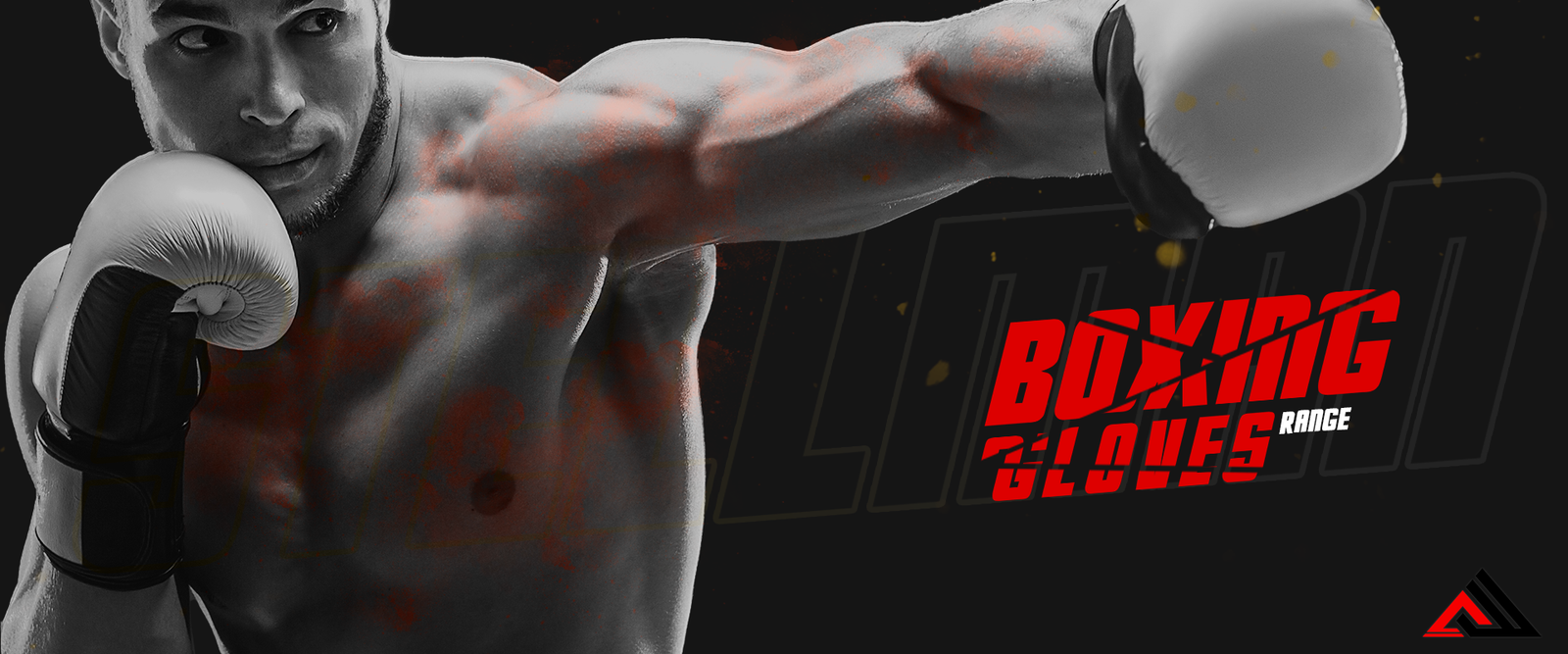
Boxing gloves are the most important piece of gear in your boxing kit. They protect your hands, wrists, and knuckles, preventing injuries during training and sparring. Whether you’re practicing on a punching bag or sparring with a partner, high-quality gloves offer both comfort and protection, which is crucial for long-term boxing health.
- Weight: Boxing gloves are available in various sizes, ranging from 8oz to 16oz. For sparring and training, gloves in the 12oz to 16oz range are most common, offering a good balance of protection and comfort.
- Material: Leather gloves tend to be more durable and comfortable, while synthetic options are generally more affordable.
- Fit: Gloves should fit snugly without being too tight. Look for gloves with adequate wrist support and a secure closure (Velcro or lace-up).
2. Hand Wraps: Protect Your Wrists and Knuckles
Hand wraps are a must-have for every boxer. They provide crucial support to your wrists, knuckles, and the muscles in your hands. Hand wraps protect the delicate bones and joints from the repeated impact of punches, which can cause injuries like sprains, fractures, or dislocations.
- Length: Hand wraps typically come in lengths of 120 inches to 180 inches. A longer wrap provides better coverage and support, especially for your wrists.
- Material: Cotton and elastic blends offer the best balance of comfort, flexibility, and support.
- Elasticity: Choose hand wraps that offer a bit of stretch to ensure a secure and snug fit.
3. Headgear: Safeguard Your Head During Sparring
Headgear is designed to protect your head and face during sparring. It helps absorb the impact of punches, reducing the risk of cuts, bruises, and serious head injuries, such as concussions. While headgear won’t protect you completely from injury, it significantly reduces the impact force.
- Fit: Headgear should be snug but not too tight. Adjustable straps ensure the right fit, keeping the gear in place during training.
- Padding: The padding around the forehead, cheeks, and chin is crucial for absorbing shock and providing protection.
- Visibility: Headgear should offer good visibility to help you maintain awareness of your opponent’s movements during sparring.
4. Mouthguard: Protect Your Teeth and Jaw
A mouthguard is necessary for safeguarding your teeth, gums, and jaw during boxing. It absorbs impact to prevent serious dental injuries, tooth fractures, or even jaw dislocations. While it may seem like a small piece of equipment, it plays a vital role in your overall safety.
- Fit: A mouthguard should fit comfortably over your teeth without causing discomfort or shifting during sparring. Custom-fit mouthguards are the best option, but boil-and-bite varieties are also effective.
- Material: Look for mouthguards made from durable and high-impact materials like EVA (Ethylene Vinyl Acetate) for long-lasting protection.
- Comfort: Make sure your mouthguard doesn’t feel bulky and allows for easy breathing and talking.
5. Boxing Shoes: Speed, Agility, and Support
Boxing shoes are lightweight, supportive footwear designed specifically for movement in the ring. They provide the grip and flexibility needed to quickly pivot, step, and change direction while maintaining ankle stability. The right pair of boxing shoes can make a significant difference in your performance, as they allow for smooth, quick movements.
- Grip: A solid grip on the soles of boxing shoes is essential to prevent slipping and ensure quick footwork.
- Support: Boxing shoes should offer ankle support to reduce the risk of injuries like sprains.
- Breathability: Choose shoes made from breathable materials to keep your feet cool and dry during intense training.
6. Punching Bags: Power, Technique, and Endurance Training
Punching bags are an integral part of any boxer’s training routine. They allow boxers to work on their punching power, improve their technique, and enhance endurance. Whether you’re using a heavy bag, speed bag, or double-end bag, each type of bag serves a specific training purpose.
- Material: Leather punching bags tend to be more durable and offer a more natural feel, while synthetic materials are more affordable and still effective.
- Weight: Heavy bags are ideal for building strength and power, while lighter bags are good for improving speed and reflexes.
- Size: Choose a bag that’s proportional to your height and strength. A bag that’s too light or too heavy can negatively affect your training.
7. Jump Rope: Agility, Speed, and Stamina
Jump rope training is a fundamental exercise for boxers, enhancing cardiovascular fitness, footwork, and overall coordination. Jumping rope helps develop your stamina and timing, both of which are essential for a long fight.
- Length: Choose a jump rope that is the right length for your height. A rope that reaches your armpits when standing on the center is ideal.
- Grip: The handles should feel comfortable and non-slip to ensure control while jumping.
- Durability: Look for a durable rope that can withstand the rigors of regular use without fraying or breaking.
8. Boxing Shorts and Apparel: Flexibility and Comfort
Comfortable, flexible clothing is crucial when training in the gym or competing in the ring. Boxing shorts and apparel should be lightweight and allow for a full range of motion. Clothing that fits properly and wicks away moisture can help you stay comfortable and focused throughout your workouts.
- Breathability: Look for moisture-wicking fabrics to keep sweat off your skin and help regulate body temperature.
- Fit: Boxing shorts should fit comfortably without restricting movement. Look for shorts that are loose enough around the thighs and waist for optimal mobility.
- Flexibility: Apparel should allow for quick, fluid movements, especially in your arms, legs, and torso.
9. Protective Gear: Shields and Cups
For extra protection, consider additional gear such as groin protectors and shin guards. These are especially important for sparring or full-contact training to prevent injury in vulnerable areas.
- Groin Protector: Make sure the cup fits snugly and comfortably, providing the necessary protection during intense sparring or competition.
- Shin Guards: Look for lightweight shin guards that offer enough padding to reduce the risk of bruising or injury.
Conclusion:
Having the best boxing equipment and fighting sports gear is crucial for both safety and performance. From boxing gloves to punching bags, each piece of gear plays an essential role in your training, helping you build strength, improve technique, and protect yourself in the ring. Whether you’re training for fitness or preparing for a fight, investing in high-quality, durable equipment is essential to reaching your boxing goals. Choose gear that fits your needs, supports your training goals, and keeps you safe throughout your journey.