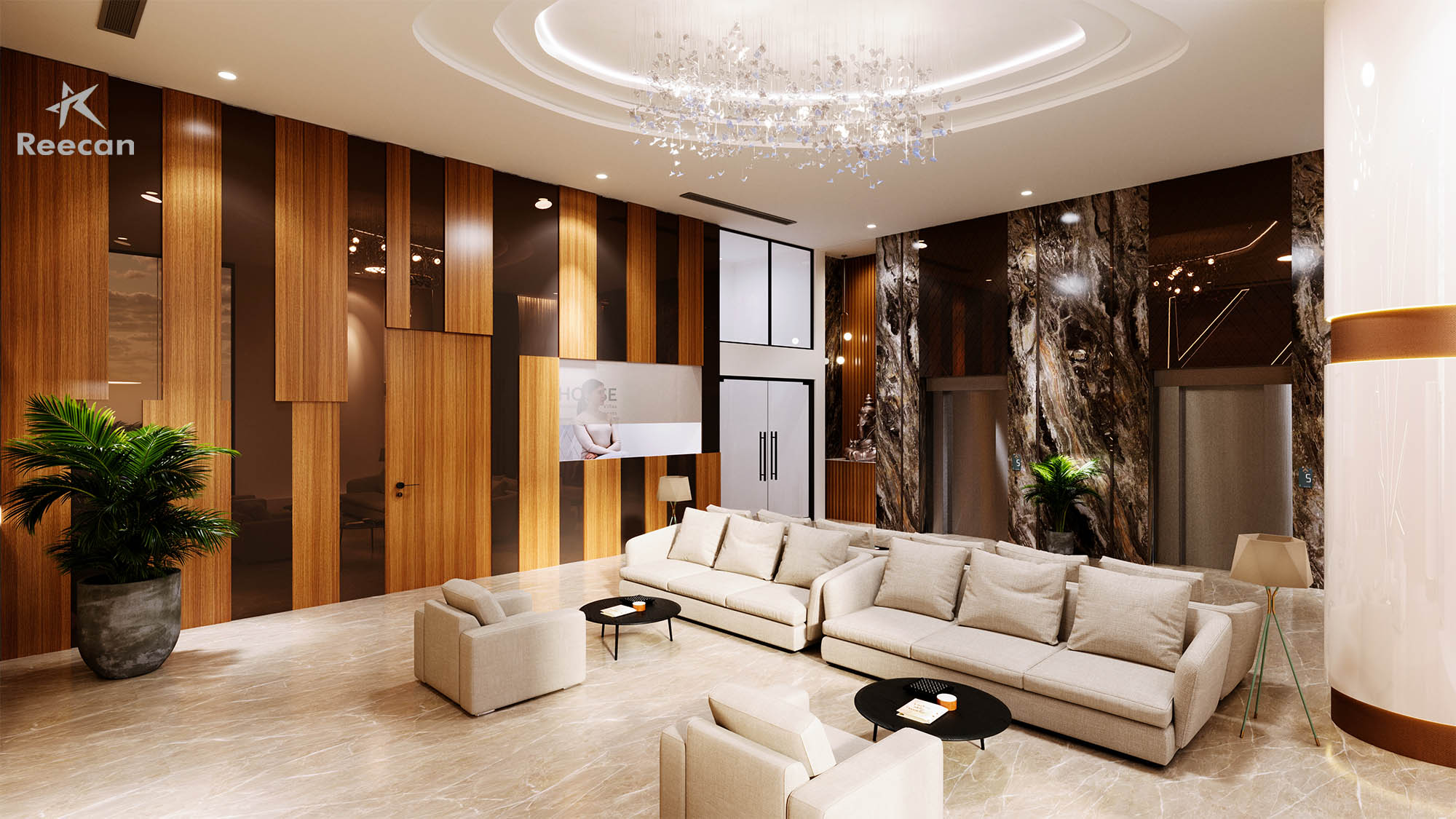
Transform Your Business: The Ultimate Guide to Hiring a Commercial Interior Designer
Imagine walking into a business space that instantly feels right. It makes customers feel welcome. It helps employees do their best work. A well-designed commercial space does more than just look good; it acts as a silent salesperson and a powerful tool for your brand. It shapes how customers see your company and directly impacts how productive and happy your team is every single day.
That’s where a professional commercial interior designers comes in. Think of them as a key strategic partner, not simply someone who picks out pretty colors. Their deep understanding goes far beyond just aesthetics. They combine your vision with practical needs, focusing on functionality, sticking to your budget, and perfectly blending the design with your company’s unique brand.
Why Invest in Professional Commercial Interior Design?
Investing in expert commercial interior design offers clear advantages. It sets your business apart, making a lasting impression on everyone who steps inside. This focus on thoughtful design pays off in many ways, from stronger brand ties to a more efficient bottom line.
Enhancing Brand Identity and Customer Experience
Good design visually tells your company’s story. It communicates your brand values and mission without saying a word. A smart commercial interior designer creates spaces that offer a memorable journey for your customers, making them want to come back.
Aligning Space with Brand Messaging
Every color choice, material selection, and furniture style helps reinforce your brand identity. The layout of your office or retail space acts as a physical extension of your company. A designer makes sure your space feels authentic to who you are.
Creating Welcoming and Functional Client Spaces
First impressions matter a lot. Reception areas, meeting rooms, and client lounges can be designed to impress visitors from the moment they arrive. These thoughtfully planned spaces help make business interactions smoother and more pleasant.
Boosting Employee Productivity and Well-being
Your physical workspace greatly affects how your employees feel and perform. A well-designed commercial interior can directly boost morale, increase employee engagement, and improve overall output. A better environment leads to better work.
Optimizing Workplace Layout and Flow
A skilled commercial interior designer carefully plans the layout of your office. They decide if open-plan areas or private offices make more sense for your team. They also create collaboration zones and ensure easy movement throughout the space. Many designs even use “biophilic design,” bringing natural elements indoors to boost well-being.
Designing for Comfort and Ergonomics
Comfortable employees are more productive. Designers choose furniture that supports good posture and reduces physical strain. They also manage lighting, sound, and temperature to create a comfortable and focused work environment. These details make a big difference in daily comfort.
Maximizing Space Efficiency and ROI
You want every square foot of your business space to work hard for you. A commercial interior designer excels at making the most of available square footage. They ensure that your investments in furniture and fixtures are strategic, giving you the best return on your money.
Strategic Space Planning and Zoning
Designers are experts at identifying areas that aren’t being used well. They create specific functional zones for different types of work activities. This smart planning helps your business operate more smoothly and efficiently.
Selecting Durable and Cost-Effective Materials
Choosing the right materials is key for long-term value. Designers help you pick high-quality, low-maintenance options that stand up to daily use. Investing in durable materials upfront often leads to a lower total cost of ownership over time.
The Process of Working with a Commercial Interior Designer
Working with a commercial interior designer is a structured journey. It starts with understanding your needs and ends with a fully transformed space. This process ensures your vision becomes a reality, piece by piece.
Initial Consultation and Brief Development
The first steps are crucial for building a strong working relationship. This phase sets the foundation for the entire project. You and your designer will openly discuss your ideas and requirements.
Defining Project Goals and Vision
Your designer will work closely with you to understand your core business objectives. They’ll ask about your target audience and the desired atmosphere for your commercial space. This helps them truly grasp your vision before any design work begins.
Budgeting and Timeline Establishment
Open communication about financial constraints and project deadlines is very important. Designers help set realistic budgets and timelines from the start. This clarity prevents surprises and keeps the project on track.
Design Development and Approval
This is where creative ideas take shape. You’ll be actively involved in reviewing and approving the design direction. It’s an exciting part of the process where possibilities become clear.
Concept Creation and Mood Boards
Designers often present initial ideas through visual aids like mood boards. These boards showcase color palettes, material samples, and imagery that capture the overall feel of the proposed design. They give you a clear sense of the artistic direction.
Space Planning, Material Selections, and 3D Renderings
Once the concept is approved, designers dive into the technical details. They create precise floor plans and select specific materials. Many even provide realistic 3D renderings, allowing you to visualize your future space before construction begins.
Procurement, Project Management, and Installation
This phase brings the design vision to life. The designer takes charge of sourcing items and overseeing the work. Their involvement ensures everything comes together as planned.
Sourcing Furniture, Fixtures, and Equipment (FF&E)
Commercial interior designers have access to a wide network of trade resources. They can source furniture, fixtures, and equipment (FF&E) that match your design and budget. They often negotiate pricing, passing savings on to you.
Overseeing Construction and Installation
During construction and installation, the designer plays a vital role in supervision. They work closely with contractors and vendors. This oversight ensures that the design integrity is maintained and the quality of execution meets high standards.
Key Considerations When Choosing a Commercial Interior Designer
Selecting the right commercial interior designer is a big decision. Thinking about these key points will help you find the perfect partner for your project. Your choice can make all the difference in the final outcome.
Experience and Specialization
It’s smart to pick designers with proven experience in projects similar to yours. Their past work speaks volumes about their skills and capabilities. Look for someone who has faced challenges like yours before.
Portfolio Review and Past Projects
Always ask to see a designer’s portfolio. Look for projects that align with your industry or the type of space you need. Pay attention to their style and whether it matches your company’s aesthetic preferences.
Industry-Specific Expertise (e.g., Hospitality, Healthcare, Office)
Some designers specialize in certain industries, like hospitality, healthcare, or office spaces. Their specialized knowledge means they understand the unique regulations and functional needs of your specific business. This expertise can be incredibly beneficial.
Communication and Collaboration Style
A good working relationship with your designer is essential for success. You’ll be working closely together, so clear communication is a must. A collaborative spirit ensures your voice is heard throughout the process.
Understanding Their Design Process
Ask designers to explain their process. Do they provide regular updates? How do they involve clients in decisions? A transparent process means fewer surprises and a smoother project flow.
Client Testimonials and References
Don’t hesitate to ask for client testimonials or references. Hearing from past clients can give you a clear picture of a designer’s reliability, professionalism, and how satisfied their previous customers were with their work.
Understanding Fees and Contracts
Before you commit, make sure you clearly understand the financial aspects of hiring a designer. Clarity on fees and contracts prevents misunderstandings down the line. It ensures both parties are on the same page.
Fee Structures (Hourly, Flat Fee, Percentage)
Commercial interior designers typically use different fee structures. Some charge an hourly rate, while others might propose a flat fee for the entire project. Sometimes, fees are a percentage of the total project cost. Discuss which model works best for your project.
Contract Review and Scope of Work
Always review the contract thoroughly. It should clearly outline the scope of work, including all deliverables and responsibilities for both parties. A detailed contract protects everyone involved and sets clear expectations.
Real-World Impact: Case Studies and Expert Insights
Great design isn’t just about looking good; it delivers real business results. These examples show how professional commercial interior designers transform spaces and boost success. You’ll see the power of thoughtful design in action.
Innovative Office Space
A rapidly growing tech startup, “Synergy Tech,” faced a common problem: their office felt cramped and uninspiring. Employees lacked proper collaborative areas, and the overall atmosphere did not reflect their innovative brand. The space felt more like a hallway than a hub for creativity.
Challenges and Solutions
The main challenge was to create a dynamic, flexible workspace within a limited footprint. Their commercial interior designer proposed an open-plan layout combined with strategically placed acoustic pods for focused work. They integrated natural light with glass partitions and used vibrant brand colors to energize the space. New collaboration zones with comfortable seating encouraged team interaction.
Measurable Results
Within six months of the redesign, Synergy Tech reported a 15% increase in cross-departmental collaboration. Employee surveys showed a significant boost in morale and satisfaction, with a 10% drop in reported stress levels. The vibrant new office also became a powerful tool for attracting top talent, making recruitment easier.
Engaging Retail Environment
“Bloom & Branch,” a local flower and gift boutique, struggled with dated decor and a confusing store layout. Customers found it hard to navigate, and the space didn’t showcase their beautiful products effectively. Sales were stagnant.
Creating a Unique Customer Experience
The commercial interior designer focused on creating a whimsical, yet intuitive, customer journey. They designed clear pathways using different flooring textures and strategically placed display tables. Custom shelving highlighted key products, and soft, natural lighting made the flowers truly pop. An interactive workshop area was added, inviting customers to linger and engage.
Impact on Sales or Customer Retention
Following the redesign, Bloom & Branch saw a 25% increase in average transaction value within the first three months. Customer testimonials praised the “enchanting” atmosphere, and the store noticed a significant rise in repeat visits. The new design transformed the boutique into a popular community hub.
Expert Quote/Reference
“A commercial space is more than just walls and furniture,” says Amelia Chen, a leading commercial interior designer. “It’s a strategic asset. When designed with purpose, it can enhance your brand, empower your team, and directly contribute to your bottom line. It’s about creating an experience that resonates long after someone leaves.”
Conclusion
Investing in professional Co-working Interior Designer offers a clear strategic advantage. It truly elevates your brand, boosts employee productivity, and maximizes your operational efficiency. A well-designed space is a powerful tool, reflecting your company’s values and supporting its goals.