Are Full Mouth Dental Implants Truly a Permanent Solution?
Tooth loss affects not only how we eat and speak but also how we feel about ourselves. For many individuals who’ve experienced extensive tooth loss, full mouth dental implants represent a modern alternative to dentures promising durability, comfort, and function. But just how long-lasting is this option? Is it truly a permanent solution?This blog offers a comprehensive breakdown of full mouth dental implants, helping you decide whether they are the right long-term fit for your needs.
Understanding Full Mouth Dental Implants
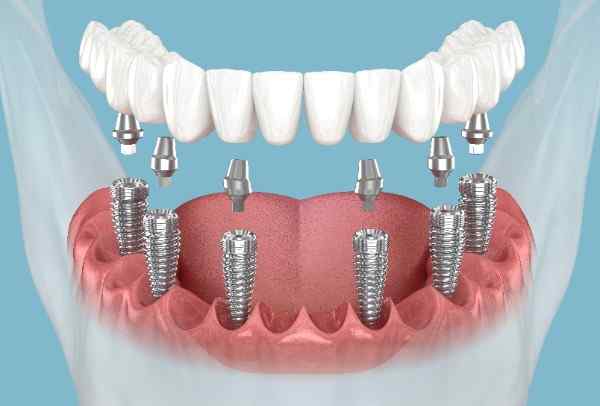
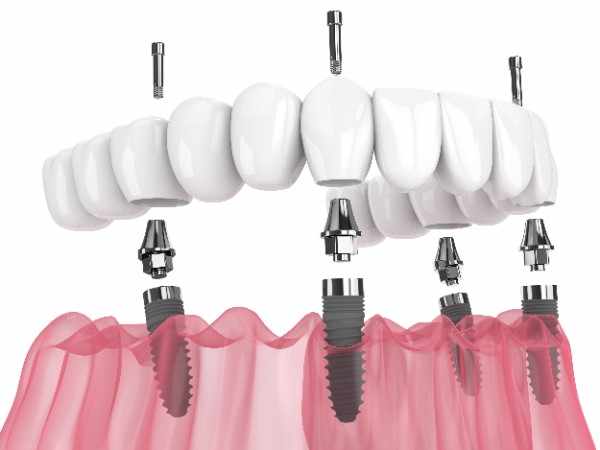
Full mouth dental implants are designed to replace an entire arch of missing teeth. Unlike removable dentures, this solution is fixed in the jawbone using titanium or zirconia posts, offering a sturdy foundation for a full set of prosthetic teeth.
Benefits of Full Mouth Implants
- Improved chewing strength
- Natural-looking aesthetics
- Better speech clarity
- No slipping or clicking sounds
- Bone preservation
In clinical practice, this option often proves more reliable than traditional alternatives. For patients seeing an emergency dentist in Aberdeen, dental implants offer a long-term solution after traumatic tooth loss or multiple extractions.
What Makes a Dental Implant “Permanent”?
Definition of Permanency in Dentistry
In dental terms, “permanent” does not always mean lifelong without maintenance. It means that the treatment is intended to last indefinitely with proper care, unlike temporary or removable options.
Dental implants are considered one of the most long-lasting treatments in restorative dentistry. However, several factors influence whether they can truly last a lifetime.
Factors That Affect Implant Longevity
1. Material Quality
Most implants are made from medical-grade titanium or ceramic, both of which are biocompatible and resistant to corrosion.
| Material | Features |
| Titanium | Long-lasting, strong, bone-friendly |
| Zirconia | Metal-free, aesthetic, corrosion-free |
Both options perform well, but titanium is more commonly used due to its track record in osseointegration (bone bonding).
2. Oral Hygiene Practices
Poor oral care increases the risk of peri-implantitis, an inflammatory condition that can cause implant failure. Daily brushing, flossing, and regular check-ups are essential.
3. Smoking and Alcohol Use
Tobacco and heavy alcohol consumption impair healing and weaken the bone structure supporting the implant.
4. Bone Density and Structure
Successful implant placement depends on the quality and quantity of jawbone. In some cases, bone grafting may be needed before implantation.
5. General Health
Conditions like diabetes, osteoporosis, and autoimmune diseases can affect the body’s ability to heal and maintain osseointegrated implants.
Implant Systems for Full Mouth Solutions
Various implant-supported systems can be used depending on the patient’s requirements:
| Type | Number of Implants | Features |
| All-on-4 | 4 per arch | Angled placement, less bone required |
| All-on-6 | 6 per arch | Greater stability and weight distribution |
| Zygomatic Implants | 4–6 per arch | Anchored into cheekbone for severe cases |
These systems are usually recommended by specialists who work closely with both cosmetic experts and emergency providers such as an emergency dentist in Aberdeen, especially in cases of trauma or advanced tooth loss.
Are They Really Permanent?
Longevity Stats
- Implant posts: 25 years to life, with many lasting indefinitely
- Prosthetic teeth (bridge/denture part): 10–15 years before possible replacement
Implants themselves, when integrated successfully, do not typically need replacement. However, the attached crowns or bridges may require occasional refurbishment due to wear and tear.
Maintenance Requirements
To keep implants functioning optimally:
- Brush twice daily with a non-abrasive toothpaste
- Use a water flosser or implant-specific floss
- Avoid biting hard items like ice or pen tips
- Schedule routine dental checks every 6 months
This care is essential, whether you’ve received implants as part of cosmetic treatment or via an emergency dentist in Aberdeen.
Comparison with Other Tooth Replacement Options
| Treatment | Removability | Longevity | Maintenance |
| Full Dentures | Removable | 5–8 years | Frequent adjustments |
| Implant Dentures | Fixed | 15–20 years | Moderate |
| Full Implants | Fixed | 25+ years | Low–Moderate |
This table highlights why many patients choose dental implant Aberdeen services when seeking a lasting replacement that avoids the hassle of daily removal and adhesive use.
Risks and Complications
While generally safe, full mouth dental implants come with potential risks:
- Infection or inflammation around the implant
- Bone loss due to poor integration
- Nerve damage in rare instances
- Implant failure, particularly in patients with unmanaged systemic health issues
These complications can often be prevented through early screening, planning, and postoperative care.
Who is a Suitable Candidate?
The ideal candidate for full mouth dental implants:
- Is in good general health
- Has sufficient bone volume or is willing to undergo grafting
- Maintains good oral hygiene
- Is a non-smoker or willing to stop
- Has realistic expectations about healing time and investment
It’s important to consult with a qualified provider offering dental implant Aberdeen services to evaluate your personal case.
Cost vs. Longevity: Is It Worth It?
Full mouth implants are a significant investment, but when considered over the long term, they may prove more cost-effective than repeated denture replacements or ongoing treatments.

Final Verdict: Are They Truly Permanent?
While no dental treatment can be guaranteed to last an entire lifetime without maintenance, full mouth dental implants come exceptionally close. With proper care, they can remain in place for decades after the remainder of the patient’s life.
This durability, combined with comfort and functionality, makes them one of the most reliable solutions available today.
Conclusion
Full mouth dental implants offer a long-term, stable, and aesthetically pleasing alternative to dentures. While not entirely free from maintenance, their core structure is designed to last. For anyone facing complete tooth loss, especially in emergency situations, a consultation with a qualified emergency dentist in Aberdeen could be the first step towards reclaiming both function and confidence. At EDA, we prioritise comprehensive care, guiding our patients from consultation through placement to aftercare. Whether you require urgent assistance or a structured plan through a dental implant Aberdeen service, we are committed to restoring your smile with precision and professionalism.