

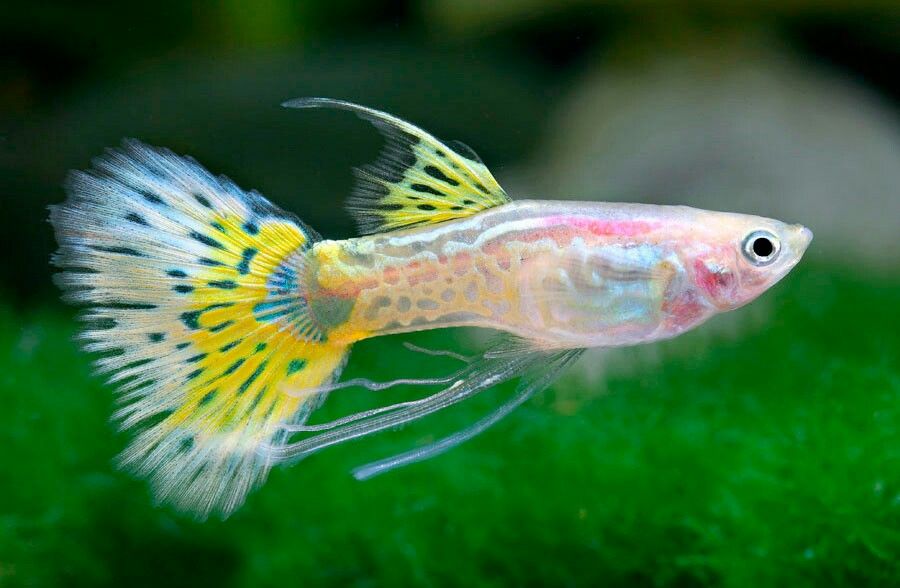
Tropical Fish Care Guide A Colorful World of Aquatic Life
Tropical Fish Care Guide
Tropical fish have captivated aquarium enthusiasts for generations. Known for their vivid colors, unique patterns, and fascinating behaviors, tropical fish bring a vibrant energy to any freshwater or saltwater tank. Whether you’re a seasoned aquarist or a beginner setting up your first aquarium, tropical fish offer an exciting and visually appealing way to explore aquatic life.
Tropical fish come in many shapes, sizes, and species, each with its own needs and temperament. They are popular in home aquariums because of their striking appearance and the therapeutic calmness they bring. With proper care, tropical fish can thrive and live healthy, beautiful lives, turning your tank into a living piece of art.
Why Choose Tropical Fish for Your Aquarium?
Tropical fish are more than just decorative pets. These stunning aquatic creatures contribute to the calming ambiance of any space, making them a favorite for home and office setups alike. From neon tetras and guppies to angelfish and bettas, tropical fish bring diversity and personality to the underwater environment.
One of the biggest attractions of tropical fish is their wide variety. Their vibrant hues, flowing fins, and interesting interactions create a dynamic scene that can be both entertaining and educational. Observing tropical fish can also help reduce stress and improve mood, offering mental health benefits along with aesthetic value.
Setting Up a Healthy Home for Tropical Fish
Caring for tropical fish starts with a proper tank setup. Unlike cold-water species, tropical fish need a specific environment to thrive, including stable water temperatures, quality filtration, and appropriate lighting. Most tropical fish prefer water temperatures between 75°F and 80°F, making a reliable aquarium heater essential.
Choosing the right tank size is crucial. Overcrowding can stress tropical fish and lead to disease, so it’s important to provide ample space based on the type and number of fish you plan to keep. Add plenty of plants, rocks, and hiding spots to mimic their natural habitat and help reduce stress.
Water quality is another key element. Regular testing for pH, ammonia, nitrite, and nitrate levels is important to ensure a safe and stable environment. Clean your tank routinely and change a portion of the water weekly to keep conditions ideal for your tropical fish.
Feeding Your Tropical Fish the Right Way
Feeding tropical fish the right diet is vital to their health and coloration. Tropical fish require a balanced mix of protein, vitamins, and minerals. Flakes and pellets formulated for tropical fish are great for daily feeding, but supplementing with frozen or live food like brine shrimp and bloodworms adds variety and nutrition.
Overfeeding is a common mistake. Feed tropical fish only what they can eat within a few minutes, once or twice a day. Uneaten food can foul the water and harm your fish. Monitor their appetite and activity to ensure they are healthy and thriving.
Popular Types of Tropical Fish for Beginners
If you’re new to the world of tropical fish, starting with hardy species is a smart choice. Some beginner-friendly tropical fish include:
- Guppies: Colorful, active, and easy to breed.
- Tetras: Schooling fish that do well in groups and are peaceful.
- Zebra Danios: Fast swimmers that adapt to various conditions.
- Mollies and Platies: Easygoing and come in many color varieties.
- Corydoras Catfish: Bottom dwellers that help keep tanks clean.
These species are not only beautiful but also easier to care for, making them perfect for those learning the ropes of tropical fishkeeping.
Maintaining Long-Term Tropical Fish Health
Tropical fish can live for several years with the right care. Avoid sudden changes in water temperature or chemistry, as tropical fish are sensitive to their environment. Quarantine new fish before adding them to your main tank to prevent the spread of disease.
Keep a close eye on signs of illness such as faded color, erratic swimming, or changes in appetite. Early detection and treatment are key to keeping your tropical fish healthy.
Lighting should mimic natural day-night cycles. Use a timer to provide 8–12 hours of light per day, and avoid placing the tank in direct sunlight to prevent algae overgrowth.
Final Thoughts
Tropical fish are a delightful addition to any aquarium, offering beauty, movement, and a sense of tranquility. Whether you’re building a lush aquascape or keeping a few colorful swimmers, the rewards of caring for tropical fish are plenty. Their needs are simple but require consistency and attention.
With the right tank conditions, proper diet, and routine maintenance, your tropical fish can flourish and brighten your days. Whether you’re in it for the relaxing visuals or the fascinating behavior of aquatic life, tropical fish are a hobby worth diving into.
For more expert tips and supplies for tropical fish, visit Talkfishy your go-to destination for everything tropical fish lovers need.
