

How Ceiling Water Damage in Brooklyn Affects Your Home’s Value
Living in Brooklyn, where aging brownstones and apartment buildings are a staple, property owners and residents often encounter a common headache: ceiling water damage. It’s tempting to dismiss a minor stain or a small bulge as a harmless blemish, but beneath the surface, far more serious issues may be brewing. Ignoring the need to replace a ceiling affected by water can have consequences that go far beyond aesthetics.
Unseen Dangers: The Ripple Effect of Neglected Water Damage
At first glance, a water-stained ceiling might appear as nothing more than an unsightly mark. However, water infiltration is rarely static. As moisture seeps through the layers of drywall, plaster, or ceiling tiles, it quietly erodes the structural integrity of your ceiling. Over time, what was once a small inconvenience can morph into a major safety hazard.
In Brooklyn’s humid summers and frigid winters, fluctuating temperatures can speed up the deterioration process. Moisture trapped inside the ceiling provides a perfect breeding ground for mold and bacteria, which can rapidly colonize unseen areas. This silent invasion doesn’t just threaten your property; it puts your health at risk.
The Cost of Procrastination: Health, Safety, and Money
| Potential Consequence | Description | Impact |
|---|---|---|
| Structural Weakening | Water weakens beams, joists, and ceiling panels, risking partial or total collapse. | Major safety hazard |
| Mold Growth | Moisture encourages rapid proliferation of toxic mold species. | Respiratory issues, allergies, and health complications |
| Electrical Risks | Water can infiltrate wiring and fixtures, increasing fire and shock hazards. | Fire risk, expensive electrical repairs |
| Declining Property Value | Visible water damage and mold reduce your home’s market appeal and value. | Lower resale price, harder to sell or rent |
| Escalating Repair Costs | Delaying repairs allows damage to spread and worsen. | Significantly higher repair bills |
How Does Ceiling Water Damage Progress?
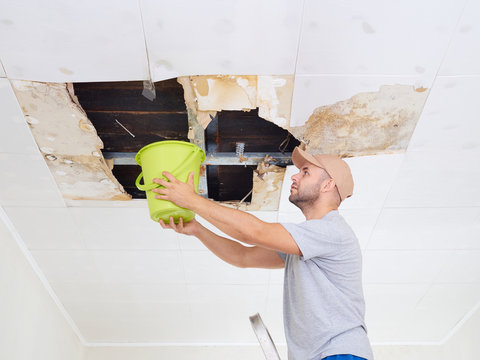
When water infiltrates your ceiling—whether from a leaky roof, burst pipe, or upstairs neighbor’s mishap—the effects unfold in stages. Initially, you may notice discoloration or a faint musty odor. Over a few weeks, paint may blister, and the ceiling material may begin to bulge or sag. If left untreated, the affected area can become saturated, ultimately leading to collapse.
In the meantime, hidden colonies of mold flourish within the dark, moist voids above your living space. Mold spores, released into the air, can trigger asthma, allergies, and other respiratory ailments. In the context of Brooklyn’s densely populated neighborhoods, these health risks can be particularly concerning—especially for children, the elderly, and those with compromised immune systems.
Why Immediate Replacement Matters
Swiftly addressing ceiling water damage is the best defense against these escalating problems. Replacement doesn’t just restore your home’s appearance—it reestablishes safety, prevents further water intrusion, and eliminates hazardous mold. Moreover, it sends a clear message to buyers or tenants that your property is well maintained.
The chart below outlines typical costs for professional ceiling water damage repair and replacement in Brooklyn, depending on the severity of the issue.
| Damage Severity | Repair/Replacement Scope | Average Cost Range (Brooklyn) |
|---|---|---|
| Minor (stains, no mold) | Surface cleaning, repainting | $200 – $600 |
| Moderate (paint damage, small mold patches) | Partial ceiling panel replacement, mold remediation | $800 – $1,800 |
| Severe (sagging, large mold areas, structural issues) | Full ceiling replacement, advanced mold & structural repair | $2,500 – $7,000+ |
Frequently Asked Questions
Can I just paint over ceiling water damage?
Painting over water stains may temporarily hide the blemish, but it does not address the root problem. Moisture and mold will eventually resurface, often making the damage worse and repairs costlier in the long run.
How quickly does mold grow after water damage?
Mold can begin growing within 24-48 hours of water exposure. Prompt action is vital to prevent extensive contamination and minimize health risks.
Is ceiling water damage always visible?
Not always. Sometimes, the first signs are subtle—such as a faint odor or a slight change in texture. Regular inspections, especially after leaks or storms, are essential for early detection.
How can I prevent ceiling water damage in the future?
Keep roofs and plumbing systems well maintained, promptly repair leaks, and use moisture-resistant materials where possible. In Brooklyn’s older homes, routine professional inspections are highly recommended.
Will my insurance cover ceiling water damage?
Coverage varies by policy and cause. Sudden, accidental leaks are usually covered, while gradual damage or neglect may be excluded. Review your policy or consult your insurer for guidance.
Conclusion
In Brooklyn, ignoring ceiling water damage is a risky move. A small flaw can quickly grow into a serious risk that compromises your safety, health, and financial security. In addition to protecting your property, prompt replacement and repair also guarantee a cozy and healthy living space. Address ceiling water damage as soon as possible to preserve your peace of mind and the value of your house. Don’t wait for the damage to worsen.
Read more : Brooklyn Water Damage Restoration
