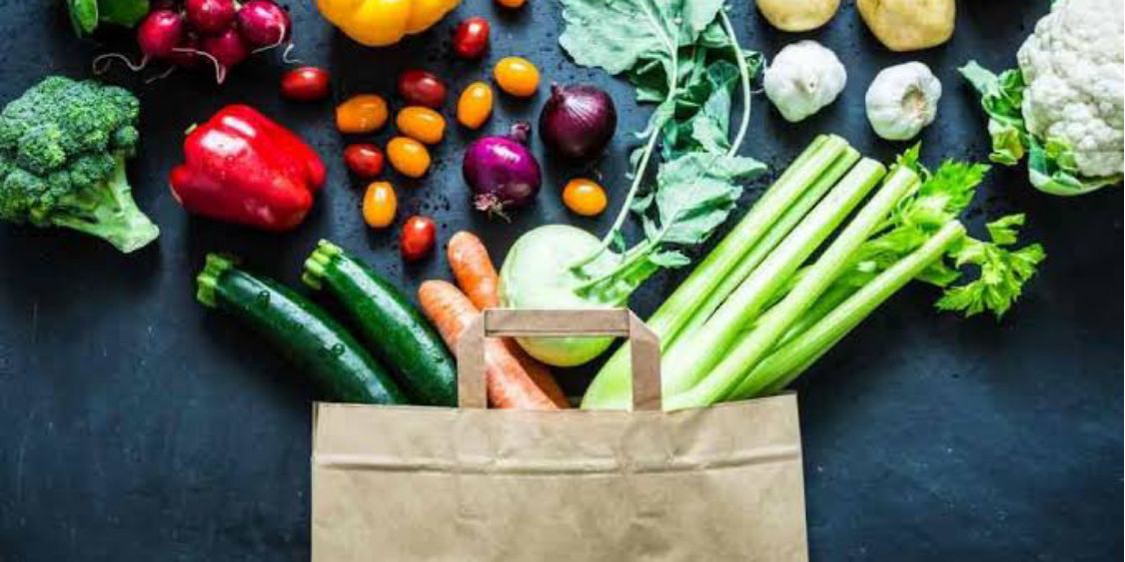
The Rise of Organic Foods: A Healthier Path to Better Living
Introduction to Organic Foods
In recent years, the popularity of organic foods has grown significantly as people become more health-conscious and environmentally aware. These foods are produced using natural farming methods, free from harmful pesticides, synthetic fertilizers, GMOs, and chemical preservatives. Choosing organic is not just a trend—it’s a lifestyle choice for millions around the world who seek cleaner nutrition and sustainable agriculture. In countries like Pakistan, where health issues linked to diet are rising, awareness about organic foods is more important than ever.
What Makes Organic Foods Different?
Unlike conventional farming, organic agriculture relies on natural processes to grow and harvest food. This includes crop rotation, composting, and using natural predators to manage pests. This method ensures that organic foods are not only healthier but also environmentally friendly. Fruits, vegetables, grains, and even dairy and meat labeled as organic are free from chemicals that could harm human health in the long run. Organic certification standards also ensure high levels of animal welfare, soil health, and biodiversity.
Health Benefits of Choosing Organic
Many people switch to organic foods because of their health benefits. These foods are often fresher because they don’t contain preservatives that extend shelf life. Research suggests that organic produce contains more antioxidants, vitamins, and essential nutrients compared to non-organic alternatives. Moreover, consuming organic foods reduces your exposure to toxic chemicals, antibiotics, and artificial hormones, which are commonly found in conventionally grown food.
In Pakistan, where lifestyle diseases are becoming more common, incorporating organic foods into the diet can play a crucial role in improving public health. For example, organic fruits and vegetables can help manage blood pressure, reduce obesity, and improve digestive health.
The Environmental Impact of Organic Farming
The benefits of organic foods go beyond personal health. Organic farming plays a vital role in protecting the environment. By avoiding synthetic pesticides and fertilizers, organic agriculture helps keep water sources clean and prevents soil degradation. It also encourages the use of renewable resources and supports biodiversity. As climate change becomes a major concern globally, supporting organic farming can contribute to a more sustainable future.
Organic Trends and Market Growth in Pakistan
In Pakistan, the demand for organic foods is steadily increasing. More consumers are now visiting organic markets and buying directly from local farmers who follow organic practices. Urban areas such as Karachi, Lahore, and Islamabad are seeing a surge in organic stores and online platforms offering a variety of organic products—from fresh produce to organic honey and grains.
The government and private sectors are also encouraging farmers to shift to organic farming. This shift not only promises better income for farmers but also ensures a healthier future for consumers. One noticeable trend is the rise in demand for organic herbal supplements such as shilajit, which is often consumed for its numerous health benefits. For those looking to purchase such items, understanding the shilajit price in Pakistan is essential, as the cost can vary depending on purity and sourcing.
Organic Foods and Lifestyle Choices
Switching to organic foods isn’t just about what you eat—it’s about adopting a healthier lifestyle. Organic living often involves making more mindful choices about how we consume, recycle, and care for our bodies and the planet. People who focus on organic foods tend to also be conscious about other health-related decisions, including exercise, hydration, and natural medicine.
Products like shilajit have become part of this lifestyle, especially among those looking to enhance energy, immunity, and stamina naturally. When evaluating wellness supplements, always check product quality and authenticity—especially when comparing the shilajit price in Pakistan, which can vary widely across brands and platforms.
Challenges in Accessing Organic Foods
Despite the growing awareness, there are still challenges in accessing organic foods in many regions of Pakistan. One of the main concerns is the cost. Organic items are often priced higher than conventional products due to the labor-intensive nature of organic farming. Moreover, a lack of proper certification and regulation in some local markets makes it difficult for consumers to trust that what they are buying is truly organic.
Another issue is limited availability in rural areas, where people are more likely to rely on conventional food sources. However, as demand increases and organic farming becomes more widespread, it’s expected that prices will become more competitive and availability will improve across the country.
Final Thoughts: A Sustainable Future with Organic Foods
The shift toward organic foods reflects a broader global movement toward healthier, more conscious living. Whether you are choosing pesticide-free vegetables, hormone-free dairy, or naturally sourced supplements like shilajit, your choices directly impact your health and the environment. In Pakistan, as more people explore the benefits of going organic, awareness will continue to rise—and with it, the quality of life.
For those curious about natural health boosters, comparing the shilajit price in Pakistan across trusted platforms can help ensure you’re making a wise investment in both quality and health.