


Air Conditioning Maintenance Tips to Keep Your System Running Efficiently
Is your energy bill creeping up despite using your air conditioning the same as always? Have you noticed your split system air conditioner taking longer to cool your home? Are you wondering whether your reverse cycle air con is running as efficiently as it should? If you’ve answered yes to any of these questions, you’re not alone – and you’ve come to the right place.
Keeping your air conditioning system in tip-top shape isn’t just about comfort; it’s about saving money, extending your system’s lifespan, and maintaining a healthy home environment. Whether you have a reverse cycle air conditioner, split system air conditioning, or ducted heating and cooling systems, regular maintenance is the key to optimal performance.
In this guide, we’ll explore everything you need to know about maintaining your cooling and heating systems effectively. From simple DIY tasks you can tackle this weekend to knowing when it’s time to call in the professionals, we’ll cover all the essentials. You’ll learn how to maximise energy efficiency, create a seasonal maintenance routine, troubleshoot common problems, and discover cost-saving tips that’ll keep more money in your pocket. By the end, you’ll have a clear plan for creating your maintenance schedule that works for your specific system and lifestyle.
Understanding Your Air Conditioning System:
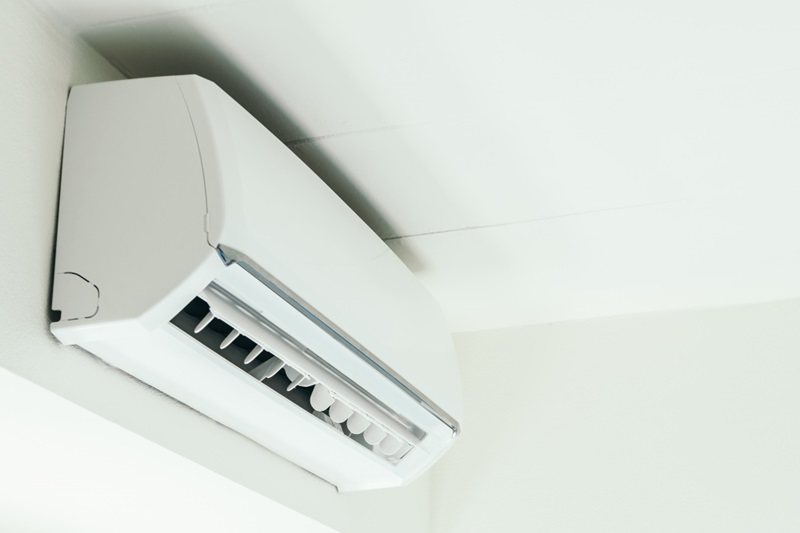
Before diving into maintenance tips, it’s crucial to understand what type of cooling heating systems you have and how they work. The most common types in Australian homes are split system air conditioning and ducted reverse cycle air conditioning. Each has its own maintenance requirements and benefits.
A reverse cycle air conditioner works by extracting heat from one place and moving it to another. During summer, it removes heat from inside your home and releases it outside. In winter, the process reverses – hence the name “reverse cycle” – bringing warmth from outside air into your home. This makes reverse cycle air conditioning one of the most energy-efficient options for year-round comfort. Understanding this basic principle helps you appreciate why certain maintenance tasks are so important.
Essential DIY Maintenance Tasks:
The good news is that many air conditioning maintenance tasks are simple enough to handle yourself. Regular cleaning of your air conditioner reverse cycle split system filters is perhaps the most important job you can do. Dirty filters force your system to work harder, increasing energy consumption and reducing the lifespan of components. For most homes, cleaning or replacing filters every one to three months during heavy use periods makes a significant difference.
Beyond filters, keeping the outdoor unit of your aircon reverse cycle split system clear is essential. Remove any leaves, grass clippings, or debris that accumulate around the unit. Trim back any plants or shrubs to maintain at least 60 centimetres of clearance on all sides. This simple task improves airflow and helps your system run more efficiently. Check the fins on the outdoor unit too – if they’re bent, you can carefully straighten them with a fin comb to restore proper airflow.
Professional Maintenance: When to Call the Experts:
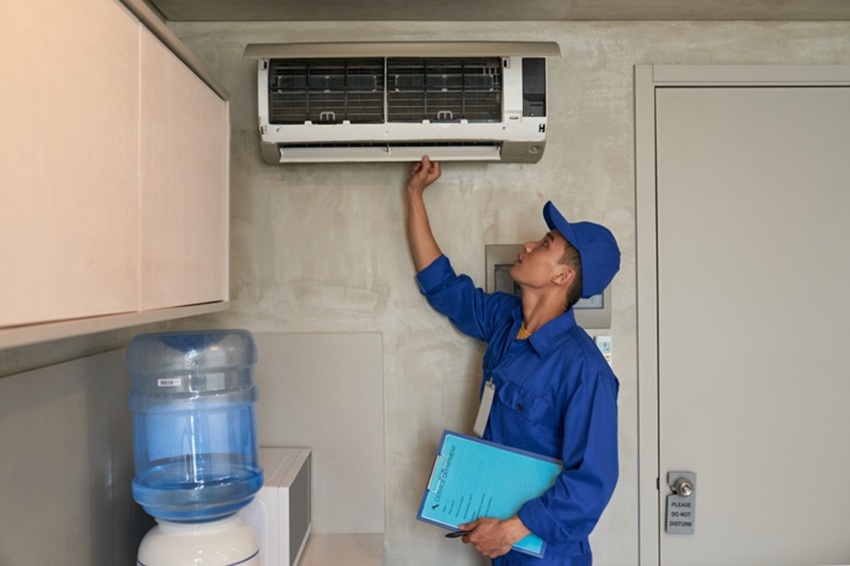
Whilst DIY maintenance is valuable, some tasks require professional expertise. Annual professional servicing of your reverse cycle air con is recommended by most manufacturers and can be a requirement to maintain warranty coverage. Professionals have the tools and knowledge to perform comprehensive system checks that go beyond what homeowners can safely do.
During a professional service, technicians will check refrigerant levels, test electrical components, clean coils thoroughly, and inspect the entire system for potential issues. They can spot problems early, before they become expensive repairs. For ducted reverse cycle heating systems, professionals can also inspect and clean ductwork that’s not easily accessible. This thorough approach helps maintain your system’s efficiency and can extend its life by years.
Maximising Energy Efficiency:
Understanding your air conditioner’s star rating is the first step toward maximising efficiency. Systems with higher star ratings use less energy to provide the same cooling or heating output. However, even the most energy efficient split system needs proper maintenance to perform at its rated efficiency. Regular maintenance can help your system maintain or even improve upon its original efficiency rating.
Temperature settings play a huge role in energy consumption. For cooling, setting your thermostat between 24-26°C provides comfort whilst keeping energy use reasonable. Each degree lower can increase running costs by up to 10%. In winter, reverse cycle ducted heating performs efficiently when set between 18-20°C. Using programmable thermostats or smart controls helps maintain these optimal temperatures automatically, preventing energy waste when you’re not home.
Seasonal Maintenance Guide
Spring is the ideal time to prepare your cooling heating systems for the demanding summer months ahead. Start by scheduling your annual professional service before the hot weather hits and technicians become busy. Clean or replace all filters, clear outdoor units of winter debris, and test your system to make sure it’s cooling effectively. This is also a good time to check and clean condensate drains to prevent water damage.
Autumn maintenance focuses on preparing for winter heating needs. If you have reverse cycle ducted heating, check that all vents are open and unobstructed. Clean filters again, as they may have accumulated significant dust during summer. Test your heating function whilst the weather is still mild, giving you time to address any issues before you really need the warmth. For homes switching between ducted or split system use seasonally, make sure both systems are ready for their respective seasons.
Troubleshooting Common Issues:
Even well-maintained systems occasionally experience problems. If your split system air unit isn’t cooling properly, first check the obvious – is it set to cooling mode, not just fan? Are the filters clean? Is the outdoor unit clear of obstructions? These simple checks resolve many “problems” without needing professional help.
For reverse cycle air conditioner ducted systems, uneven heating or cooling between rooms often indicates blocked vents, closed dampers, or ductwork issues. Start by checking all vents are open and unobstructed. If the problem persists, you may have ductwork leaks or blockages requiring professional attention. Water leaks from indoor units usually indicate blocked condensate drains – a problem you might fix yourself with careful cleaning, though persistent leaks need professional assessment.
Cost-Saving Maintenance Tips:
Preventing problems is always cheaper than fixing them. Creating a simple maintenance checklist and sticking to it can save hundreds or even thousands in repair costs. Basic tasks like filter cleaning cost nothing but a few minutes of your time, yet they prevent expensive compressor failures and system breakdowns. When comparing the cost of annual professional maintenance to potential repair bills, preventive care wins every time.
Consider learning which tasks you can safely handle yourself versus those requiring professionals. Whilst filter cleaning and basic outdoor unit maintenance save money when done yourself, attempting complex repairs often causes more damage. Know your limits and factor professional service into your annual budget. Many companies offer maintenance plans that provide regular service at discounted rates, often including priority emergency service.
Creating Your Maintenance Schedule:
Building an effective maintenance schedule starts with understanding your specific system’s needs. Check your owner’s manual for manufacturer recommendations, as these vary between brands and models. Mark key tasks on your calendar or set phone reminders – consistency is more important than perfection. A basic schedule might include monthly filter checks during heavy use seasons, quarterly outdoor unit cleaning, and annual professional service.
Customise your schedule based on your environment and usage patterns. Homes with pets, high dust levels, or allergy sufferers need more frequent filter changes. Coastal properties require extra attention to outdoor units due to salt air corrosion. If you run your reverse cycle air conditioning year-round, you’ll need more frequent maintenance than seasonal users. There’s no one-size-fits-all approach – adapt the schedule to your circumstances.

