

Discover What a Scaffold Is and Why It Matters
Building Up Safely, One Level at a Time. Ever looked at a tall building under construction and wondered how workers reach such heights? That’s where scaffolds come in. These temporary structures play a crucial role in construction and maintenance projects, offering workers a safe platform to do their job at various heights. In this guide, we’ll explore what is scaffold, how it works, and why it’s essential in so many industries. Whether you’re just curious or planning a construction project, you’ll find this guide easy to understand and enjoyable to read. At G & R Insulating and Scaffolding, our team knows how important safe and reliable scaffolding can be. With over two decades of experience, we’ve helped countless projects succeed with quality scaffolding solutions.
What Is a Scaffold and How Does It Work?
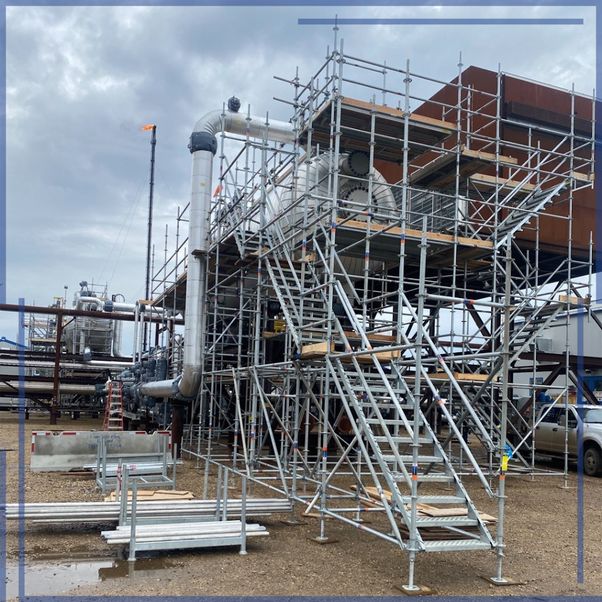
Let’s start with the basics. What is a scaffold? A scaffold is a temporary structure used to support workers and materials during the construction, maintenance, or repair of buildings and other large structures. It allows workers to reach heights safely and comfortably. Without scaffolds, simple tasks like painting tall walls or repairing roofs would be incredibly dangerous. Scaffolds are built using metal pipes or tubes, wooden planks, and connecting joints, making them stable and reliable.
Scaffolds are not just ladders in disguise. They are carefully designed platforms that must follow safety standards and engineering rules. There are different types of scaffolds, such as suspended scaffolds, supported scaffolds, and rolling scaffolds. Each type serves a specific purpose depending on the job. When properly assembled, a scaffold can bear heavy loads and provide a safe workspace above the ground. Understanding what a is scaffold and how it operates helps you appreciate the expertise involved in its setup. If you’re in the oilfield, industrial, or commercial construction sector, this knowledge can be a game-changer.
Types of Scaffolding and Where They’re Used
Now that you know what a is scaffold, let’s dive into the types available. The most common type is the supported scaffold, which stands on the ground using vertical posts. This is often seen on construction sites for painting, bricklaying, or siding. Suspended scaffolds hang from roofs and are often used for window cleaning or exterior repairs on tall buildings. Then there are mobile scaffolds, which are supported by wheels and can be moved from one place to another with ease.
Each type of scaffold is chosen based on the specific needs of a project. For example, in tight indoor spaces, a compact tower scaffold may be ideal. In contrast, large-scale exterior projects might require custom-built supported scaffolds. Using the right scaffold ensures safety, improves efficiency, and reduces risk. This is why companies like G & R Insulating and Scaffolding provide scaffold planning services to ensure the best solution for every job. Whether the goal is access, support, or elevation, there is always a scaffold designed for the task at hand.
Safety and Training: The Backbone of Good Scaffolding
Scaffolding isn’t just about poles and planks; it’s about safety. Every scaffold must be planned, erected, and dismantled with care. This requires trained professionals who understand safety codes and know how to inspect materials for wear or damage. That’s why safety training is a must in the scaffolding industry. Understanding what is scaffold also includes knowing how to use it properly.
At G & R Insulating and Scaffolding, quality control is at the heart of what we do. Our team receives hands-on training to build scaffolds that meet industry standards and exceed client expectations. When safety comes first, everyone wins. Workers feel more confident, and projects run smoother. Inspections are also critical, both before and during use, to ensure the scaffold remains stable and secure. The next time you see a scaffold on a worksite, know that a lot of planning and care went into making it safe for those who use it.
Real-World Uses: Scaffolds Beyond Construction
Think scaffolding is only used on construction sites? Think again. Understanding what is scaffold opens the door to its wide variety of uses. From concerts and sporting events to shipbuilding and oilfields, scaffolds are essential wherever elevated access is needed. In industrial settings, scaffolds are often used to reach high pipes, tanks, and machinery for inspection or repair. In the arts, stage scaffolding creates elevated platforms for lighting, sound systems, and even performers.
Scaffolds can also support temporary structures during renovations, offering a safe route for workers without disturbing the existing building. In the oilfield industry, scaffolds are crucial for accessing hard-to-reach areas during maintenance. That’s why expert companies like G & R Insulating and Scaffolding are trusted to provide safe and efficient scaffold solutions across many industries. Knowing what is scaffold helps people see it not just as a tool, but as a lifeline that keeps people and projects moving forward.
Choosing the Right Scaffold Service for Your Project
If you’re planning a project that involves working at heights, choosing the right scaffolding provider is vital. Start by asking: Do they offer planning and design? Are they experienced with different scaffold types? Can they meet my budget and timeline? Understanding what is a scaffold is only half the equation. You also need a team that understands how to deliver what you need, safely and efficiently.
A reputable scaffolding provider will offer more than equipment. They’ll give you confidence, peace of mind, and professional support every step of the way. G & R Insulating and Scaffolding is one such provider. With over 20 years of experience and a strong focus on quality and safety, we are here to help you succeed. Our services are tailored for all project sizes and requirements. If you’re curious or ready to start.
Frequently Asked Questions
1. What is a scaffold used for?
A scaffold is used to provide workers with safe access to high or hard-to-reach areas during construction, maintenance, or repair projects.
2. Are all scaffolds the same?
No, there are several types, including supported, suspended, and rolling scaffolds, each designed for specific tasks and environments.
3. Who should install scaffolding?
Only trained and certified professionals should install scaffolding to ensure safety and compliance with regulations.
4. Can scaffolding be reused?
Yes, scaffolding materials can often be reused, provided they pass regular inspections and meet safety standards.
5. Why is scaffolding important in construction?
Scaffolding improves safety, efficiency, and accessibility, making it an essential part of most construction projects.
Conclusion
Scaffolding is more than just a framework of metal and wood. It’s a carefully designed system that supports people, projects, and progress. By now, you should have a solid understanding of what is scaffold and why it plays such a vital role across many industries. From its structure and types to safety and real-world applications, scaffolding is an essential part of any successful job at height. Choosing a reliable provider like G & R Insulating and Scaffolding ensures your project is completed with care, precision, and safety. Whether you’re a contractor, a business owner, or just someone curious about construction, scaffolds help make the impossible possible. So next time you see one in use, you’ll know exactly what it’s there for and why it matters.
