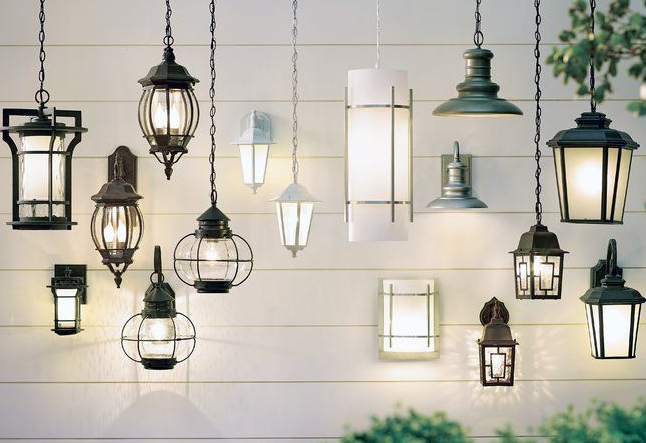
Wall Sconces, Chandeliers, and Pendants: DIY Installation Tips for Each
Lighting plays a huge role in shaping the mood and functionality of your space. Wall sconces, chandeliers, and pendant lights each offer a unique vibe, and when installed correctly, they can completely transform any room. Whether you’re sprucing up your dining room, brightening up a hallway, or giving your entryway a grand update, choosing the right fixture is only part of the equation.
The next step? Installation. While it might seem intimidating at first, DIY light fixture installation is doable—if you follow the right steps and take safety seriously. In this blog, we’ll walk you through how to install wall sconces, chandeliers, and pendant lights the smart (and safe) way. We’ll also explain when it’s time to call in a pro like Shock Solutions LLC, especially when the wiring or complexity gets tricky.
Let’s dig in.
Safety First: A Quick Pre-Installation Checklist
Before diving into fixture-specific tips, here’s a general list of must-dos for every lighting installation:
- Turn off the power at the circuit breaker—not just the wall switch.
- Test the wires with a voltage tester to confirm they’re not live.
- Gather your tools: screwdriver, wire stripper, voltage tester, mounting hardware, and possibly a ladder.
- Read the manual included with your fixture—it often has manufacturer-specific steps.
- Make sure the electrical box is properly rated for the weight of your fixture (especially for chandeliers and pendants).
If any part of this feels overwhelming or unsafe, contact a licensed professional like Shock Solutions LLC to handle the job.
1. Wall Sconces: Stylish and Space-Saving
Wall sconces are great for bedrooms, hallways, bathrooms, and even living rooms. They add ambiance without taking up floor space and can highlight artwork or architectural features.
DIY Installation Tips for Wall Sconces
Step 1: Turn Off the Power
Start by turning off the power at the circuit breaker. Use a non-contact voltage tester to confirm the wires are not hot.
Step 2: Remove the Old Fixture (if applicable)
Unscrew and gently pull the old sconce away from the wall. Disconnect the wires and set the old fixture aside.
Step 3: Inspect and Prep the Junction Box
Make sure your wall box is secure. If you’re working with an old home, you may need to upgrade the box to a modern, metal one for code compliance.
Step 4: Connect the Wires
Match black (hot), white (neutral), and green or bare copper (ground) wires. Use wire nuts and electrical tape for a secure connection.
Step 5: Mount the Sconce
Use the mounting bracket that came with your fixture. Once everything’s wired and tightened, screw the fixture to the bracket.
Step 6: Add Bulbs and Test
Insert the bulbs and turn the breaker back on to test.
✅ Bonus Tip: Want to install sconces where there’s no existing wiring? That’s a more advanced job—definitely time to call a pro like Shock Solutions LLC.
2. Chandeliers: Make a Statement
Chandeliers are elegant and eye-catching, perfect for dining rooms, foyers, or master bedrooms. But they’re also the most complex of the three to install—primarily due to their weight and wiring.
DIY Installation Tips for Chandeliers
Step 1: Turn Off the Power
Safety first, always. Shut off power at the breaker and double-check with a tester.
Step 2: Remove the Existing Fixture
Unscrew the old light, disconnect the wires, and take it down. If your chandelier is heavy, have a helper support it while you detach it.
Step 3: Confirm the Box Can Hold the Weight
Your electrical box should be rated for ceiling fans or heavy fixtures. If it isn’t, replace it with a brace box that attaches to the ceiling joists.
Step 4: Assemble the Chandelier
Assemble the fixture on the floor according to the manufacturer’s instructions. Don’t attach the bulbs yet—they can break during handling.
Step 5: Connect the Wiring
This part can be tricky. If your chandelier has multiple wires (for multiple bulbs), group all black wires together and all white wires together. Then match them to the wires in the ceiling box.
Step 6: Secure the Fixture
Use a mounting bracket or crossbar, and carefully raise the chandelier into place. Screw it securely and tuck wires neatly inside the ceiling box.
Step 7: Install Bulbs and Test
Turn the power back on and admire your new focal point!
✅ Bonus Tip: If your chandelier hangs over a dining table, aim for 30–36 inches above the table. For taller ceilings, add 3 inches for every foot over 8 feet.
And again—if heavy lifting, high ceilings, or confusing wiring have you second-guessing, give Shock Solutions LLC a call. Better safe than sorry.
3. Pendant Lights: Versatile and Modern
Pendant lights are incredibly versatile and ideal for kitchens, breakfast bars, or reading nooks. They hang from the ceiling on a cord, chain, or rod—and range from subtle to dramatic.
DIY Installation Tips for Pendant Lights
Step 1: Shut Off the Power
Always start by turning off the breaker. Don’t rely on just the wall switch.
Step 2: Remove the Old Light
Unscrew the old fixture and disconnect the wiring. If you’re working over a kitchen island, be cautious—countertops and overhead cabinets can get in the way.
Step 3: Adjust Hanging Length
Before installing, adjust the length of the pendant to suit your space. Common height rules:
- 30–36 inches above a table or countertop
- 60–72 inches above the floor for open areas
Step 4: Connect the Wires
Match up black to black, white to white, and ground to ground. Use wire nuts and wrap with electrical tape.
Step 5: Mount the Canopy
Secure the mounting bracket and slide the canopy (the decorative cover) over the box. Screw it into place.
Step 6: Insert Bulbs and Test
Install the bulbs, turn the power back on, and check your new pendant.
✅ Bonus Tip: For multiple pendants (like over a kitchen island), keep them evenly spaced—usually 24–30 inches apart center-to-center for best results.
Common DIY Mistakes to Avoid
Even confident DIYers can slip up. Here are a few common mistakes you’ll want to steer clear of:
- Not cutting power at the breaker (seriously, just flipping the switch is not enough).
- Overlooking fixture weight—especially for chandeliers.
- Mixing up wiring (if you’re unsure, bring in Shock Solutions LLC).
- Skipping the instructions—each fixture is a little different.
- Using the wrong tools—get a good voltage tester and wire stripper.
Why Choose Shock Solutions LLC for Help?
DIY is great, but sometimes you hit a wall—literally and figuratively. If:
- The wiring looks old or damaged
- Your fixture is extra heavy
- You’re installing on a high or sloped ceiling
- You just don’t feel confident
… it’s time to call in the experts.
Shock Solutions LLC provides professional electrical services with a reputation for safety, speed, and customer satisfaction. Whether you need help mounting a chandelier in your vaulted foyer or rewiring sconces in a historic home, they’ve got you covered.
Plus, hiring a licensed electrician ensures everything is up to code—protecting your home and your insurance.
Final Thoughts
Lighting fixtures like wall sconces, chandeliers, and pendants don’t just brighten up a room—they define it. With the right tools, a careful approach, and an understanding of what to expect, you can upgrade your home lighting safely and stylishly.
But never hesitate to bring in a pro when the job feels bigger than your toolbox. Let Shock Solutions LLC lend a hand when needed—because lighting should enhance your space, not stress you out.
FAQs
1. Can I install a chandelier by myself, or should I hire an electrician?
You can install a chandelier on your own if it’s lightweight, your ceiling box is rated for the weight, and you’re comfortable working on a ladder. For heavy fixtures or complex wiring, it’s best to call a professional like Shock Solutions LLC.
2. How do I know if my electrical box can support a new light fixture?
Check the label inside the box—it should indicate the maximum weight it can support. If it’s not rated for ceiling fans or heavy fixtures, you’ll need to replace it with a more secure option.
3. What’s the standard height for pendant lights over a kitchen island?
Generally, pendant lights should hang 30–36 inches above the island countertop and be spaced about 24–30 inches apart. For higher ceilings, adjust accordingly.