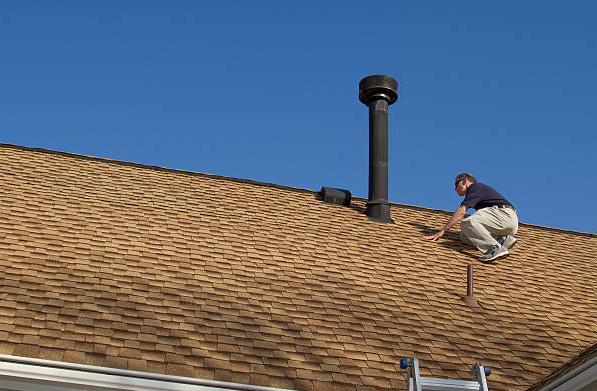
DIY Roof Installation: What You Can Do (and What to Leave to the Pros)
Thinking about tackling your roof installation? You’re not alone. Many homeowners are drawn to the idea of a DIY roof project because it promises savings, control, and the satisfaction of a job well done. But before you climb that ladder and start pulling off shingles, it’s important to know where your DIY skills will help—and where they could get you into trouble.
This guide breaks down exactly what you can do safely during a roof installation and what’s best left to seasoned professionals. We’ll also explore when hiring experts like The Austin Roof can protect your investment and your home.
Why Homeowners Consider DIY Roof Installation
DIY home improvement has surged in popularity, thanks to YouTube tutorials, blogs, and budget-conscious homeowners. And when it comes to roof installation, the savings can appear significant. Labor often makes up 40% or more of total roof replacement costs, so doing it yourself could, in theory, save thousands.
But roofing isn’t like painting your bedroom or installing a backsplash. It’s dangerous, technical, and unforgiving. One wrong move could cause leaks, void warranties, or even lead to personal injury.
So before we break down the dos and don’ts, let’s take a closer look at what roof installation involves.
What a Roof Installation Entails
A complete roof installation is much more than just slapping on shingles. It includes:
- Removing the old roofing material (including nails, flashing, and underlayment)
- Inspecting the roof deck for rot or damage
- Installing new flashing, underlayment, drip edges, and moisture barriers
- Laying down shingles or other roofing material following manufacturer guidelines
- Sealing vents, pipes, and joints to prevent water intrusion
- Ensuring proper ventilation for energy efficiency and roof longevity
- Complying with local building codes and passing inspections
As you can see, it’s a lot. And while you can do some of it yourself, it’s critical to understand where to draw the line.
What You Can Do Yourself
Let’s talk about the parts of the roofing process where handy homeowners can shine:
1. Basic Roof Inspections
Before calling in the pros, you can perform a visual inspection from the ground or a secure ladder. Look for:
- Missing or damaged shingles
- Sagging rooflines
- Moss or algae growth
- Rusty flashing
- Blocked gutters
Tip: Use binoculars or a drone for a closer view without risking a climb.
2. Gutter Cleaning and Repair
Clogged or damaged gutters can lead to roof leaks and water damage. Cleaning them out or replacing minor sections is a safe and valuable DIY task.
3. Minor Shingle Repairs
Replacing one or two damaged shingles can often be done safely if:
- The slope isn’t too steep
- You have a sturdy ladder and fall protection
- You follow manufacturer guidelines
Still, this is a temporary fix, not a substitute for a full re-roof.
4. Installing Attic Insulation or Ventilation Fans
Improving attic ventilation can help prolong your roof’s life. Installing a ridge vent or solar attic fan is often DIY-friendly with proper tools and instruction.
5. Removing Debris or Old Materials (Carefully!)
If your home has a one-story roof with easy access and gentle slope, you might be able to safely remove old shingles, nails, or flashing—assuming you’re properly equipped and not dealing with hazardous materials.
What You Should Leave to the Pros
Even the handiest homeowner should avoid these tasks unless they have professional experience:
1. Full Roof Replacement
Installing a complete roofing system isn’t just labor-intensive—it requires:
- Knowledge of underlayment layers
- Precision installation techniques
- Familiarity with local building codes
- Manufacturer-certified training (often required for warranty coverage)
Incorrect installation can void your warranty, cause leaks, or even structural issues.
2. Working on Steep or Multi-Level Roofs
Roofs with high pitch or multiple stories are dangerous. Falls from roofs account for more than one-third of construction fatalities annually. Professionals use harnesses, roof jacks, and other safety gear. Don’t risk it.
3. Flashing and Waterproofing
Poor flashing around chimneys, skylights, or vents is a leading cause of roof leaks. These areas require expert sealing to remain watertight. Improper flashing can lead to costly water damage inside your home.
4. Roof Deck Repairs
If your roof deck (the wood under your shingles) is damaged, it needs to be repaired or replaced. This is structural work that requires proper support and carpentry knowledge.
5. Tear-Offs on Large or Complex Roofs
Tearing off an old roof sounds easy—but when it involves multiple layers, valleys, or damage underneath, it quickly gets out of hand. You also need the right disposal tools, safety barriers, and cleanup process.
Why Hire Experts Like The Austin Roof?
When it’s time for serious roof work, hiring a professional roofing company isn’t just the safe choice—it’s often the most cost-effective choice long-term.
✔ 1. Warrantied Work
Most roofing manufacturers won’t honor warranties unless the roof was installed by a certified contractor. The Austin Roof is trained and certified to install leading materials with full warranty backing.
✔ 2. Code Compliance and Permits
Professional roofers are familiar with local building codes in Austin and beyond. They handle permits and ensure your roof passes inspection—saving you from legal and financial headaches.
✔ 3. Proper Tools and Safety
Roofing crews bring scaffolding, harnesses, ladders, and tools designed for speed and safety. This dramatically reduces the chance of injury or property damage.
✔ 4. Better Materials and Technique
With industry connections and bulk purchasing power, The Austin Roof often gets better pricing on high-quality materials than the average homeowner—and they install them to spec.
✔ 5. Cleanup and Disposal
Old shingles and nails? Gone. Dumpster rental? Handled. When you go with pros, the mess doesn’t become your problem.
The Hidden Costs of DIY Roof Installation
Many homeowners attempt a DIY roof project to save money. But the risks often outweigh the rewards. Common pitfalls include:
- Tool rental and safety gear ($500+ easily)
- Time lost from work (several full days or more)
- Fixing mistakes later (sometimes more expensive than just hiring a pro in the first place)
- Lower home resale value if work isn’t up to code or lacks warranty
- Voided insurance or warranties if damage occurs
Final Thoughts: Know Your Limits
DIY roof installation may look simple on screen, but it’s one of the riskiest and most technically demanding home improvement projects. If you’re confident, handy, and have a low-slope, single-story roof, some minor tasks may be doable. But when it comes to full installations or repairs on complex roofs, don’t gamble with your safety or your home.
Instead, work with a reputable professional like The Austin Roof—a company that combines skilled workmanship, top-tier materials, and peace of mind from start to finish.
FAQs
1. Is it cheaper to install a roof yourself?
Yes, in theory—but only if you already own the tools, have the experience, and can avoid mistakes. Most DIYers underestimate the time, cost, and safety risks. Hiring a professional like The Austin Roof often results in better long-term value and fewer headaches.
2. Can I just replace a few shingles myself?
If your roof has a low slope and you’re confident on a ladder, small shingle repairs might be manageable. Always follow safety precautions, and keep in mind this is a short-term fix—not a replacement for a professional roof inspection.
3. What’s the biggest risk of DIY roofing?
Falls are the most serious risk. Even experienced roofers face danger without proper equipment. Other risks include poor installation that leads to leaks, mold, structural damage, or voided warranties.