

DIY Carpet Repair: When It Works and When It Fails
Carpets add warmth, comfort, and a sense of coziness to any home. But like all things that experience daily wear and tear, carpets aren’t immune to damage. Whether it’s from pets, furniture legs, spilled wine, or simply the passage of time, your once-flawless carpet may develop issues such as frayed edges, burns, wrinkles, or even small tears.
So, what should you do? Many homeowners immediately search for DIY carpet repair tips. While there are times when do-it-yourself fixes can be successful and cost-effective, there are also situations where DIY repair can make the damage worse—or simply fail.
In this post, we’ll walk you through when DIY carpet repair is effective, when it fails, and when it’s best to call in professionals, such as Denver Metro Cleaning. We’ll also cover the tools, risks, and alternatives to help you make the best decision for your floors and your budget.
Part 1: When DIY Carpet Repair Can Work
DIY carpet repair isn’t always a bad idea. In fact, for small, simple issues, doing it yourself can save you time and money. Here are a few scenarios where homeowners have found success with DIY repairs:
1. Small Snags or Runs
If your carpet has a small snag or loose fiber, especially in looped styles like Berber, you might be able to trim it with scissors or pull it through the backing using a crochet hook.
Why it works:
These are minor issues that don’t affect the structure or performance of the carpet. A clean trim or a simple re-thread often solves the problem.
2. Loose Seams
Carpets installed in larger rooms are often seamed together. Sometimes, these seams come apart. DIY seam tape and a household iron can be used to reattach the carpet pieces.
Why it works:
With access to the seam and the right tape, it’s a manageable task—especially if you’re comfortable using heat and pressure evenly.
3. Wrinkles and Bubbles
If your carpet has developed a ripple or bubble, a carpet knee kicker and power stretcher (available for rent) can help you re-stretch the carpet and secure it back into place.
Why it works:
With patience and some muscle, this can restore the taut appearance of your carpet, making it look new again.
4. Small Burns or Stains
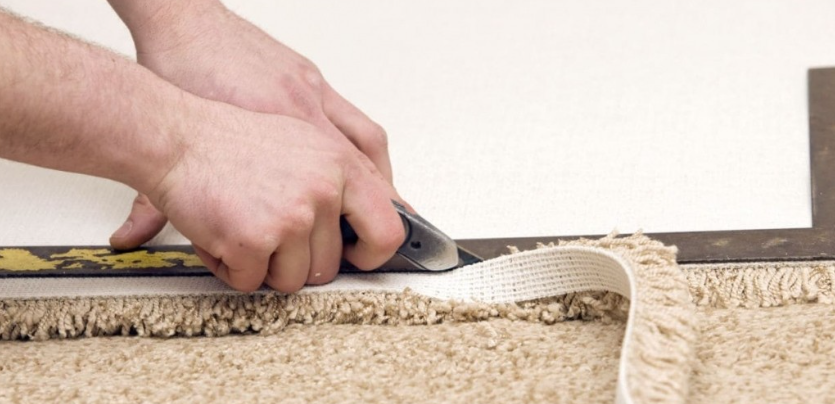
For burns caused by cigarettes or candles, or small stains that won’t come out, you can cut out the damaged section and patch in a new piece. If you have leftover carpet from the installation or can take a piece from a hidden spot (like inside a closet), you’re in luck.
Why it works:
Properly sized and glued or seamed patches can blend well, especially with low-pile carpets.
5. Loose Carpet Edges
Sometimes, carpet edges near doorways or transitions start to fray or lift. Carpet transition strips, tack strips, and adhesive can be used to secure and protect these vulnerable edges.
Why it works:
These are standard products available at most home improvement stores, and installation is straightforward with a utility knife and adhesive.
Part 2: When DIY Carpet Repair Fails
While minor issues may be manageable, there are several situations where DIY carpet repair can go horribly wrong. Here are some of the most common:
1. Large Tears or Holes
Attempting to patch large areas can result in mismatched textures or colors, especially if the new patch is from a different dye lot or has a different pile direction.
Why it fails:
Lining up patterns, pile direction, and getting the seams flush with the rest of the carpet is a skill. If it’s off by even a few millimeters, it becomes obvious.
2. Pet Damage
Pets can tear into carpet padding, claw at the fibers, or leave behind persistent odors. DIY fixes might cover the visual damage, but rarely address deeper issues like odor saturation or subfloor contamination.
Why it fails:
Unless you replace both the carpet and the padding (and even clean the subfloor), the damage and smell can return.
3. Improper Re-Stretching
Using a knee kicker without knowing the correct tension can result in bubbles forming again or even tears at the seams. Power stretchers are required for larger rooms, and they’re not easy to handle.
Why it fails:
Improper technique causes uneven tension and risks damaging the carpet backing.
4. Using the Wrong Tools
Many people attempt to repair carpet with basic tools like scissors, glue guns, or irons. Unfortunately, carpet repair often requires professional-grade seam tape, power stretchers, and precision cutters.
Why it fails:
Without the right tools, seams look raised, adhesives leak through, or cuts become jagged.
5. Water-Damaged Carpet
Trying to fix or dry a water-soaked carpet yourself can result in mold growth, musty odors, and irreparable damage to the carpet pad and subfloor.
Why it fails:
Drying the surface isn’t enough—moisture gets trapped underneath and can compromise the entire flooring system.
Part 3: When to Call the Professionals Like Denver Metro Cleaning
If your carpet damage falls under any of the failure examples above—or if you’re unsure—you’re better off calling in an expert.
Here’s what Denver Metro Cleaning brings to the table:
- Experience with complex repairs: From patching intricate patterns to re-stretching whole rooms.
- Access to matching materials: Professionals often have resources for finding close matches.
- Advanced tools and techniques: They use industrial-grade seamers, power stretchers, and adhesives.
- Time savings: What might take you hours or even days to research and attempt, they can finish efficiently.
- Guaranteed results: Reputable companies stand by their work—no guesswork required.
DIY vs. Professional Repair: Cost Comparison
| Type of Repair | DIY Cost | Professional Cost | Risk of DIY Failure |
|---|---|---|---|
| Small snag repair | $0 – $10 | $50 – $75 | Low |
| Patch repair | $20 – $40 | $100 – $200 | Medium |
| Carpet stretching | $50 – $100 (tool rental) | $150 – $300 | High |
| Seam repair | $20 – $50 | $100 – $250 | Medium |
| Pet damage repair | $30 – $80 | $200 – $400 | High |
Note: Costs are estimates and vary based on region and carpet type.
Common DIY Mistakes to Avoid
Even if you choose to go the DIY route, try to avoid these common pitfalls:
- Using leftover carpet from different batches – Color matching is critical.
- Gluing patches without proper seaming tape – This leads to stiff, uneven spots.
- Skipping the padding – Carpet feels uneven and wears out faster.
- Not trimming fibers evenly – This creates a noticeable patch.
- Forgetting to secure edges – Unsecured edges fray over time.
Tips for Successful DIY Repairs
If you’re going to attempt a repair yourself, keep these tips in mind:
- Watch several tutorials from reputable sources.
- Rent professional tools when needed—don’t rely solely on scissors and glue.
- Always cut patches slightly larger and trim down to size.
- Vacuum the area after repair to blend fibers.
- Test any cleaning agents in an inconspicuous spot first.
Final Thoughts: Know Your Limits
DIY carpet repair can be satisfying and cost-effective—when it’s the right job. But for more complex issues, the risks often outweigh the rewards.
The key takeaway? Small fixes are fine. Big damage needs a pro. And when you need professionals, Denver Metro Cleaning is your go-to solution for dependable, long-lasting carpet repair.
Whether you’re dealing with bubbling, stains, or complete carpet damage, their experienced technicians will make your floors look like new—without the stress of a botched DIY.
3 FAQs About DIY Carpet Repair
Q1: Can I repair carpet burns myself?
Yes, if the burn is small, you can trim the fibers or patch the area using a spare carpet piece. For large or deep burns, it’s better to hire a professional like Denver Metro Cleaning to ensure a seamless repair.
Q2: Is re-stretching carpet something I can do without experience?
You can try using a knee kicker for small rooms, but larger areas require a power stretcher and professional technique. Incorrect re-stretching often leads to more wrinkles over time.
Q3: Will a DIY patch look obvious?
It depends on how well you match the carpet color, texture, and pile direction. Even with a perfect match, amateur cuts or poor adhesive use can leave noticeable seams. Professional installers have the tools and experience to make patches blend flawlessly.