

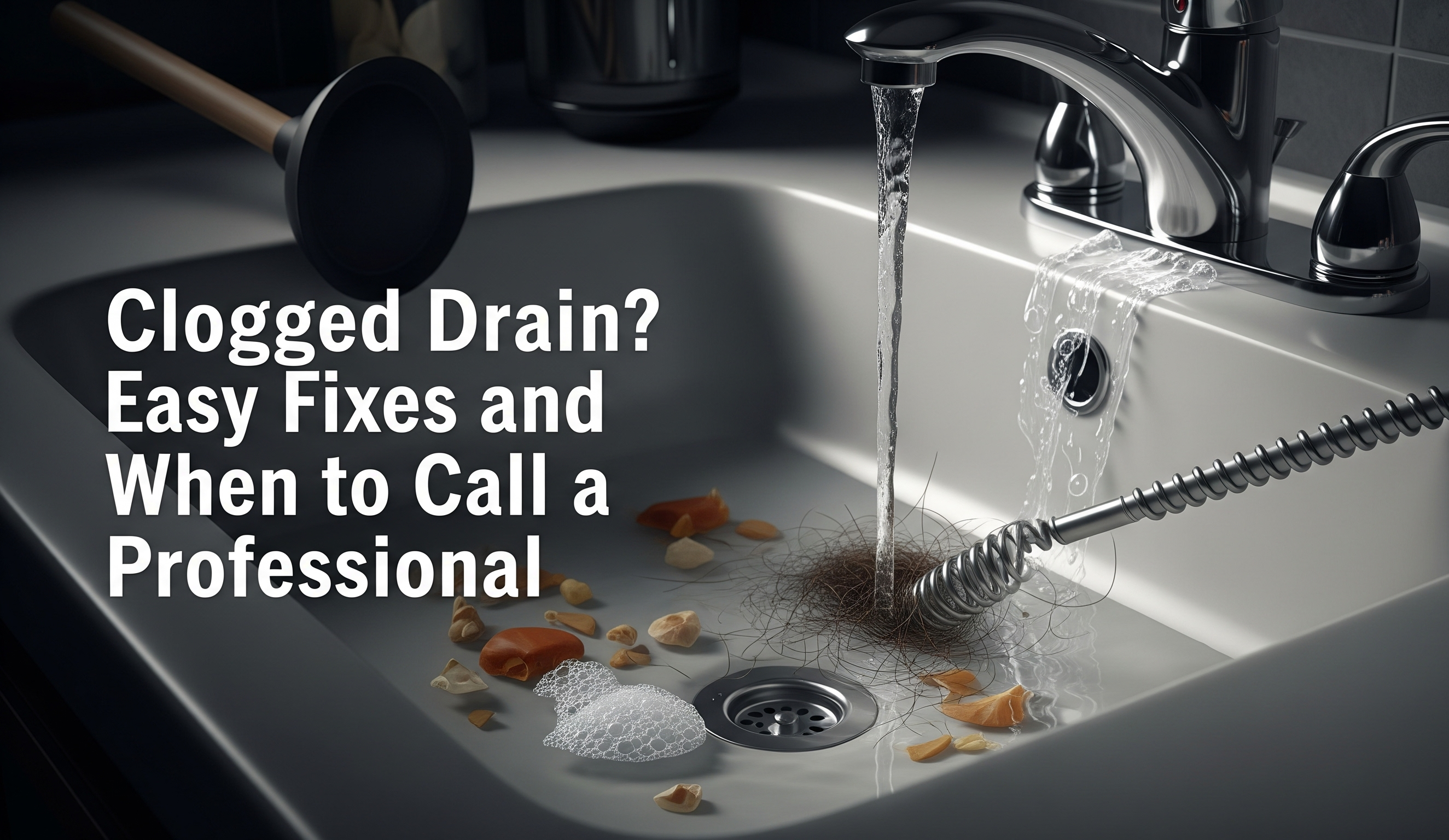
Clogged Drain? Easy Fixes and When to Call a Professional
You, me, and anyone else who reads this guide has been there – standing in front of a sink or shower, watching water slowly pool and wondering, “Why won’t this drain just work?”
A clogged drain is one of those household problems that can make you feel irritated and delay all your work. But this is not something you should panic about. With a little know-hot, some common tools, and a bit of patience, you can handle this minor issue on your own.
And when things get tricky, you’ll know exactly when to call in the pros for clogged drain repair. Let’s explore some easy tips, fixes, and signs that it’s time for professional help. But before that, it’s crucial for you to know what leads to a clogged drain.
Why Do Drains Get Clogged Anyway?
Before jumping into solutions, it’s helpful to understand the usual suspects behind clogged drains. Most blockages happen because of:
- Hair (especially in bathroom drains)
- Food scraps and coffee grounds (hello, kitchen sink!)
- Foreign objects (accidentally dropped toys, jewelry, or even toothpaste caps)
- Mineral deposits from hard water
Knowing what causes clogs helps you prevent them and pick the right fix when they happen.
Easy DIY Fixes for Clogged Drain Repair
The Boiling Water Trick
You must have heard about this one, but it’s now the time to try it once. Sometimes, boiling water can do wonders. You just have to pour it slowly down the drain in stages, and let it work. This hot water will dissolve soap scum or grease buildup and clear minor blockages.
Pro tip: Avoid this if you have PVC pipes—they can warp with extreme heat.
Baking Soda and Vinegar Magic
You must have studied about this classic combo in your science class, who knew it’ll be used to treat clogged drain? So, all you need to do is pour half a cup of baking soda down the drain, along with half a cup of vinegar. Once done, cover the durian for about 15 minutes while the frizzy reaction breaks down gunk. Then rinse with hot water.
It’s natural, inexpensive, and surprisingly effective for mild clogs.
The Plunger Power
No, a plunger is not just for your toilets. For sinks and tubs, a cup plunger can create more than enough suction to dislodge blockage. You just have to remember that while using it, cover any overflow holes with a wet cloth. This will help you get a better seal.
Manual Removal
If you can see the clog near the surface (hello, hairballs!), grab some gloves and try to pull it out. A drain snake or a wire hanger bent into a hook can help reach deeper blockages.
When to Call for Professional Clogged Drain Repair
Usually, when you DIY, you can solve most of the issues, but there comes stubborn clogs that need a professional’s attention. Here’s when you just can’t help but have to call an expert –
- When water is backing up in multiple drains because this could be a sign of some severe issue in your main sewer line
- If you experience unpleasant odours continuously as it might indicate trapped debris or sewage problems
- If your drain keeps clogging despite your best efforts, there might be a hidden issue
- Persistent slow drainage can hint at pipe damage or buildup that requires specialized tools
Plumbing can be tricky and messy. It’s okay to call a pro rather than risk causing damage. Professional clogged drain repair experts have the right tools—like motorized drain snakes and video inspection cameras—to diagnose and fix tough blockages quickly and safely.
Preventing Future Clogs: Tips You’ll Love
Do you know what the best part is? Once you have got your clog cleared, you take proactive measures to keep drains flowing smoothly. Here is what all you are supposed to do –
Make use of drain guards to catch hair and food particles
- Avoid pouring grease or coffee grounds down the sink
- Regularly flush drains with hot water or the baking soda and vinegar combo
- Clean your drains every few months to prevent buildup
- Be mindful of what goes down the drain—no toys, jewellery, or large debris!
| Fun Drain FactBefore you go, here’s a quirky fact: The average person uses their bathroom sink about 2,000 times a year! That’s a lot of water flowing through those pipes. Keeping drains clear isn’t just about convenience—it helps your whole plumbing system stay healthy. |
Myth-Busting: What NOT to Do for Clogged Drain Repair
Let’s get real—when a drain clogs up, it’s tempting to try every trick you’ve ever heard. But not all “hacks” are created equal! Here’s the lowdown on some common myths, so you can skip the mess and keep your pipes happy.
Myth: “The cleaner the drain, the better!”
Reality: It feels like dumping in a little extra will blast that clog away, right? Unfortunately, chemical drain cleaners can actually eat away at your pipes, especially if you use them often. They’re usually just a quick fix and might leave you with bigger plumbing headaches down the road. Stick to safer methods and save those pipes!
Myth: “If it says ‘flushable,’ it’s fine for the drain.”
Reality: Don’t believe the hype! Many so-called flushable wipes and products don’t break down like toilet paper. They can bunch up and cause stubborn blockages that even pros groan about removing. Toss them in the trash instead.
Myth: “If the water eventually drains, the problem is solved.”
Reality: Slow drains are your plumbing’s way of waving a red flag. Even if the water finally disappears, a slow drain usually means there’s a bigger clog lurking. Ignoring it can turn a minor annoyance into a major (and messy) repair job.
Ready to Tackle That Clog?
Clogged drain repair doesn’t have to be stressful or complicated. With a few simple tools and tricks, you can fix most blockages yourself and save time and money. But remember, when the clog is stubborn or widespread, professional help is just a call away.
So next time your drain acts up, stay calm, try these easy fixes, and know exactly when to bring in the experts. Happy draining!
