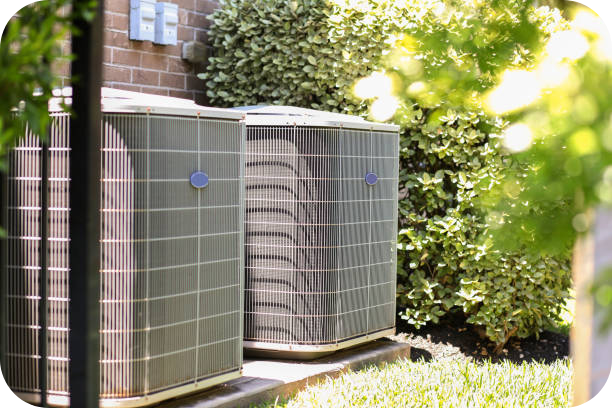
What To Expect During the HVAC System Installation Process
When it comes to comfort, air quality, and energy efficiency, nothing plays a bigger role in your home or business than a properly designed and installed HVAC system installation. Whether you’re replacing an outdated unit or outfitting a brand-new building, understanding what to expect during the installation process can help minimize stress and ensure everything goes smoothly.
Modern HVAC systems are more efficient and reliable than ever. But a successful installation starts long before the technician arrives—with proper planning, expert assessments, and the right equipment selection tailored to your needs. Let’s walk through what you can expect during each phase of the process.
Customized HVAC Solutions
In a growing community like Gatesville, TX, having an HVAC system that’s both powerful and efficient is more important than ever. The region’s hot summers and unpredictable winters make reliable heating and cooling a necessity—not a luxury.
Every installation in Gatesville should be tailored to the property’s size, layout, insulation, and ductwork. A proper HVAC system setup ensures your system won’t be overworked or underpowered, helping you avoid unnecessary repairs or high energy bills down the road.
Professional installers in Gatesville take care to perform a detailed site evaluation, measuring your space and identifying any existing issues with airflow or temperature regulation. This ensures your new system will run efficiently all year long.
Step-by-Step: The HVAC Installation Process
Here’s a breakdown of what happens during a typical HVAC unit installation so you know what to expect from start to finish.
1. Initial Consultation and System Assessment
The process begins with an inspection of your current HVAC system (if one exists), followed by a full property assessment. The goal is to determine the correct system size and type for your specific needs—whether that includes air conditioning installation, furnace installation, or both.
2. System Selection and Planning
After the assessment, your technician will help you choose the right unit. Whether you need a split system, packaged unit, or ductless mini-split, planning includes choosing equipment that fits your energy goals, space limitations, and budget.
This step also involves scheduling, ensuring the work is completed at a time that’s convenient and minimally disruptive.
3. Removal of the Old Equipment
If you’re replacing an existing system, the old unit will be carefully removed. This includes disconnecting power sources, refrigerant recovery, and dismantling components while protecting surrounding structures.
4. Installation of New HVAC Equipment
Now comes the actual HVAC equipment setup. This includes placing the indoor and outdoor units, connecting refrigerant lines, wiring thermostats, and securing ductwork (if necessary). Precision is key here—proper alignment and sealing ensure maximum system efficiency.
5. System Testing and Final Checks
Once installed, your technician will perform a full system check. This includes testing airflow, refrigerant levels, electrical connections, and thermostat controls. Any last-minute adjustments are made to ensure everything is running perfectly.
You’ll also receive a basic tutorial on how to use and maintain the system to get the best performance for years to come.
Conclusion
HVAC installation may seem overwhelming, but with the right team and process, it can be a smooth, rewarding experience. From the first consultation to the final system test, each step is designed to deliver lasting comfort, efficiency, and reliability.
In areas with fluctuating weather and growing demand for efficient heating and cooling, a well-installed system becomes a critical investment in your home or business.
Whether you’re starting from scratch or upgrading, knowing what to expect will help you feel confident and informed throughout the process. Choose a trusted partner, stay involved in the planning, and get ready to enjoy consistent indoor comfort all year long.
FAQs
1. How long does a typical HVAC system installation take?
Most installations take one to two days, depending on system complexity and property layout.
2. Do I need to be home during the installation?
Yes, it’s best to be present to grant access and discuss any questions or adjustments with the technician.
3. Can I replace just the AC or furnace instead of the whole system?
Yes, but replacing both may be more cost-effective and energy-efficient, especially if one component is already outdated.
4. What should I do to prepare for installation day?
Clear the workspace around your current HVAC system, secure pets, and move fragile items out of the way.
5. Will a new HVAC system lower my energy bills?
Absolutely. Modern systems are designed to be much more energy-efficient, leading to noticeable savings over time.