

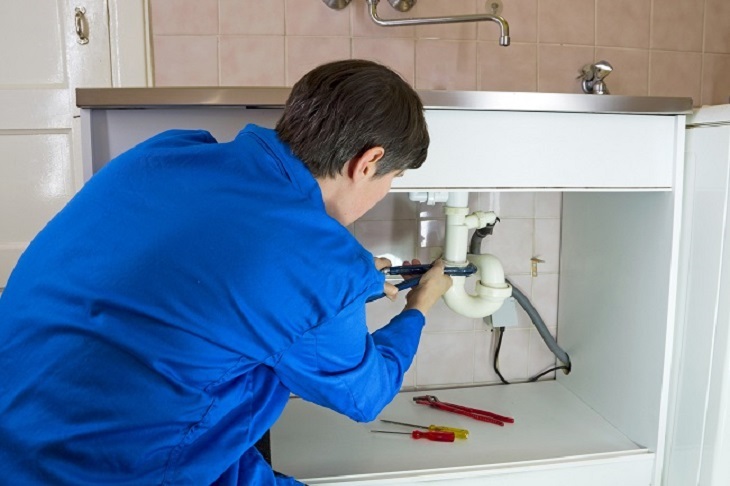
Expert Methods for Managing Blocked Drain Systems
Have you ever stepped into the shower only to find yourself standing in ankle-deep water? Or maybe you’ve gone to flush the toilet and discovered it’s refusing to drain? These moments can be downright frustrating and often leave us wondering what’s lurking in our pipes. Blocked drains aren’t just an inconvenience; they can lead to extensive damage if left ignored. That’s why it is vital to understand not just the basics but the more advanced methods available to keep your plumbing in great shape.
A blocked drain is more than just an inconvenience—it can lead to costly water damage, unpleasant odors, and even health hazards if left untreated. While minor clogs can often be resolved with basic tools, persistent or severe blockages require professional techniques to ensure complete removal and prevent recurring issues.
Understanding the Causes of Drain Blockages
Before attempting to clear a blocked drain, it’s essential to identify the root cause. Common culprits include:
- Accumulated grease and food waste in kitchen sinks
- Hair and soap scum buildup in bathroom drains
- Foreign objects such as toys, wipes, or sanitary products
- Tree root intrusion in outdoor drainage pipes
- Mineral deposits and corrosion in older pipes
Recognizing the source of the blockage helps determine the most effective removal method and prevents future occurrences.
Advanced Diagnostic Techniques
Professional plumbers use specialized tools to pinpoint the exact location and nature of a blockage without unnecessary guesswork.
Video Pipe Inspection
A small, waterproof camera is fed through the drain to provide real-time visuals of the pipe’s interior. This method reveals cracks, root intrusions, and hidden obstructions that traditional methods might miss.
Hydrostatic Testing
By sealing the drain and filling it with water, plumbers can detect leaks or weak points in the system that may contribute to recurring blockages.
Acoustic Detection
Sound waves help locate blockages by identifying changes in pipe resonance, particularly useful for underground or hard-to-reach drainage systems.
Professional Drain Clearing Methods
Once the blockage is identified, experts employ advanced techniques to remove it safely and effectively.
High-Pressure Water Jetting
This method uses a specialized machine that propels water at pressures up to 4,000 PSI, blasting away grease, debris, and mineral buildup. Unlike snaking, which merely punches a hole through the clog, water jetting thoroughly cleans the entire pipe interior, reducing the likelihood of future blockages.
Motorized Drain Augers
For deep or stubborn clogs, an electric drain auger (or sewer snake) with a rotating cable can break apart obstructions. Heavy-duty models are capable of navigating long pipe runs and cutting through roots.
Enzyme and Bacterial Drain Treatments
Unlike harsh chemical cleaners, enzymatic and bacterial treatments use natural microbes to break down organic waste like grease, hair, and food particles. These eco-friendly solutions are ideal for preventive maintenance.
Pipe Relining for Damaged Drains
If a blockage is caused by a collapse or deteriorating pipe, traditional snaking may not suffice. Trenchless pipe relining involves inserting a resin-coated liner into the damaged pipe, which hardens to form a new, seamless interior. This method avoids costly excavation.
Preventive Maintenance
Preventing blockages is far more cost-effective than emergency repairs. Experts recommend the following maintenance practices:
Regular Drain Flushing
Pouring boiling water down drains weekly helps dissolve minor grease buildup. For tougher residue, a mixture of baking soda and vinegar followed by hot water can keep pipes clear.
Installation of Drain Guards
Strainers in sinks, showers, and tubs catch hair, food scraps, and other debris before they enter the plumbing system.
Scheduled Professional Cleaning
Annual inspections and hydro-jetting for main sewer lines prevent severe buildup, especially in homes with older plumbing or large households.
When to Call a Professional
While DIY methods can handle minor clogs, certain situations require expert intervention:
- Recurring blockages suggest a deeper issue within the pipes.
- Multiple slow drains may indicate a main sewer line clog.
- Foul odors or gurgling sounds often signal a serious obstruction.
- Water backups in sinks, tubs, or toilets require immediate attention.
Attempting to resolve complex blockages without proper tools can worsen the problem, leading to pipe damage or flooding.
Conclusion
Managing blocked drain systems effectively requires a combination of diagnostic expertise, advanced tools, and preventive care. By understanding the causes of blocked drains blockages and utilizing professional techniques such as hydro-jetting, video inspections, and pipe relining, homeowners and plumbers can ensure long-lasting drainage solutions.
Regular maintenance, including drain guards and enzyme treatments, minimizes the risk of future clogs. However, when faced with persistent or severe blockages, consulting a professional ensures the problem is resolved safely and efficiently.