

What methods do bed bug treatment services use?
Discover the methods bed bug treatment services use steam, insecticides, encasements, inspections, and more, to ensure effective, lasting elimination and prevention.
Bed bugs rank among the most stubborn bugs in homes, hotels, or anywhere humans seek refuge. The approach to eliminating them requires specialized skill, methodical strategies, and integrated treatment approaches. For all methods used to treat a bed bug infestation, there are many techniques available to find and eliminate bed bugs and other bugs.
What Are Bed Bug Treatment Services?
Bed bug removal services are pest control services offered professionally to detect, remove, and prevent bed bug infestations. They are provided by certified pest control technicians with specialized equipment, products, and techniques to treat areas infested by bed bugs.
Some of these services begin with an inspection to discover the extent of infestation. After the inspection results are documented, the expert applies a suitable treatment regimen tailored toward the infestation area and severity.
Treatment may include one or more approaches, and most often, follow-up visits will be needed to help ensure that no bugs have matured into adulthood.
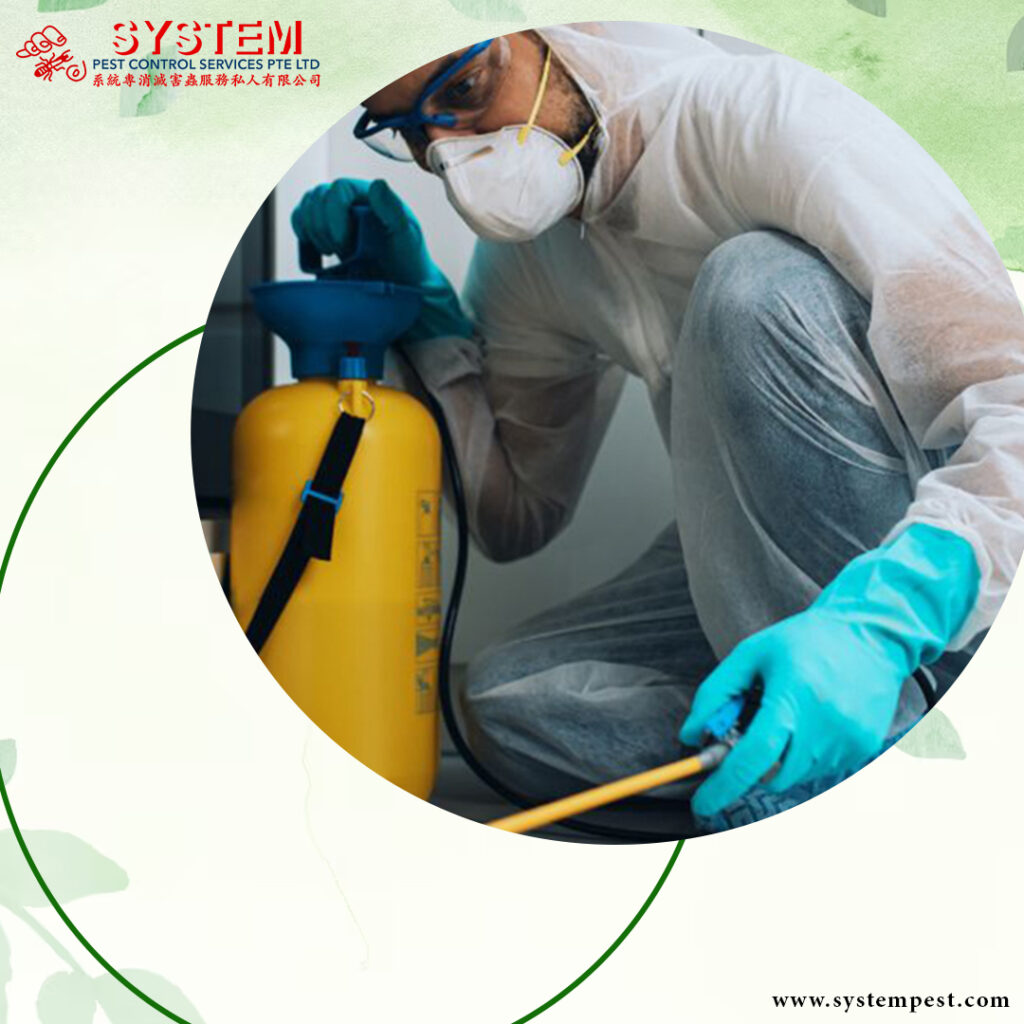
Key Features of Bed Bug Treatment Services:
- Inspection and assessment of infested areas.
- Customized treatment plans based on severity.
- Use of chemical or non-chemical methods.
- Follow-up inspections and treatments.
- Preventative measures to reduce the chance of re-infestation.
What methods do bed bug treatment services use?
1. Steam
Chemical-free method comprising high steam treatment kills bedbugs on direct contact. It vaporizes the mattress covering, penetrating mattress seams and cracks. Deep, thorough applications are ensured over infested areas using commercial-grade steamers by professionals.
2. Insecticide
Insecticides are commonly used for the application of bedbug elimination through direct spray and their residual effect. A licensed professional applies them on cracks, baseboards, and furniture. These chemicals, which belong to various classes and have different acute toxicities, often require several treatments to be fully effective on the bedbug infestation.
3. Bed Bug Encasements
Encasements are protective coverings for the mattress and box spring that trap all the bed bugs inside while preventing new ones from entering. The zippered covers are made of bed bug-proof material, allowing homeowners to monitor for bed bug infestations while inhibiting bugs from feeding or escaping.
4. Neonicotinoids
Neonicotinoids are synthetic nicotine-based insecticides that are relevant to the nervous systems of bed bugs. They work effectively on pesticide-resistant strains. This method is used in conjunction with other treatments to provide intensive pest management by trained exterminators.
5. Pyrethrins
Pyrethrins are insecticides of natural origin derived from chrysanthemum flowers that disrupt bed bug nervous systems. They are sprayeinto infested areas, often along with synthetic pyrethroids, but may need to be reapplied due to resistance issues.
6. Pyrroles
When bed bugs are suspected of developing resistance against some other insecticides, pyrrole-based chlorfenapyr disrupts the cell functions of bed bugs, killing them slowly. They are then used as a part of an integrated pest management strategy employed by licensed pest control operators.
7. Vacuuming
Vacuuming gives physical removal of bed bugs, eggs, and debris from infested areas and helps take care of the first step in treatment, especially around mattress seams, baseboards, and even furniture. Proper disposal of vacuum bag contents must be ensured to prevent the development and re-infestation.
8. Visual Inspection
Inspectors perform visual examinations of beds, furniture, cracks, and seams, looking for live bugs, fecal spotting, and eggs. This helps in determining the infestation’s severity and determining how best to prepare for treatment. Regular inspections are a key component in monitoring treatment effectiveness and spotting the early signs of resettlement.
9. Bed Bug Canine Detection
Trained dogs detect bed bugs by scent, even in hidden locations. This process is incredibly fast and very precise; it is optimal for hotels or large properties. The canine teams assist in pinpointing infestations that could escape visual inspections.
Bed Bug Treatment for Different Property Types
1. Residential Homes
For homeowners, bed bug services include inspection of respective rooms with a specific treatment regimen. Since such bugs often travel through walls or pipes, adjoining rooms and furniture are treated.
2. Hotels and Hospitality
Time and discretion constitute speedy treatments in the hospitality industry. The heat and chemical treatment procedures normally used for infestations in hotels need to be combined with routine monitoring programs.
3. Apartments and Multi-Unit Housing
These require inspection throughout the whole building. The technicians will coordinate with the property owner in order to have surrounding units treated at the same time in order to prevent reinfestation.
4. Healthcare Facilities
Due to sensitive environments, they often choose to apply steam or cryonite treatment, which are non-toxic methods. Follow-up services, including hygiene-training services for the staff, may be provided.
What to Expect During a Bed Bug Treatment
- Initial Inspection: Technicians perform an extensive examination of the bed, furniture, walls, and concealed locations where bed bug presence is detected or an infestation level is determined throughout the suite or for the property.
- Consultation: After inspection, the technician comments on the findings and presents a tailored treatment plan with suggested methods, time frame, safety instructions, and costs approximated for complete bed bug removal.
- Preparation: The area must be prepared for any operation reasonably, by decluttering, washing bed linens in hot water, vacuuming the floors, and removing personal items, to facilitate proper and effective treatment application for bed bug elimination.
- Treatment Execution: The technicians carry on with the treatment, on schedule, through the application of heat, chemicals, steam, or otherwise, paying close attention to all afflicted areas such as cracks, crevices, mattresses, and furniture, for total bug elimination.
- Follow-up Visit: The follow-up visit, which is set, serves to review the efficacy of the initial treatment, establish whether any clusters somehow survived, and schedule supplemental treatment to finalize total elimination and obtain long-lasting results in pest control.
- Prevention Tips: You will be advised on how to avoid further infestations through mattress encasement, sealing any cracks, cleaning out any clutter, and subjecting your belongings to inspection for early signs of bed bug activity.

Cost of Professional Bed Bug Treatment
The cost of professional services depends on multiple factors:
- Size of the infested area
- Severity of the infestation
- Number of treatment sessions required
- Type of treatment method used
Average cost estimates (USD):
- Single room: $300 – $500
- Whole house (2–3 bedrooms): $800 – $2,500
- Heat treatment (entire home): $2,000 – $4,000
Conclusion
Bed bug treatment services represent comprehensive, expert treatment for bed bug infestations varying widely in severity and property types. Professionals use advanced techniques, including steam, chemicals, inspections, and follow-up treatments to ensure effective and permanent removal, leaving your premises protected from the resilience of these little pests and warding off future attacks.

