

The Complete Guide to Residential Demolition and What to Expect
Residential demolition is more than just tearing down walls or removing a structure—it’s a strategic process that demands planning, safety, and efficient cleanup. Whether you’re remodeling your kitchen or taking down an old garage to make room for a new addition, demolition sets the foundation for what’s to come.
A successful demolition project hinges on preparation, compliance with local regulations, and expert construction debris removal. Working with professionals like JUNK PEOPLE LLC, who bring a combination of experience, safety training, and efficiency to the table, ensures the process is done right the first time.
Let’s dive into everything a homeowner needs to know about residential demolition—from planning and permits to the cleanup and final inspection.
Understanding the Different Types of Residential Demolition
There are generally two main types of residential demolition: total demolition and selective demolition. Total demolition refers to the complete removal of a building or structure, while selective demolition focuses on specific parts of a home such as interior walls, bathrooms, or outbuildings.
Selective demolition is common in home renovations where only certain areas are being updated. In either case, managing dust, safety, and construction debris is a top priority.
Planning and Permits
Before any demolition work begins, it’s essential to obtain the proper permits. These vary depending on your local municipality but typically include building permits, utility disconnects, and sometimes environmental assessments.
An experienced contractor will:
· Coordinate inspections
· Schedule utility shut-offs
· Handle environmental testing (asbestos, mold, or lead paint)
Neglecting permits can result in delays, fines, or worse—unsafe conditions for you and your neighbors.
Pre-Demolition Preparations
Once your project is approved and scheduled, the site needs to be prepped. This involves a thorough inspection of the home or area to be demolished. Important steps include:
· Disconnecting water, gas, and electricity
· Protecting surrounding landscaping or structures
· Identifying hazardous materials
· Arranging for dumpster rental and construction debris remove.
This phase helps ensure the process is safe for workers and residents and minimizes environmental impact.
Demolition Equipment and Techniques
Depending on the scope of work, demolition teams use a variety of tools:
· Manual tools like hammers and pry bars for small-scale interior jobs
· Power tools such as reciprocating saws and jackhammers
· Heavy machinery including skid steers, excavators, and loaders
The technique used depends on the structure, material, and surrounding environment. In tight neighborhoods, noise and dust control are critical, and professionals take extra care to manage both.
Safety Measures and Compliance
Residential demolition can pose risks, so licensed contractors must follow OSHA standards and local building codes. This includes:
· Wearing protective equipment
· Securing the job site
· Dust and noise suppression
· Using signage to warn neighbors and visitors
A strong safety plan goes hand-in-hand with responsible construction debris removal, reducing hazards and keeping your property and community protected.
Efficient Construction Debris Removal
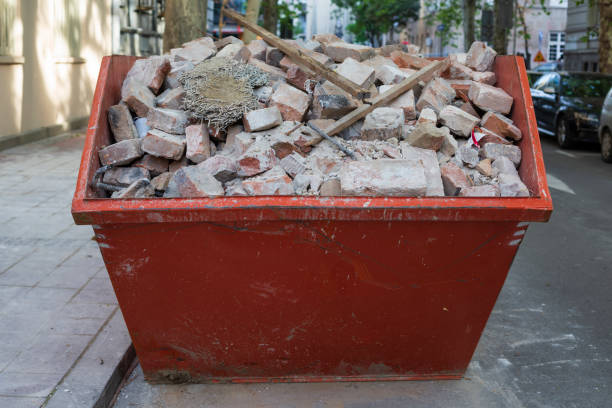
After demolition, what’s left behind is often a mix of wood, drywall, concrete, nails, and potentially hazardous waste. Efficient construction debris remove is critical for site safety and compliance.
Professional teams sort debris into recyclable, reusable, and landfill categories. Many materials such as concrete and metal can be recycled, while others like treated wood or asbestos-containing products must be disposed of at approved facilities.
By choosing the right demolition team, homeowners can avoid costly fines and reduce their project’s environmental footprint.
Sustainability in Modern Demolition
Today’s contractors focus not just on tearing down but also on sustainability. Construction debris removal isn’t just about dumping everything into a landfill. Materials are evaluated for donation, reuse, or recycling.
Common recycled items include:
· Concrete (crushed for road base)
· Scrap metal
· Untreated lumber
· Appliances and fixtures (when in good condition)
This environmentally friendly approach not only benefits the planet but can also reduce overall project costs.
Timeline and Coordination
Demolition typically follows this general timeline:
1. Permit and preparation: 1–2 weeks
2. Demolition execution: 1–5 days (depending on size)
3. Debris removal and cleanup: 1–3 days
4. Final inspection and site grading: 1–2 days
Good communication between the contractor, inspectors, and waste haulers ensures the schedule stays on track and construction debris removal is performed as expected.
Post-Demolition Cleanup and Site Readiness
Once the demolition is complete, a final walkthrough is performed. Contractors check for:
· Leftover hazardous waste
· Debris scattered beyond the work zone
· Grading of the land if rebuilding will occur
Proper construction debris removal leaves the site clean, safe, and ready for the next phase of your project, whether that’s landscaping, rebuilding, or selling the lot.
Choosing the Right Demolition Contractor
Not all demolition providers are created equal. When selecting a contractor, consider:
· Licensing and insurance
· Experience with local building codes
· Reputation and references
· Commitment to safety and the environment
Contractors who focus on detailed planning and transparent communication, like JUNK PEOPLE LLC, offer reliability, professionalism, and peace of mind throughout your project.
Conclusion
Residential demolition is a complex yet manageable process when done correctly. From permits and planning to execution and cleanup, every step matters—especially responsible construction debris removal. Choosing experienced professionals like JUNK PEOPLE LLC ensures the job is done safely, efficiently, and in compliance with environmental regulations. With the right team, you’ll not only avoid costly mistakes but also prepare your property for its next exciting chapter.
FAQs
What’s included in residential demolition services?
Services typically include structure removal, utility disconnection, construction debris removal, site cleanup, and sometimes land grading.
Is demolition safe for neighboring properties?
Yes—when handled by experienced professionals. Proper bracing, dust control, and debris containment protect nearby homes and residents.
What happens to the debris?
Demolition contractors manage construction debris removal by sorting materials for recycling, landfill, or reuse—based on material type and local regulations.
How do I know if my home has hazardous materials?
Homes built before the 1980s may contain asbestos or lead paint. Professionals conduct inspections and testing to ensure proper handling and removal.
Can I handle demolition myself?
Small projects like removing drywall may be DIY-friendly, but full teardowns require expertise, permits, and safety protocols that only professionals can offer.