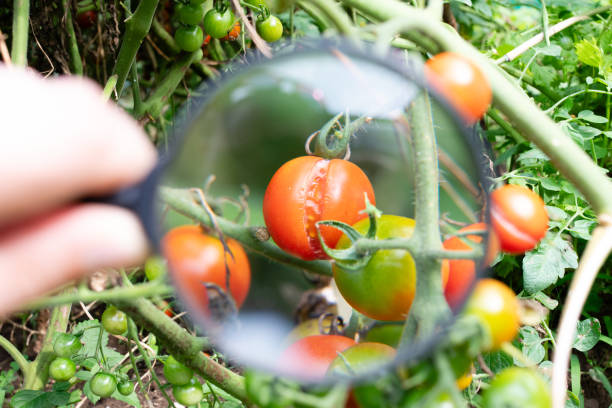
Exploring the Benefits of Micro Organic Farming in Dubai
Dubai’s rapid urbanization and harsh desert climate have long posed challenges for traditional agriculture. However, micro organic farming offers a promising solution. This small-scale, sustainable approach allows residents and communities to grow healthy food using eco-friendly methods—even in limited spaces.
Let’s explore how micro organic farming works, why it fits well with Dubai’s environment, and what benefits it brings to urban dwellers.
What Is Micro Organic Farming?
Micro organic farming refers to growing food in small spaces using natural farming techniques. It focuses on cultivating vegetables, herbs, and fruits without synthetic chemicals, relying instead on compost, natural fertilizers, and eco-friendly pest control.
Key Characteristics of Micro Organic Farming
- Utilizes organic compost and soil conditioners
- Avoids chemical fertilizers and pesticides
- Emphasizes crop rotation and biodiversity
- Requires limited space and resources
- Promotes community-based or home-based gardening
This method is ideal for urban regions like Dubai, where land is scarce and sustainability is increasingly important.
Why Micro Organic Farming Suits Dubai
Dubai’s climate is dry and arid, with high temperatures and minimal rainfall. While these conditions make traditional farming difficult, micro organic farming adapts well using controlled environments and water-saving techniques.
Climate-Resilient Practices
Micro organic farms often use containers, hydroponics, and vertical gardens. These systems reduce water use and shield plants from extreme heat. Shade nets, drip irrigation, and organic mulching help retain soil moisture and cool plant roots.
Urban Integration
With most residents living in apartments or villas, balcony farming and rooftop gardens have gained popularity. Micro organic farming systems can thrive on patios, terraces, and even kitchen counters, making them suitable for Dubai’s lifestyle.
Health and Nutrition Benefits
Growing your own food provides better control over what goes into your body. Micro organic farming ensures the produce is fresh, nutrient-rich, and free from chemical residues.
Freshness and Taste
Since the produce is harvested minutes before consumption, it retains maximum flavor and nutrition. Unlike store-bought vegetables that may travel long distances, home-grown food is always fresh.
Safe and Chemical-Free
Organically grown crops avoid synthetic pesticides and GMOs. This reduces exposure to harmful substances and supports a more natural diet.
Environmental Benefits
Micro organic farming plays a role in reducing Dubai’s carbon footprint. It encourages sustainable practices and lessens reliance on imported food, which contributes to high emissions due to transportation.
Less Water Usage
Traditional agriculture can be water-intensive. In contrast, micro farms use smart irrigation systems that reduce water consumption significantly. This makes them ideal for Dubai’s water-scarce environment.
Lower Carbon Emissions
By growing food locally, the need for packaging, shipping, and refrigeration is reduced. This helps cut down on greenhouse gas emissions and supports Dubai’s sustainability goals.
Soil Regeneration
Even small gardens contribute to soil health. Composting kitchen waste and using natural fertilizers improve soil structure and microbial activity, restoring life to the ground over time.
Economic and Community Impact
Micro organic farming isn’t just about growing food; it also fosters community engagement and can lead to income-generating opportunities.
Cost Savings for Households
Growing herbs, greens, and vegetables at home reduces grocery bills. Households in Dubai can save money while enjoying better quality food.
Community Gardens and Social Connection
Some neighborhoods in Dubai have launched shared gardening spaces. These promote knowledge sharing, teamwork, and a sense of belonging. Residents work together to maintain the gardens and enjoy the harvest collectively.
Educational Value
Families with children find micro organic farming an excellent tool for learning. Kids gain hands-on experience in biology, sustainability, and responsibility. It also fosters a deeper appreciation for nature.
Getting Started with Micro Organic Farming in Dubai
Starting a micro organic garden doesn’t require a large budget or vast experience. With a bit of planning and consistency, anyone can begin their green journey.
Choosing the Right Location
Identify a spot that gets adequate sunlight—around 5–6 hours a day. Balconies, terraces, and window sills are ideal. If space is limited, consider vertical planters or hanging containers.
Selecting Suitable Plants
Start with easy-to-grow crops suited to Dubai’s conditions. These include:
- Basil, mint, coriander
- Tomatoes, lettuce, spinach
- Bell peppers, chillies, cucumbers
Native and heat-tolerant varieties perform better in Dubai’s climate.
Soil and Compost
Use organic potting mix or make your own with compost, coco peat, and sand. Kitchen waste can be turned into compost using a small bin or a worm composter.
Watering and Maintenance
Use drip irrigation or manual watering during early mornings or evenings. Avoid overwatering. Regular pruning and natural pest control (like neem oil or companion planting) help keep the garden healthy.
Future of Micro Organic Farming in Dubai
Dubai is taking steps toward food security and green innovation. Micro organic farming aligns perfectly with the city’s vision of becoming more sustainable and self-reliant.
Government Support and Innovation
Initiatives like Dubai Food Security Strategy encourage urban farming. Local councils and startups are offering resources, workshops, and tech-based farming kits to support home growers.
Urban Lifestyle Compatibility
As awareness grows, micro organic farming is becoming a lifestyle choice. It appeals to people seeking healthier living, reduced waste, and a connection to nature—even in a bustling city like Dubai.
Final Thoughts
Micro organic farming is more than a trend—it’s a movement toward a greener, healthier, and more self-sufficient lifestyle. In a place like Dubai, where challenges to agriculture are high, this method offers a smart and sustainable path forward.
Whether you want to grow a few herbs on your windowsill or set up a rooftop vegetable patch, the possibilities are endless. With the right mindset and simple tools, anyone can become an urban farmer—even in the desert.