

How to Match Cummins Engines with The Right Adapter Plates & Mounts
Cummins engine conversions are a popular route for off-roaders, hot rod enthusiasts, and anyone seeking more torque, durability, and reliability from their vehicle. Whether you’re upgrading a classic truck, a 4×4, or even a daily driver, installing a Cummins engine is a powerful upgrade. But the key to a successful swap lies in one crucial step—selecting the right adapter plates and motor mount to ensure secure fitment and mechanical harmony between your engine and transmission.
In this guide, we’ll explain how to match your Cummins engine with the right components and avoid common conversion pitfalls.
What Are Adapter Plates and Engine Mounts?
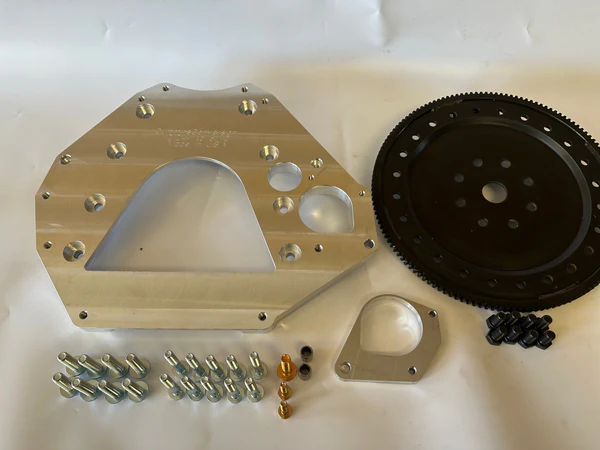
Adapter plates are essential components that allow you to connect a Cummins engine to a transmission that it wasn’t originally designed to work with. These plates maintain the proper alignment of the crankshaft and input shaft, which is crucial for smooth operation and drivetrain longevity.
Engine mounts, on the other hand, secure the engine to the vehicle’s chassis or subframe. They absorb engine vibrations and maintain the engine’s position under various driving conditions.
Both parts play a critical role in performance, safety, and durability during and after the engine swap.
Know Your Cummins Engine Model
Before buying any adapter plate or mount, start by identifying your specific Cummins engine model. Each engine has unique characteristics that affect compatibility:
- 5.9L 12-valve (6BT) – Known for mechanical simplicity and reliability.
- 5.9L 24-valve (ISB) – Offers electronic fuel control and better emissions.
- 6.7L Cummins – Provides higher torque output and modern electronics.
- 3.9L 4BT – A compact, four-cylinder alternative with strong low-end torque.
Important specs to gather include:
- Engine dimensions and weight
- Flywheel size and bolt pattern
- Bellhousing configuration
- Accessory layout (turbo, oil pan, etc.)
This information ensures that all the parts you choose will align correctly and fit within your engine bay.
Match the Transmission Type
Matching your Cummins engine to the right transmission is equally important. Here are common pairings used in Cummins conversions:
- Ford: ZF5, 4R100, 6R140
- GM: TH400, 4L80E, Allison 1000
- Dodge: NV4500, 47RE, 48RE
Each of these transmissions has a different bolt pattern and input shaft, which means you’ll need a specific adapter plate for your selected combo.
Look for complete adapter kits that include:
- CNC-machined adapter plate
- Pilot bushing or torque converter spacer
- Transmission bolts and dowel pins
- Detailed installation instructions
Reputable manufacturers offer high-quality kits tailored to specific setups.
Choosing the Right Adapter Plate
When selecting an adapter plate, prioritize build quality and precision fit:
- Material: Billet aluminum or high-strength steel plates offer superior strength and heat resistance.
- Machining: Plates should be CNC-machined for precise alignment.
- Kit completeness: Some adapter kits include additional parts like torque converter spacers or mounting bolts.
- Brand trust: Stick to established brands with proven performance in Cummins conversions.
Proper alignment is non-negotiable. A misaligned engine-transmission combo can lead to drivetrain stress, transmission failure, and excessive vibration.
Selecting the Right Engine Mounts
Mounts are just as vital as adapter plates. You typically have three options:
- Factory-style mounts – Designed to fit stock mounting points using specialized brackets.
- Universal mounts – More flexible but require custom fabrication and welding.
- Bolt-in kits – Pre-engineered for popular vehicles like Ford Super Duty, Chevy C/K trucks, or Jeep Wranglers.
Key considerations for engine mounts include:
- Frame width and design
- Engine placement and height
- Vibration control (Polyurethane bushings are often preferred)
- Accessory clearance (Alternator, AC compressor, etc.)
High-quality mounts ensure reduced engine movement and better ride comfort, especially under load or during acceleration.
Tips for a Successful Installation
To make your conversion smooth and efficient, keep these tips in mind:
- Mock everything up first: Before final bolting, test fit the engine, mounts, and transmission to check alignment and clearances.
- Account for drivetrain angles: Incorrect angles can cause U-joint failure or vibration issues.
- Use premium hardware: Grade 8 bolts or higher are essential for long-term reliability.
- Check accessory fitment: Plan for turbo location, exhaust routing, and cooling components.
- Don’t forget electronics: Wiring harness compatibility can affect ECU control and sensor functions.
Common Pitfalls to Avoid
Cummins engine conversion is rewarding but requires attention to detail. Avoid these common mistakes:
- Assuming one-size-fits-all: Different Cummins models require unique mounts and adapters.
- Using low-grade parts: Cheaper adapter plates can warp or misalign under stress.
- Ignoring heat and cooling: An undersized radiator or a missing intercooler can lead to overheating.
- Overlooking the driveshaft: Swaps often require custom driveshafts or yoke modifications.
Final Thoughts
A Cummins engine conversion into your vehicle is a powerful upgrade, but success hinges on matching the right adapter plates and engine mounts. From understanding your engine model and transmission type to choosing high-quality components and planning your installation, every detail matters.
By doing your research and investing in proven parts from trusted manufacturers, you’ll end up with a conversion that not only runs reliably but also delivers the performance and power that Cummins engines are known for. Whether you’re building a rock crawler, a heavy-duty hauler, or a custom street truck, this foundation will ensure your project is built to last.
