

Sodium Hydroxide: Everything You Need to Know About This Powerful Compound
Let’s dive into the fascinating world of Sodium Hydroxide, also known as lye or caustic soda. This strong base plays a crucial role in our daily lives and the industrial world. But what makes this chemical so important?
Historical Background
Early Discovery
Sodium Hydroxide was first discovered in the 1800s when scientists began experimenting with electrolysis. Over the years, it transformed from a lab curiosity into a core industrial compound.
Modern Usage Boom
With the industrial revolution came a surge in demand for chemical processes. Sodium Hydroxide became essential in soap making, textile processing, and more.
Physical and Chemical Properties
Appearance and Texture
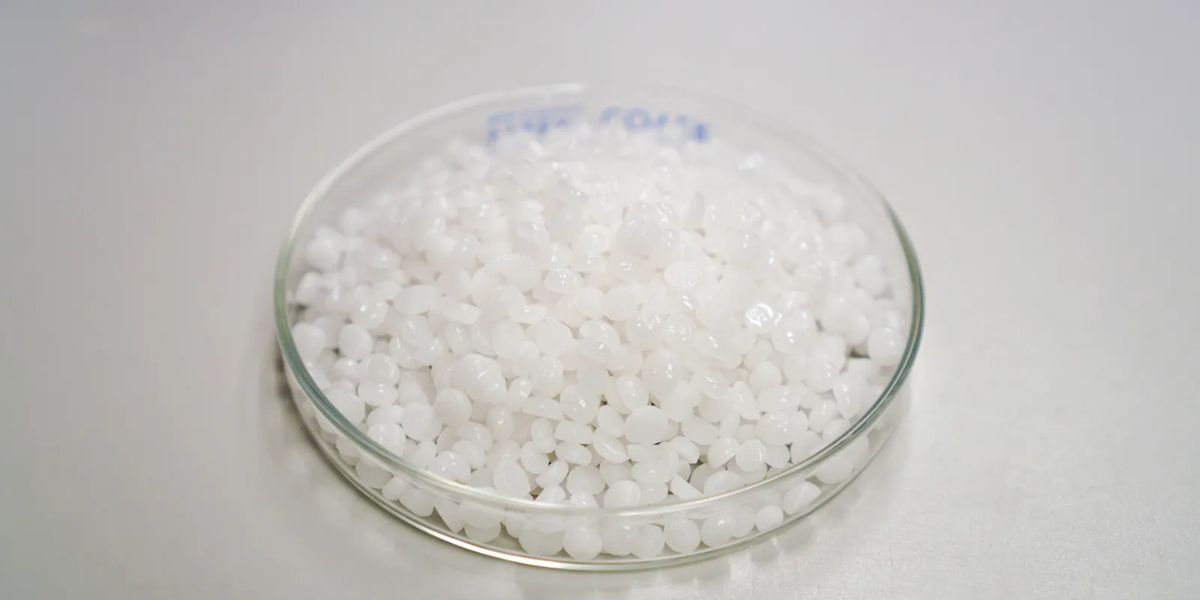
Sodium Hydroxide typically comes in white solid flakes, pellets, or granules. It’s odorless but highly caustic—meaning it can burn you on contact.
Solubility and pH
It dissolves quickly in water and releases heat in the process. Aqueous solutions of sodium hydroxide have a pH close to 14, indicating a very high alkalinity.
Reactive Nature
It reacts violently with acids and even some metals. This strong reaction is precisely why it’s so useful in neutralizing acids and breaking down organic materials.
Industrial Applications
Paper Industry
Pulp and paper manufacturers use sodium hydroxide to break down wood and separate fibers during paper production.
Soap and Detergents
Ever wondered how soap is made? Sodium Hydroxide is a key player in the saponification process—turning fats and oils into soap.
Petroleum Industry
In refineries, sodium hydroxide helps remove sulfur compounds and other contaminants from crude oil, improving fuel quality.
Textile Manufacturing
It softens and processes textiles like cotton, ensuring better dye absorption and smoother textures.
Everyday Uses of Sodium Hydroxide
Drain Openers
If you’ve used a drain cleaner before, chances are it contained sodium hydroxide. It breaks down grease, food waste, and even hair clogs.
Cleaning Products
Used in oven cleaners and industrial degreasers, it dissolves tough grime like a pro.
Water Purification
It helps adjust pH levels and remove heavy metals from water supplies.
Production of Sodium Hydroxide
Electrolysis of Brine
The most common method is electrolysis of saltwater (brine), which produces chlorine gas, hydrogen gas, and sodium hydroxide.
Membrane Cell Process
This newer method is energy-efficient and produces purer sodium hydroxide compared to older techniques.
Diaphragm Cell Method
Although cheaper, this method often results in a product that needs further purification.
Chemical Reactions Involving Sodium Hydroxide
Neutralization Reactions
When it reacts with acids, it forms salts and water—classic chemistry 101.
Saponification
Fats + Sodium Hydroxide = Soap + Glycerin. This reaction is the backbone of traditional soap making.
With Metals and Acids
It can react with aluminum and zinc, releasing hydrogen gas in the process.
Safety Concerns and Hazards
Health Risks
Direct skin contact can cause severe burns. Inhalation of dust or mist can irritate the respiratory tract.
First Aid
Got exposed? Flush the area with water immediately and seek medical attention.
Storage Tips
Store in tightly sealed containers, away from acids and moisture. Always label it properly.
Environmental Impact
Water Pollution
If released into waterways, sodium hydroxide can disrupt ecosystems by altering pH levels.
Disposal Guidelines
Always neutralize it before disposal. Never pour it directly into the sink or soil.
Sodium Hydroxide in Laboratories
Analytical Uses
It’s often used in titrations to determine the concentration of acidic solutions.
Buffer Preparation
It helps in making buffer solutions that are critical for experiments requiring stable pH levels.
Sodium Hydroxide in the Food Industry
Approved Uses
It’s used to peel fruits, process chocolate and soft drinks, and cure certain olives.
Safety in Food
When used correctly and in small amounts, it’s considered safe by food regulatory bodies.
Sodium Hydroxide vs. Other Alkalis
Potassium Hydroxide Comparison
Both are strong bases, but sodium hydroxide is cheaper and more widely used.
Ammonium Hydroxide Differences
Ammonium hydroxide is less caustic and often used in gentler cleaning products.
Sodium Hydroxide and Human Health
Irritation and Burns
It doesn’t just irritate—it destroys. Always use gloves and eye protection.
Chronic Exposure
Long-term exposure can lead to skin damage, chronic lung conditions, and even vision problems.
Regulatory Guidelines and Legal Considerations
Storage and Transport
Transported under strict regulations due to its corrosive nature. Must be labeled with hazard warnings.
Workplace Safety
Industries must comply with OSHA and other regulatory body guidelines for handling caustic substances.
Future Trends and Innovations
Eco-Friendly Alternatives
Researchers are working on less hazardous alternatives and greener production methods.
Improved Handling Systems
Automation and robotics are making handling sodium hydroxide safer in industrial setups.
Conclusion
Sodium Hydroxide might seem like just another chemical, but it’s everywhere—from your kitchen drain to giant industrial plants. Its power and versatility are unmatched, but it demands respect. Handle with care, follow safety guidelines, and this potent compound will continue to serve humanity in incredible ways.
To read More Blog: Caustic Soda Price Trends: Key Factors Shaping the Market
