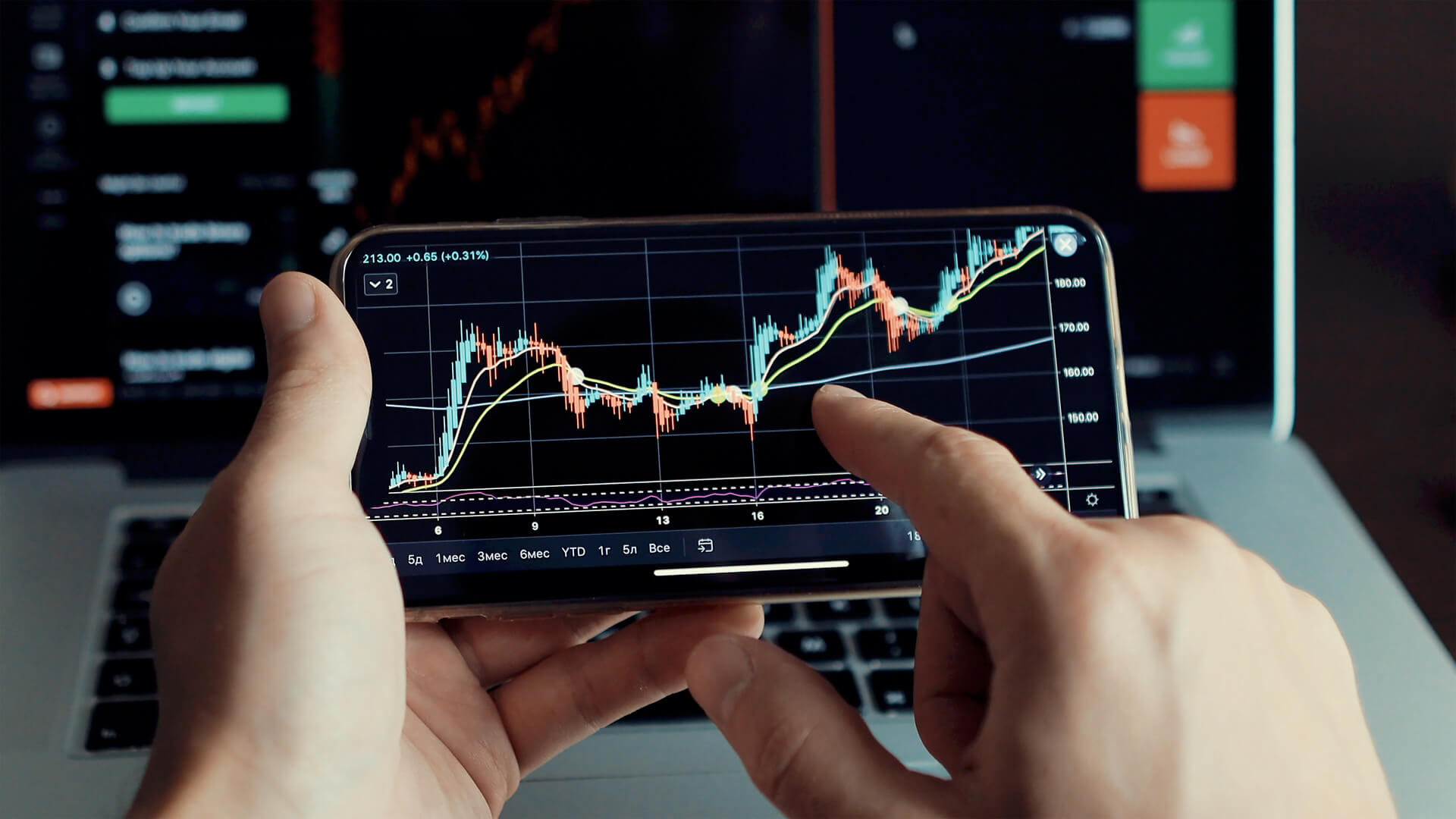
Biggest Risks to the Stock Market in 2025
For decades, the stock market was considered a “go-to” place for people to place their investments and measure the pulse of the economy. With the turn of the year 2025, there are fresh complications for the traders and investors as the picture is changing. Advancements in technology and geopolitical concerns are just some of the emerging factors that could place the global stock market in a state of heightened volatility.
Upon reading this article, you will be acquainted with some of the primary risks that might emerge in the stock market in 2025 while simultaneously learning more about the automated trading apps and low-fee brokerage platforms that might help shield investors from these changes while helping them meet their financial objectives.
Instability of Global Economies and Their Effects
Prevalent International Wars and Their Impact
With everything happening all around the globe, dictatorship conflicts and wars are what pose the greatest threat to the stock market. No matter how one looks at it, superpower countries fighting through conflicts or trade wars is never good for business. As an example, we can consider what happened during the years 2022 to 2023. The Russia-Ukraine conflict not only amplified the world’s supply chain energy prices but also sent stock indices across the world into a frenzy.
If such events suffered similar paradigms in 2025, even greater power plus defense would be more volatile, especially in the energy, defense, and manufacturing sectors.
Investors may shift towards safe-haven assets such as gold, but this movement can further disrupt equity markets.
Economic Separation
The trend of economic separation, particularly with the West and China, continues to evolve and might even have broader effects. Stricter trade policies and a reluctance to share critical technologies may enhance global economic stagnation and heighten uncertainties in capital markets.
What actionable insights can you draw from this?
AI-powered trading apps help you monitor real-time geopolitical shifts and restructure your portfolio in real time. Traders can also be frequent real-time portfolio restructurers without worrying about incurring significant costs, thanks to platforms with low broker fees.
Inflation Along With Increasing Interest Rates
Persistent Inflationary Pressure
Inflation is likely to penalize some sectors more than others through high demand coupled with constricted supply, along with cost-push inflation. Moreover, e-commerce may flourish as people will want to buy stuff and travel less. And retail and travel are likely to suffer the most.
Other commercial banks are likely to impose more aggressive inflation-fighting plans that may result in increased borrowing rates, an increase in lending to businesses, and a decrease in stock prices, resulting in further constricted corporate earnings.
Adaptation Tactics:
Use trading platforms with interlinked financial dashboards containing relevant real-time market data to give traders the ability to assess the impact of changing economic factors, such as interest rate fluctuations on stocks and indexes.
Technology Disruption in Traditional Markets
Artificial Intelligence and Automation of Jobs
The evolution of artificial intelligence (AI) technologies has a dual-edged impact. While companies that adopt AI technologies stand to gain tremendous growth opportunities, industries that have traditionally depended on manual labor are destined to face revenue stagnation. Such trends are bound to create sharp increases and decreases in the market which would lead to an increase in volatility.
Cybersecurity Risks
As more business activities become digital, the risk of cybersecurity threats grows exponentially. A serious cyber security breach of primary banking or brokerage houses may trigger a drastic market decline.
Investor Insight
Using trading applications with unbreakable cyber security walls will become a necessity for all investors. Furthermore, as cybersecurity becomes a more pressing issue, investing in cybersecurity companies can prove to be a lucrative venture.
Climate Change and Regulation
New Policies Affecting Carbon Emissions
Almost every government is proactively dealing with climate change by issuing new policies with a direct focus on carbon emissions. Although welcome for sustainability, this poses a unique conundrum for the stock market. High-emission coal, oil and construction companies may have to deal with operational constraints due to enhanced regulations accompanied by higher costs, which can negatively impact stock valuations.
On the other hand, green and renewable energy sectors, coupled with green technology, may provide new, novel openings to intelligent investors.
Natural Disasters
Increased climate-related natural catastrophes may further disrupt supply chains, agriculture, and real estate, which would add further volatility to the stock market in 2025.
The Use of ESG Tools in Investing
Almost all trading platforms now offer ESG (Environmental, Social, and Governance) scores, which assist investors in pinpointing companies that meet the sustainability prerequisites. These instruments help in addressing ethical investing while maintaining positive portfolio results.
Concerns Over a Global Economic Recession
Economic Standstill
A collection of factors suggests that a global recession could be on the horizon in 2025. Significant national debt levels, stagnant GDP growth, and declining consumer confidence all point to trouble. A worldwide economic slowdown would halt or reduce corporate revenue and spike the risk of bear markets.
Emerging Markets Debt Crisis
Increasing interest rates in developed countries often create a ripple effect for emerging markets that depend on international funding. These economies are likely to undergo a debt crisis, leading to large capital outflows from equity, which will crash the market.
Anticipate the Shocking News:
Low-cost trading services offered by certain platforms allow for low-cost investing, enabling swift changes during times of high economic volatility.
Keeping Pace with the Future: The Role of Technology
The Function of New Generation Trading Applications
Advanced trading applications actively help investors mitigate the impacts of volatility. With enabled real-time analysis and free commission trading, these platforms no longer serve as mere tools for investment for beginners and seasoned investors; they have become fundamental aides.
Seek platforms that include portfolio diversification strategies, risk management tools, and low brokerage fees to maximize your investments in times of market volatility.
Automation and AI in Trading
The emotional component of investing can be removed through automated trading executed by algorithms. AI can execute trades based on set parameters, which allows for better choices during fast-paced market shifts.
What Lies Ahead
Remain Agile and Changeable
In 2025, stock markets face a wide range of threats, including geopolitical risks, new technological innovations, and climate change. For investors, staying updated and willing to change becomes extremely important. Turning risks into opportunities by using the latest technology, like trading apps, targeting high-growth sectors such as green energy and AI, and trading with low-cost brokerage platforms becomes easier.
Nobody will deny the fact that we can’t estimate market moves with absolute precision, but the ability to face and shift strategies towards new challenges will greatly influence one’s success in the changing world of finance.