

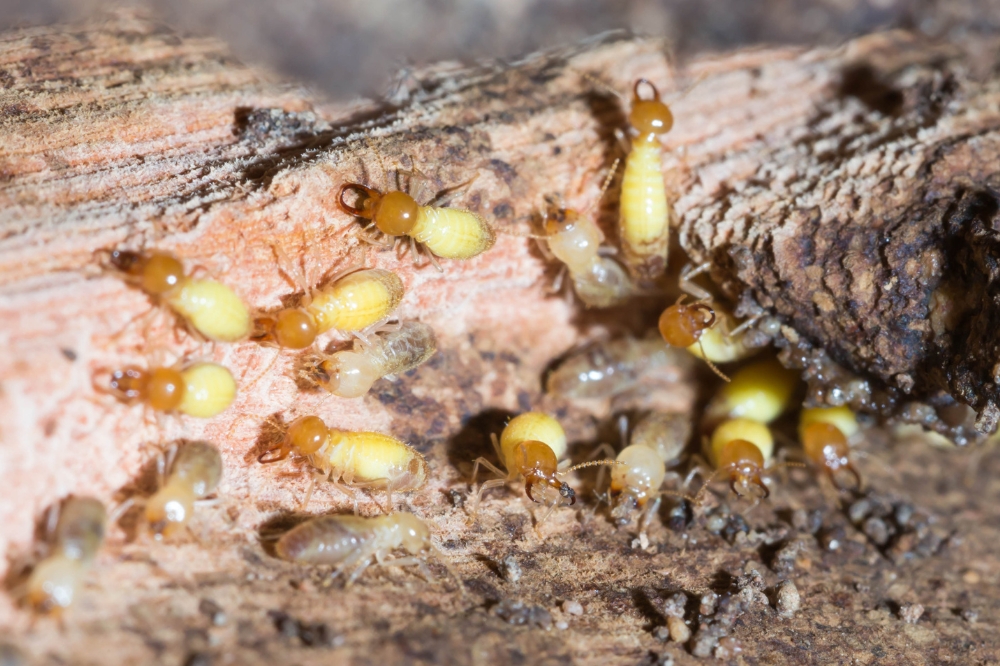
Subterranean vs. Drywood Termites: Treatment Strategies for Each Type
Termites are among the most destructive pests a homeowner can face, capable of silently compromising a home’s structural integrity. But not all termites are the same. The two most common types found in residential structures—subterranean and drywood termites—differ in behavior, habitat, and the methods required to eliminate them. Understanding these differences is crucial for choosing the right termite treatment strategy and ensuring long-term protection.
This article explores the key differences between subterranean and drywood termites and outlines effective treatment options tailored to each type.
Understanding the Difference: Subterranean vs. Drywood Termites
1. Subterranean Termites
Habitat:
Subterranean termites live in the soil and build elaborate mud tubes to reach above-ground food sources like wood structures. They require a moist environment to survive and are most commonly found near a home’s foundation, basements, and crawl spaces.
Behavior:
They travel through the soil and work as a large, coordinated colony—often numbering in the hundreds of thousands. These termites are especially aggressive and are responsible for the majority of termite damage in North America.
Signs of Infestation:
- Mud tubes along walls, foundations, or support piers.
- Hollow-sounding wood.
- Swarming in spring or after rainfall.
- Discarded wings near doors or windows.
2. Drywood Termites
Habitat:
Drywood termites do not require contact with soil or moisture sources. Instead, they live entirely inside dry wood and often infest attics, roof framing, furniture, or wooden beams.
Behavior:
Drywood termites live in much smaller colonies (usually a few thousand), and their spread tends to be slower. However, they can be harder to detect until significant damage is done because they remain hidden inside the wood.
Signs of Infestation:
- Tiny piles of frass (termite droppings) resembling sawdust.
- Blistered or uneven surfaces on painted wood.
- Hollow-sounding or brittle wood.
- No visible mud tubes.
Treatment Strategies for Subterranean Termites
Because subterranean termites nest in soil and need moisture, treatment methods are designed to create chemical or physical barriers that eliminate or prevent access to your home.
1. Liquid Soil Treatments (Termiticides)
This is the most widely used method to treat subterranean termites. A professional applies a long-lasting liquid chemical around the home’s foundation to kill termites and block entry.
- Effectiveness: Up to 10 years with proper application.
- Pros: Immediate results and long-term protection.
- Cons: May require trenching or drilling around the structure.
2. Baiting Systems
Bait stations are installed in the ground around the property. Termites consume the bait and carry it back to the colony, effectively killing it off over time.
- Effectiveness: High if regularly monitored and maintained.
- Pros: Environmentally friendly, non-invasive.
- Cons: Takes time to reduce or eliminate the colony.
3. Foam and Spot Treatments
Used in addition to soil treatments for areas where termites are active above ground, such as inside walls or wood framing.
- Effectiveness: Good for localized infestations.
- Pros: Targeted application, minimal disruption.
- Cons: Limited in scope—usually not standalone treatment.
4. Moisture Management and Habitat Modification
Since subterranean termites thrive in damp conditions, reducing moisture around your home is critical.
- Fix leaks and drainage issues.
- Use dehumidifiers in crawlspaces and basements.
- Eliminate wood-to-ground contact.
5. Professional Monitoring and Maintenance
Annual inspections and maintenance by a licensed pest control provider ensure the integrity of the barrier and help catch new infestations early.
Treatment Strategies for Drywood Termites
Drywood termites present a different challenge since they nest and live entirely within the wood. As a result, treatment focuses on penetrating the wood itself.
1. Fumigation (Tent Treatment)
Fumigation is the most comprehensive method for eradicating drywood termites. The structure is sealed (tented), and gas is released to permeate the wood and kill termites throughout the home.
- Effectiveness: Nearly 100% kill rate.
- Pros: Reaches all areas, including hidden infestations.
- Cons: Expensive, requires vacating the home for 2–3 days, no residual protection.
2. Localized (Spot) Treatments
This involves applying termiticides directly into the wood or the entry points of the termites.
- Options include: Liquid sprays, foam, dust, or injections.
- Effectiveness: Good for small or early infestations.
- Pros: Cost-effective, no need to leave the home.
- Cons: May miss hidden colonies or unreachable areas.
3. Heat Treatment
This method involves heating the infested area to temperatures lethal to termites (typically 120°F–140°F).
- Effectiveness: High when properly applied.
- Pros: Chemical-free, eco-friendly.
- Cons: Requires special equipment, and improper use can damage sensitive materials.
4. Wood Treatment and Preventive Products
Wood can be treated with borate-based preservatives to kill active infestations and prevent future ones.
- Effectiveness: Long-lasting when applied correctly.
- Pros: Dual action—kills existing termites and deters future infestations.
- Cons: Requires direct access to the wood (usually done during construction or renovation).
5. Furniture and Small-Item Treatments
Because drywood termites often infest furniture, smaller infested items can sometimes be treated in gas chambers or with localized freezing.
Key Differences in Treatment Approaches
| Feature | Subterranean Termites | Drywood Termites |
|---|---|---|
| Nest Location | Underground in soil | Inside dry wood |
| Colony Size | Up to millions | A few thousand |
| Entry Method | Through foundation, mud tubes | Directly into exposed wood |
| Best Treatment | Liquid barrier, bait systems | Fumigation, localized wood treatments |
| Monitoring Needs | High – requires ongoing soil and bait checks | Moderate – check furniture and beams regularly |
| Moisture Control Important? | Absolutely essential | Less critical |
Final Thoughts: Choosing the Right Treatment
When it comes to termites, correct identification is the first step. Subterranean and drywood termites behave differently and require tailored treatment strategies.
- For subterranean termites, focus on soil treatments, bait systems, and moisture control.
- For drywood termites, the emphasis should be on fumigation, localized treatments, and wood preservation.
If you’re unsure what type of termite you’re dealing with, always consult a licensed pest control professional. They can perform a thorough inspection, identify the species, and recommend a treatment plan suited to your specific situation.
Pro Tip: Prevention Is Always Better
While effective treatments exist for both termite types, preventing an infestation in the first place is the best defense. Regular inspections, keeping wood dry, maintaining barriers, and addressing issues promptly can save you thousands in repair costs and ensure your home stays termite-free.

