


Are MS Plates the Right Fit for Your Design?
When it comes to material selection for architectural and industrial designs, the choice often determines the success, durability, and cost-efficiency of the project. One of the most commonly used materials in modern construction and fabrication is the MS Plate, also known as Mild Steel Plate. But the big question remains—Are MS Plates the right fit for your design? This article dives deep into the composition, types, applications, and benefits of MS plates, helping you evaluate whether this material is the best choice for your structural or aesthetic project needs.
Understanding the Composition and Characteristics of MS Plates
Mild Steel Plates are made from low carbon steel, generally containing around 0.05% to 0.25% of carbon by weight. This low carbon content makes them extremely malleable and ductile, while still retaining adequate strength for structural applications. MS plates are known for their ability to be easily welded, cut, and formed into various shapes, which is why they are a favorite in many industries.
The simplicity in composition offers several advantages. Unlike high-carbon steel, which can become brittle, MS plates provide a balance between strength and flexibility. This makes them ideal for designs requiring bending or reshaping without risking fracture or structural failure.
Common Types of MS Plates Available in the Market
MS plates are available in a variety of forms, each tailored to specific uses:
Hot Rolled MS Plates
Hot rolled MS plates are manufactured using a hot rolling process at high temperatures. These are commonly used in construction and fabrication where precise dimensions are not a critical requirement. Their slightly rough surface finish makes them better suited for applications like structural frameworks, bridges, and heavy machinery bases.
Cold Rolled MS Plates
These plates are processed at room temperature after hot rolling. The result is a smoother, more refined surface and tighter tolerances. Cold rolled MS plates are often used in applications where precision and surface quality are important, such as in automotive panels or furniture manufacturing.
Galvanized MS Plates
To enhance corrosion resistance, some MS plates are coated with a layer of zinc through a process called galvanization. Galvanized MS plates are ideal for outdoor applications or environments where the material will be exposed to moisture or chemicals.
The Role of MS Plates in Different Industries
One of the key strengths of MS Plates lies in their versatility. They are employed in a wide range of industries, each utilizing the material for specific purposes.
Construction and Civil Engineering
MS plates are foundational in the construction industry. They are used in building frames, bridges, support structures, and scaffolding. Their load-bearing capacity and adaptability to welding and bending make them suitable for both temporary and permanent structures.
Automotive and Transport Sector
Due to their strength and malleability, MS plates are used in manufacturing vehicle frames, chassis, and other automotive components. Their ability to absorb impact and resist deformation under stress ensures better safety and performance.
Machinery and Heavy Equipment
In industrial settings, MS plates are used in the fabrication of machinery, storage containers, tanks, and manufacturing tools. They offer reliability in high-stress applications, where precision and durability are critical.
Decorative and Interior Design
Interestingly, MS plates are also gaining traction in interior design and decorative applications. Their raw, industrial appearance complements Modern Architectural Themes. When treated or painted, they can become both functional and aesthetically pleasing.
Benefits That Make MS Plates a Practical Choice
Choosing MS Plates for your project comes with several advantages that can positively impact both the design and execution stages.
Cost-Effective Material Solution
One of the most attractive features of MS plates is their affordability. Compared to other metals like stainless steel or aluminum, MS plates offer a more economical option without compromising on quality or performance for most general-purpose applications.
Easy to Fabricate and Work With
Thanks to their ductile and malleable nature, MS plates can be easily cut, drilled, bent, and welded. This flexibility is especially valuable in custom fabrication projects where components must be shaped or modified on-site.
Availability in Various Grades and Thicknesses
MS plates are available in a wide range of sizes, grades, and thickness levels. This allows designers and engineers to choose a plate that exactly matches their structural needs or aesthetic vision, providing greater control over the design outcome.
Environmentally Friendly and Recyclable
Mild steel is 100% recyclable. This means that once MS plates have outlived their use in a project, they can be repurposed or recycled, making them an environmentally responsible choice for sustainable construction practices.
Design Considerations When Using MS Plates
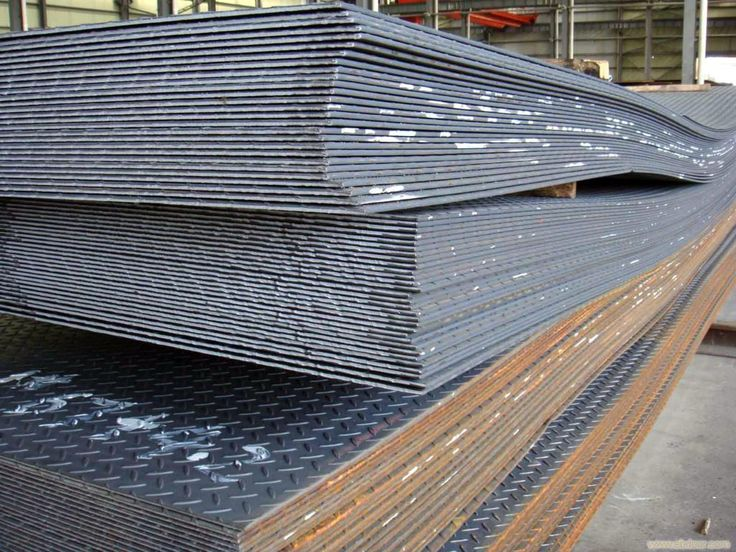
While MS plates offer multiple benefits, it’s essential to consider a few design aspects before finalizing them for your project.
Load-Bearing Requirements
Ensure the MS plate you choose has the required strength and thickness to support the anticipated load. Overestimating or underestimating this aspect could compromise the structure’s integrity.
Environmental Exposure
If the plates will be exposed to moisture, saltwater, or chemicals, consider using galvanized MS plates or applying additional protective coatings to prevent corrosion.
Finishing and Aesthetic Needs
If your project is design-sensitive or has visible elements, consider cold-rolled or treated MS plates for a smoother finish and better visual appeal. MS plates can also be powder-coated or painted to match your interior or exterior design palette.
Comparing MS Plates with Other Metal Options
To make an informed decision, it helps to compare MS plates with other metal materials commonly used in similar applications.
- MS Plates vs Stainless Steel: Stainless steel is corrosion-resistant but significantly more expensive. MS plates are more cost-effective but need protective treatments in corrosive environments.
- MS Plates vs Aluminum: Aluminum is lighter but not as strong or durable as MS plates in structural applications.
- MS Plates vs High Carbon Steel: High carbon steel is stronger but more brittle and difficult to weld. MS plates are easier to work with and ideal for projects needing flexibility.
When Are MS Plates Not the Right Choice?
Despite their versatility, MS plates may not be suitable for every scenario. For example, in environments requiring extreme corrosion resistance (like marine applications), stainless steel or other corrosion-resistant alloys may be a better choice. Also, if the project requires ultra-lightweight components, aluminum might be more appropriate.
Understanding these limitations helps in better planning and material selection that aligns with the functional demands of your project.
Conclusion
So, are MS plates the right fit for your design? The answer largely depends on the specific needs of your project. For structures requiring strength, affordability, ease of fabrication, and wide availability, MS Plates offer a reliable and versatile solution. However, designers should also consider environmental conditions, aesthetic requirements, and long-term maintenance when making a final decision. With proper planning and application, MS Plates can serve as the backbone of durable, efficient, and even stylish design outcomes.
For more insightful articles related to this topic, feel free to visit: houstonstevenson