

Shopfront Shutter: The Ultimate Protection for Your Business
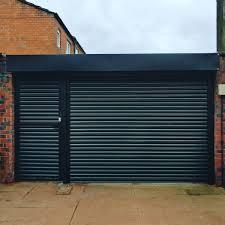
Every business owner knows that first impressions matter—but so does security. That’s where a shopfront shutter comes in. It’s more than just a metal screen—it’s your store’s first line of defense and a reflection of your brand after hours.
In this complete guide, we’ll break down everything you need to know about shopfront shutters—from types and benefits to installation tips and maintenance.
Table of Contents
| Sr# | Headings |
|---|---|
| 1 | What Is a Shopfront Shutter? |
| 2 | Why Your Business Needs One |
| 3 | Types of Shopfront Shutters |
| 4 | Manual vs. Electric Shutters |
| 5 | Material Choices: Steel, Aluminium & More |
| 6 | Security Benefits |
| 7 | Design & Aesthetic Options |
| 8 | Weather Protection and Insulation |
| 9 | Noise Reduction for Urban Settings |
| 10 | Fire-Resistant Shutters |
| 11 | Cost Breakdown: What to Expect |
| 12 | Installation Process |
| 13 | Maintenance Tips for Long Life |
| 14 | Common Problems & How to Fix Them |
| 15 | Choosing the Right Supplier or Installer |
1. What Is a Shopfront Shutter?
A shopfront shutter is a protective barrier installed over the exterior of a shop’s entrance and windows. It rolls or folds down when your store is closed, keeping your property safe from break-ins, vandalism, and harsh weather.
Think of it as a suit of armor for your business.
2. Why Your Business Needs One
Why take risks with your livelihood? Shopfront shutters:
- Deter intruders
- Protect glass windows
- Lower insurance costs
- Keep out dust and debris
- Boost your property’s value
Whether you run a high-street boutique or a corner café, security should never be an afterthought.
3. Types of Shopfront Shutters
There’s no one-size-fits-all. Choose what suits your needs:
- Roller shutters – Most common, easy to use
- Perforated shutters – Secure, but allow visibility
- Transparent shutters – Made of polycarbonate for full view
- Grill-style shutters – Offer ventilation and security
- Sliding shutters – Ideal for wide storefronts
Each style balances security, visibility, and ventilation.
4. Manual vs. Electric Shutters
- Manual shutters are cost-effective and great for smaller shops.
- Electric shutters offer convenience with remote control or switches—ideal for larger stores or busy staff.
Electric options often come with backup systems in case of power outages.
5. Material Choices: Steel, Aluminium & More
The material matters:
- Steel – Ultra-secure, heavy-duty
- Aluminium – Lightweight, rust-resistant
- Polycarbonate – Clear and tough
- Stainless steel – Premium strength and finish
Aluminium is a popular pick for balancing security and appearance.
6. Security Benefits
Shopfront shutters are a visible deterrent to criminals. Studies show that properties with visible security features are less likely to be targeted.
Shutters also help prevent:
- Smash-and-grab thefts
- After-hours vandalism
- Forced entry through doors/windows
7. Design & Aesthetic Options
Worried shutters will ruin your shop’s look? Modern designs are sleek and can even enhance your storefront. You can choose:
- Custom colors
- Branded finishes
- Powder coating for durability
- Stylish grille patterns
Who says secure can’t be stylish?
8. Weather Protection and Insulation
Rain, wind, hail, or sun—shutters protect your storefront from the elements. Plus, they help:
- Maintain indoor temperature
- Reduce energy bills
- Protect merchandise from UV damage
It’s like giving your store its own little jacket.
9. Noise Reduction for Urban Settings
If your business is in a busy area, shopfront shutters can reduce outside noise, creating a quieter, more pleasant atmosphere inside your store.
They also keep your peace intact while you’re closed for the day.
10. Fire-Resistant Shutters
Some shutters come with fire-rated materials, adding an extra layer of safety. This is especially useful for:
- Restaurants
- Workshops
- Electronics shops
Fire-resistant shutters can limit fire spread and buy time for emergency response.
11. Cost Breakdown: What to Expect
Shutter pricing varies based on:
- Size of the storefront
- Material used
- Manual vs. electric
- Custom designs
Expect to pay £500–£2,000+, depending on your choices. Always factor in installation costs and maintenance.
12. Installation Process
A professional installer will:
- Measure your shopfront
- Recommend the best shutter type
- Fit the shutters securely
- Test the system thoroughly
Installations usually take 1–2 days and are best done during off-hours.
13. Maintenance Tips for Long Life
Keep your shutters in top shape:
- Clean regularly
- Lubricate moving parts
- Check for signs of rust
- Test the locking mechanism
- Schedule professional servicing annually
A little care goes a long way in keeping your shutters strong.
14. Common Problems & How to Fix Them
Here are a few issues you might face:
- Jammed shutter: Often caused by dirt or rust
- Noisy operation: Needs lubrication
- Remote not working: Check batteries or motor
- Misalignment: Call a technician to realign tracks
Don’t ignore problems—they tend to get worse with time.
15. Choosing the Right Supplier or Installer
Look for:
- Experience and certifications
- Warranty and after-sales service
- Positive customer reviews
- 24/7 emergency repair availability
It’s worth investing in quality when it comes to your store’s security.
Final Thoughts
A shopfront shutter is more than just a door cover—it’s your peace of mind after hours. With so many options in design, material, and automation, there’s something for every business type and budget.
