The Ultimate Guide to Shop Fronts: First Impressions That Sell
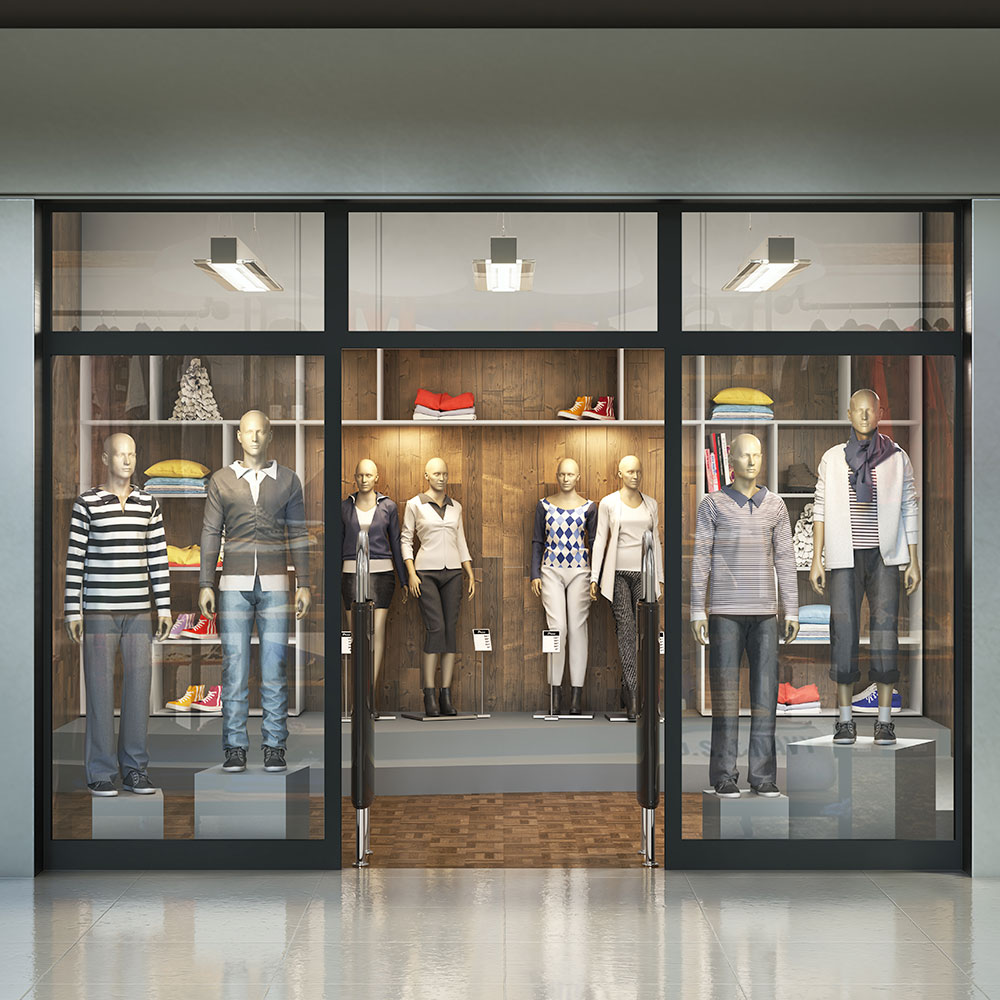
They say you never get a second chance to make a first impression. For any retail store, salon, café or showroom — that first impression is your shop front. It’s the face of your business, the “hello” before anyone even steps inside. A great shop front doesn’t just look good — it invites people in, showcases your brand, and builds trust.
In this guide, we’ll walk you through everything you need to know about creating or upgrading your shop front — with real-world advice and clear tips to help you make the best choice for your business.
Table of Contents
| Sr# | Headings |
|---|---|
| 1 | What Is a Shop Front? |
| 2 | Why Your Shop Front Matters |
| 3 | Types of Shop Fronts |
| 4 | Key Elements of a Successful Shop Front |
| 5 | Shop Front Design: What to Consider |
| 6 | Glass vs. Aluminium vs. Timber |
| 7 | Security Features for Shop Fronts |
| 8 | Branding Through Your Shop Front |
| 9 | Accessibility and Legal Requirements |
| 10 | Planning Permissions Explained |
| 11 | Common Mistakes to Avoid |
| 12 | How Lighting Can Transform Your Shop Front |
| 13 | Cost Breakdown and Budgeting Tips |
| 14 | Installation and Maintenance Tips |
| 15 | Final Thoughts |
1. What Is a Shop Front?
A shop front is the exterior part of your retail or commercial building, typically including windows, doors, signage, and display areas. It’s what customers see from the street and what can entice them to step inside.
Think of it like a billboard, security guard, and welcome mat — all in one.
2. Why Your Shop Front Matters
First impressions can make or break a sale. A clean, well-designed shop front:
- Attracts foot traffic
- Reflects your brand’s professionalism
- Helps customers feel safe and welcomed
- Distinguishes you from nearby competitors
In a busy street, it’s what sets you apart.
3. Types of Shop Fronts
There are several types, and the right one depends on your business needs:
- Frameless Glass Shop Fronts – Sleek, modern and perfect for high-end retail.
- Aluminium Shop Fronts – Durable and low maintenance, popular across industries.
- Timber Shop Fronts – Traditional and charming, great for boutique shops.
- Toughened Glass Fronts – For extra security with maximum visibility.
4. Key Elements of a Successful Shop Front
A great shop front usually includes:
- Large, clean display windows
- Clearly visible signage
- Easy-to-use entrance
- Lighting that draws attention
- Consistent branding
All these elements work together to pull people in.
5. Shop Front Design: What to Consider
When designing your front, consider:
- Target audience – What will appeal to them visually?
- Business hours – Do you need shutters for after-hours security?
- Signage visibility – Can people see your name from across the road?
- Lighting – Does it stand out during both day and night?
6. Glass vs. Aluminium vs. Timber
Each material offers pros and cons:
Glass:
- Clear visibility
- Modern appearance
- Needs regular cleaning
Aluminium:
- Strong and secure
- Low maintenance
- Suitable for automatic doors
Timber:
- Stylish and traditional
- Requires more upkeep
- Adds unique charm
7. Security Features for Shop Fronts
Security is just as important as style. Consider adding:
- Roller shutters or grilles
- Reinforced or laminated glass
- CCTV systems
- Access control systems
Security features not only protect your store but can reduce insurance costs too.
8. Branding Through Your Shop Front
Your shop front is free advertising. Use it wisely:
- Add your logo
- Use brand colours consistently
- Tell a story with your display
- Update seasonally to stay relevant
Your brand should be recognisable even before someone reads the sign.
9. Accessibility and Legal Requirements
Under the Equality Act 2010, shop fronts must be accessible. This includes:
- Step-free access
- Easy-to-open doors
- Clear signage
- Visual contrast for those with impaired vision
An accessible entrance is welcoming to everyone — and it’s the law.
10. Planning Permissions Explained
In the UK, you might need planning permission if:
- You’re changing the structure of the front
- You’re installing new signage or lighting
- You’re in a conservation area
Always check with your local council before making changes.
11. Common Mistakes to Avoid
Some shop front pitfalls include:
- Cluttered displays
- Faded or broken signage
- Poor lighting
- Dirty or damaged windows
- Inconsistent branding
Remember, customers judge a book by its cover — so make yours appealing.
12. How Lighting Can Transform Your Shop Front
Good lighting can:
- Highlight products
- Make your shop feel safer at night
- Attract attention even after hours
- Improve your brand image
Consider spotlights, LED strips, and soft-glow signage.
13. Cost Breakdown and Budgeting Tips
Costs can vary based on materials and design:
- Basic glass front – £2,000–£4,000
- Aluminium front with doors – £3,000–£6,000
- Custom timber design – £4,000–£10,000+
Budget tip: plan for both installation and long-term maintenance.
14. Installation and Maintenance Tips
Professional installation ensures safety and durability. Once installed:
- Clean glass regularly
- Check locks and hinges
- Repaint or refinish timber
- Service doors annually
Treat your shop front like an asset — because it is.
15. Final Thoughts
Your shop front is more than an exterior — it’s a powerful business tool. It invites, protects, promotes, and performs. With thoughtful design and regular upkeep, it can attract more customers and help your brand thrive.