How Technological Breakthroughs Are Changing Oral Hygiene
Maintaining oral hygiene has always been an essential component of overall health. From traditional brushing and flossing to six-monthly dental check-ups, good oral care habits have stood the test of time. However, as technology continues to advance, it is transforming even the most routine practices, including how we clean, monitor, and manage our teeth and gums. Today, technological innovations are not only enhancing our daily oral care routines but also empowering dental professionals to offer more accurate, personalised treatment.
Let’s explore the fascinating ways in which these breakthroughs are reshaping oral hygiene for the better.
Traditional Oral Hygiene vs. Modern Practices
Before the digital revolution, most people maintained oral hygiene with simple tools like manual toothbrushes, string floss, and fluoride mouthwash. While still effective, these methods can lack consistency. Manual brushing often misses certain areas, which may lead to plaque build-up and gum disease.
Today, technology plays a growing role in daily oral care, offering more precision and support through advanced tools.
Key advancements include:
Smart toothbrushes with sensors and real-time feedback for better brushing technique
Mobile dental apps that track habits and offer personalised advice
AI integration that helps identify issues early and suggests solutions
Remote consultations, making dental care more accessible
These tools are designed to guide users, improve technique, and support overall oral health, all from the comfort of home. By adopting these innovations, users can achieve a more thorough and effective oral hygiene routine.
Smart Toothbrushes and AI Integration
Smart toothbrushes represent a significant advancement in daily dental care. These devices are more than just electric brushes, they come equipped with sensors, pressure detectors, and Bluetooth connectivity that allow them to sync with mobile apps. By doing so, they offer users detailed feedback on their brushing habits, including how long they brush, the pressure applied, and which areas they may be missing.
Many smart toothbrushes also use AI technology to map the mouth in real-time, highlighting missed zones and guiding users towards better technique. This approach not only appeals to younger users through gamified brushing experiences but also aids your dentist in Sheffield in providing tailored recommendations based on your brushing data.
Key benefits of smart toothbrushes:
Real-time brushing feedback
Timers and zone monitoring
Customised brushing plans
Syncing with dental check-up data
Together, these features help build healthier and more effective oral hygiene habits.
Oral Health Monitoring Apps and Wearables
The rise of mobile apps in oral hygiene has made tracking and maintaining oral care easier than ever. Many apps offer features such as reminders, educational videos, and even symptom checkers that advise you, before visiting a hygienist in Sheffield whether consultation is needed.
Some apps go a step further by integrating with smart wearables that analyse saliva composition, hydration levels, or even bacterial activity. These wearables are still in early stages, but their potential to offer real-time alerts about developing oral health issues is promising.
Here’s a quick comparison of app features:
Brushing reminders are available in both oral health apps and device integrations.
Symptom tracking is supported by both apps and device integrations.
Saliva pH analysis is only available with device integration using wearables.
Virtual dental coaching is offered by oral health apps but not device integrations.
Laser and Light-Based Technologies
At-home LED whitening kits and laser-based therapy tools are gaining popularity among those looking to improve their smile’s appearance and boost gum health. One common example is blue light technology used in whitening trays, which activates peroxide-based gels to deliver faster, noticeable results.
More advanced light-based treatments are now being developed with the aim of reducing harmful oral bacteria and enhancing blood circulation in the gums. While these innovations are promising, they are not yet replacements for professional dental cleanings performed by a hygienist in Sheffield.
Key benefits of light-based oral care devices:
Accelerate teeth whitening through light activation
Help reduce bacteria contributing to gum disease
Improve gum tissue health by stimulating circulation
These tools serve as effective supplements to traditional dental care routines, supporting better oral hygiene between professional visits and helping maintain a healthy smile.
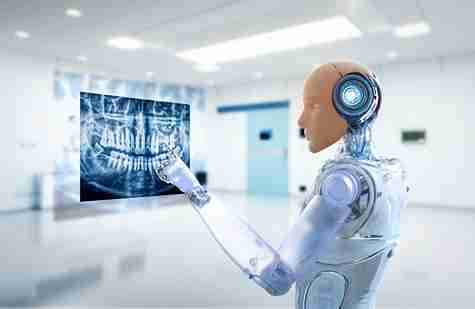
The Role of AI in Diagnostics and Personalisation
Artificial Intelligence is transforming dental diagnostics by enabling professionals to analyse X-rays and 3D scans with impressive accuracy. This technology can detect cavities, misalignments, and even early signs of oral cancer, enhancing early diagnosis.Additionally, AI supports dentists in developing personalised care plans tailored to each patient’s dental data. These advanced tools help predict potential problems and suggest targeted treatments.
Key benefits of AI in dentistry include:
Accurate analysis of dental images
Early detection of oral health issues
Customised treatment recommendations
Improved long-term oral health management
This integration of AI is driving more precise and proactive dental care.
Video link- Professional Dental Hygienist Services – Keep Your Smile Healthy!
Teledentistry and Virtual Consultations
Teledentistry is one of the most transformative advancements in modern dental care. Through secure video calls and mobile platforms, patients can consult with dental professionals without leaving their home. Whether it’s a follow-up check, emergency query, or cosmetic assessment, virtual consultations provide a convenient and efficient solution.
This innovation is especially beneficial for:
Individuals in rural or underserved areas
Those with mobility challenges
Patients requiring second opinions or specialist input
For instance, a dentist in Sheffield can review a photo or video of a patient’s issue and determine if an in-person visit is necessary, thus saving time and reducing anxiety for many.

Challenges and Considerations
Despite the obvious advantages, there are some challenges to consider when integrating technology into oral care routines:
Cost: High-end smart brushes and diagnostic tools can be expensive.
Accessibility: These advancements are not equally available to all groups.
Privacy: Apps and wearables that store health data raise concerns about digital privacy.
Over-reliance: Technology should support, not replace, regular visits to a dental professional.
Conclusion
Technological advancements are transforming oral hygiene, offering smarter, more personalised ways to care for our teeth. Innovations like AI-powered toothbrushes and virtual dental consultations enhance daily routines and help dental professionals provide more precise, informed treatment. Nonetheless, technology is most effective when used alongside conventional dental treatments. Regular consultations with professionals ensure these tools are used correctly and any underlying problems are promptly addressed.
At Sheffield, we believe that integrating expert dental knowledge with modern technology empowers individuals to manage their oral health more effectively than ever before, leading to healthier smiles and improved overall wellbeing.