

Why Texture Plays a Bigger Role Than You Think

Texture is often the silent narrator in a room’s story. It doesn’t scream for attention like color or beg for praise like furniture. Yet, walk into any space and close your eyes, and you’ll still feel it. It surrounds you through the coolness of a stone floor, the warmth of a wool blanket, the roughness of a painted brick wall. Texture plays with your senses before you even know it.
In an era obsessed with visuals, texture works in the background—modest, yet deeply powerful. It defines the emotional temperature of a room. It turns sterile environments into lived-in homes. It whispers memories of nature and craftsmanship into sleek, modern interiors.
Let’s peel back the layers and explore how texture holds the real power in shaping the spaces we live in.
When Walls Speak in Silence
We’ve long been conditioned to treat walls as blank canvases for art or color. But what if the wall itself is the art? Textured walls—plaster, limewash, exposed brick, microcement—bring depth without decoration. They offer visual rhythm, tonal gradients, and a sense of place that can’t be replicated with flat paint.
A plaster wall absorbs and reflects light uniquely throughout the day. It softens sunlight in the morning and holds onto shadows in the evening. It introduces movement into a room even when everything is still.
These walls aren’t just backdrops. They shape how you feel inside a space. You lean in, you run your hand across them. And suddenly, you’re connected to something older, rawer, and more human.
Floors That Invite More Than Footsteps
There’s no such thing as a silent floor. Whether it’s the smooth glide of polished concrete or the tactile resistance of sisal, your feet are in constant dialogue with texture. This conversation may be subtle, but it deeply influences your comfort, awareness, and mood.
Take wood. A sanded plank underfoot feels soft yet grounded. A hand-scraped oak floor tells you stories with every step. Tiles, when left unglazed or matte, add a coolness that slows your pace, asks you to notice them.
Texture in flooring influences how you move, where you pause, and even how much noise a room makes. Think of it as choreography: every texture a cue.
Fabrics That Hold Emotion
There’s nothing generic about a textured fabric. Linen whispers of breezy summers. Velvet holds the heaviness of winter. Bouclé feels like a soft rebellion against the overly sleek. In a modern home, textiles often hold the most emotional charge.
Drape a wool throw over a metal chair and you soften its edge. Toss a nubby cushion on a smooth leather sofa and you create tension. Fabric adds soul to precision. It invites lingering. It wraps you up.
Texture in fabrics does more than dress a room; it allows it to emote. It becomes the comfort, the elegance, the memory.
Where Utility Meets Aesthetic Intimacy
Not every texture has to be soft to be powerful. In fact, one of the most overlooked ways texture shows up is in functional elements. Radiators, for instance, are rarely thought of as design pieces—until you meet one that commands attention.
This is especially true of features like the Paladin Clarendon Column Radiator. Its bold, tactile ridges don’t just heat the room; they ground it. The texture is both visual and physical, adding a sense of weight, tradition, and craftsmanship.
Placed against a plaster wall or beneath a large window, it becomes a sculptural statement—a marriage of utility and art. Texture in such elements turns the mundane into the memorable. The radiator is no longer an afterthought. It’s part of the room’s personality.
Light Is Texture’s Co-Conspirator
Texture and light are inseparable. One cannot truly live without the other. Light is what animates texture, brings it to life, and allows it to shift throughout the day. A heavily textured surface will never look the same from morning to dusk.
A coarse ceramic lamp throws erratic shadows. A hammered metal pendant dances with glimmers. Even a woven curtain, kissed by the sun, creates patterns on the floor.
Texture becomes dynamic through light. And in well-designed spaces, light is used not just to illuminate but to activate every material’s story.
The Power of Negative Texture
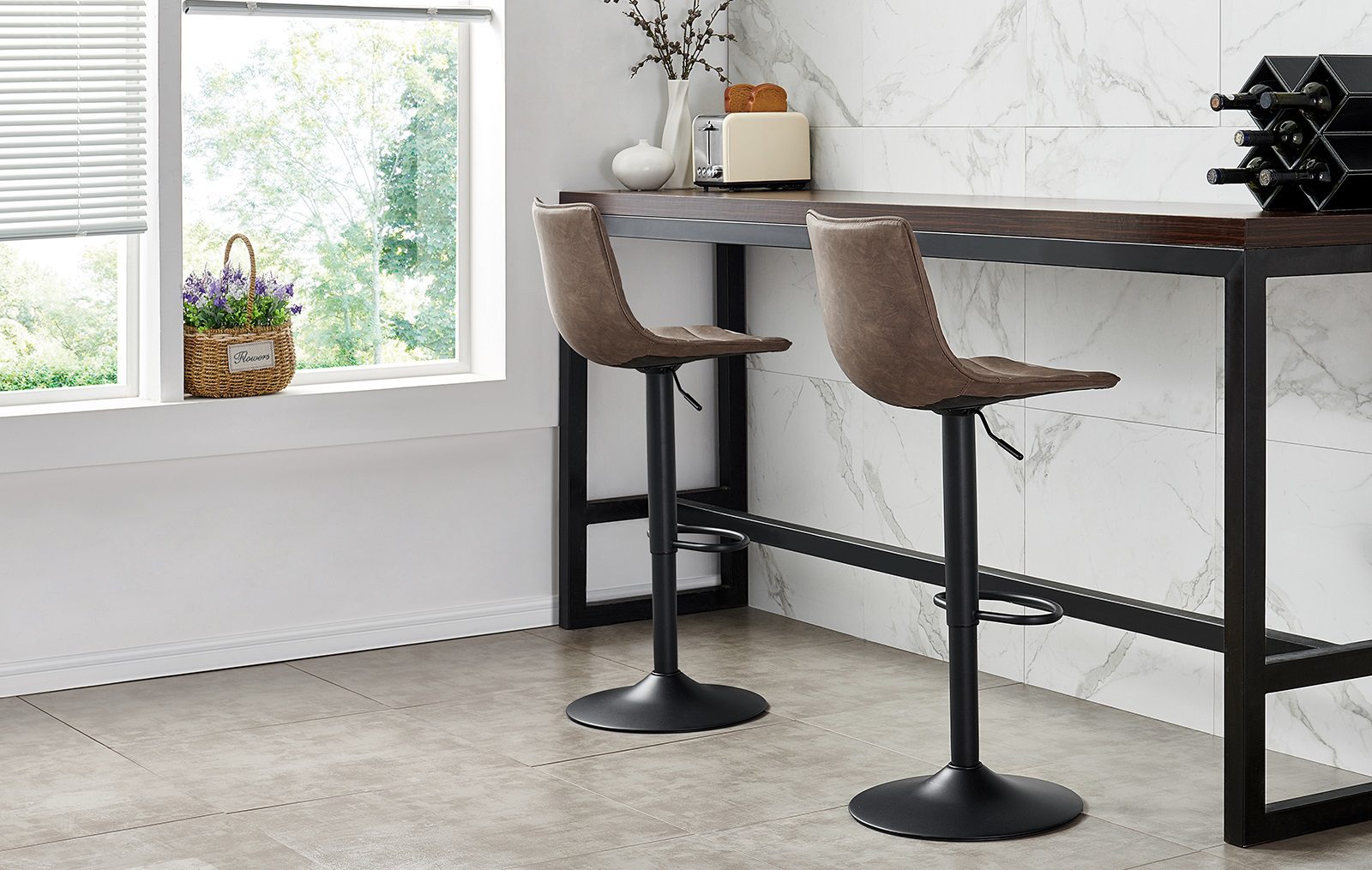
Sometimes, texture is what’s not there. A highly polished stone surface. A sheet of glossy acrylic. A seamless stretch of lacquered cabinetry. These smooth, texture-less planes create space for raw textures to stand out.
This contrast is essential. Without smoothness, roughness loses its drama. Without silence, noise has no impact. Negative texture is the breath that allows a space to inhale and exhale.
Used wisely, it creates relief. It frames. It lets your eyes rest before jumping into the next sensory field. The absence of texture is not emptiness—it’s orchestration.
Tactile Memory and Emotional Recall
Why does a raw linen napkin feel more intimate than a paper one? Why does a room with aged timber beams feel warmer, even if the temperature is the same? Texture embeds memory. It recalls a childhood home, a long-forgotten hotel, the stone of an old city street.
Texture, when chosen intentionally, taps into emotion. It isn’t just decorative. It communicates care, time, and humanity. That’s why we stroke suede, run fingers across terrazzo, admire the grain in a slab of walnut. We are reconnecting.
In a fast-paced world full of screens and gloss, these micro-moments of tactile engagement offer grounding. They are not aesthetic luxuries; they are psychological necessities.
Curated Imperfection
Modern design is often accused of being too perfect—too smooth, too aligned, too polished. But texture is the great disruptor. It allows imperfection to exist beautifully. A cracked ceramic bowl, a weathered copper sink, a patchy limewash finish—all reminders that perfection is boring.
Curated imperfection doesn’t mean sloppy. It means considered irregularity. It means allowing a hand-crafted object to sit alongside a machine-made one, and letting them complement each other.
Texture in this way is an act of rebellion against sterile sameness. It keeps things real. It keeps you interested.
Sound, Scent, and Texture’s Multisensory Echo
While texture is often seen through a visual or tactile lens, it also influences sound and scent. Acoustic texture matters. Think of the difference between a room with plush rugs and velvet drapes versus one with tile floors and glass walls. One absorbs. The other echoes.
Textural materials also hold scent. Wool, leather, unfinished wood—they carry olfactory cues that add to a room’s identity. Texture is not just what you touch, but what you hear and smell.
It creates atmosphere on levels we don’t always consciously register. But we feel it. Always.
Texture Is Not a Trend—It’s a Language
Design trends come and go. But texture’s power remains timeless. It transcends style, geography, and trend cycles. From Japanese wabi-sabi to Scandinavian minimalism, from brutalist concrete to soft maximalism, texture is the common thread.
It is the language through which materials speak. The grain, the patina, the weave, the edge. It tells us where something came from and how it’s meant to be lived with.
Once you begin to notice texture, you can’t not notice it. It’s everywhere, quietly shaping your experience of space. And once you learn to design with it—not around it—your spaces will never feel empty again.
Conclusion: Design That Speaks Through the Senses
Texture is the emotional undertow of interior design. It’s what makes a home feel lived in, not just looked at. It connects the visual to the physical. It bridges architecture with humanity.
Whether it’s a softly frayed edge of a linen curtain or the assertive presence of a Paladin Clarendon Column Radiator, texture becomes the element that makes space not just seen, but felt.
If color is what you see, and layout is how you move, then texture is how you remember.
Design for the senses. Speak in texture. And your home will never fall silent.

