Smart Approaches to At-Home Care for Little River Residents
Recognizing Key Needs in At-Home Senior Support
Staying at home as we age provides comfort and a sense of independence. More families are now focusing on offering assistance where their loved ones feel safest—their own homes. This approach requires support that aligns with genuine needs without compromising independence.
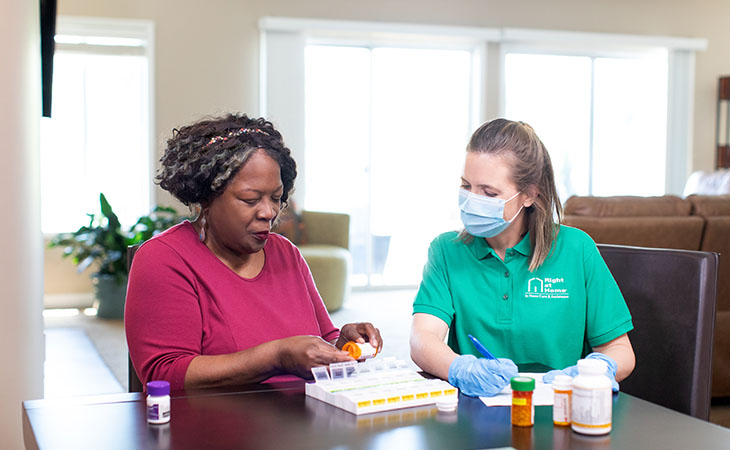
Common areas where help makes a difference include moving around the house, preparing meals, remembering to take medicine, and enjoying companionship. For example, many seniors appreciate the ability to set their own routine but gain confidence from knowing that a caregiver stops by for a scheduled visit—just enough support, with the freedom to choose how to spend the rest of their day. The goal is to keep daily life safe and enjoyable with only the necessary extra help.
Matching Personalized Home Assistance with Tech Tools
Adding technology to at-home care can make daily life easier for both seniors and caregivers. Many user-friendly apps and simple devices help check in on loved ones and offer reminders, while still keeping a human touch.
Even basic tools show how people and technology can work together:
- Pill-reminder apps beep when it’s time for medicine.
- Video-call check-ins make connecting with family or caregivers easy for a quick chat.
- Motion-alert sensors send notifications if changes in usual movement, helping spot early signs of a problem.
When choosing these tools, focus on user-friendly devices and always consider privacy before sharing health or personal information data.
Boosting Safety and Comfort with Smart Home Solutions
Simple, affordable upgrades can create a safer, more comfortable living space for seniors. Voice-activated lights let anyone turn on or off lights without moving across a dark room, reducing the chance of falls. Fall-detection sensors alert caregivers if an accident occurs, giving everyone more peace of mind. Door-alarm alerts provide extra security by signaling if outer doors open unexpectedly.
A quick home walkthrough often reveals issues:
| Home Area | What to Check | Simple Fix |
| Hallways | Good lighting, clear walkways | Add night lights |
| Kitchens/Bathrooms | Floors for slips or puddles | Use non-slip mats |
| Entryways | Unsteady rugs, high thresholds | Remove or secure rugs |
These small changes can make a big difference in confidence and comfort for daily living.
Building Trust Through Clear Home Care Plans
A written schedule gives everyone peace of mind. It sets out who helps, with what, and when. Every at-home care plan should include:
- Defined tasks (like meal prep, walks, or medicine reminders)
- Regular update times to check if care needs have changed
- Emergency contacts kept up to date
Clear communication helps avoid misunderstandings. Review plans often and use regular check-ins.
Best-Practice Check-In Points:
- Weekly phone calls or in-person updates
- Easy-to-complete feedback forms
- Monthly plan reviews with everyone involved
Finding the Ideal In-Home Care Provider
Choosing a good caregiver takes more than just finding someone nearby. Always review credentials, such as state certifications, background checks, and proof of training relevant to your needs. Ask if caregivers are trained to handle certain conditions, such as dementia or mobility challenges.
Start with these thoughtful questions:
- What experience do you have with the needs I’ve described?
- How do you handle extra hours or emergencies?
- What method do you use to keep in touch with families?
For reliable recommendations and a trusted team, explore home care Little River.
A little research at the start can make every visit more comfortable and safe, both for the person receiving care and the entire family.
Charting the Path to Better Home Support
Identify daily needs, use simple tech when helpful, write out clear plans, and check provider credentials closely. Each of these steps supports comfortable, safe days at home.
Take one small action now—conduct a home safety check, set up a new alert, or reach out for a care consultation. Every effort brings you one step closer to peace of mind for seniors and their families.