What role does therapy play in vein health recovery?
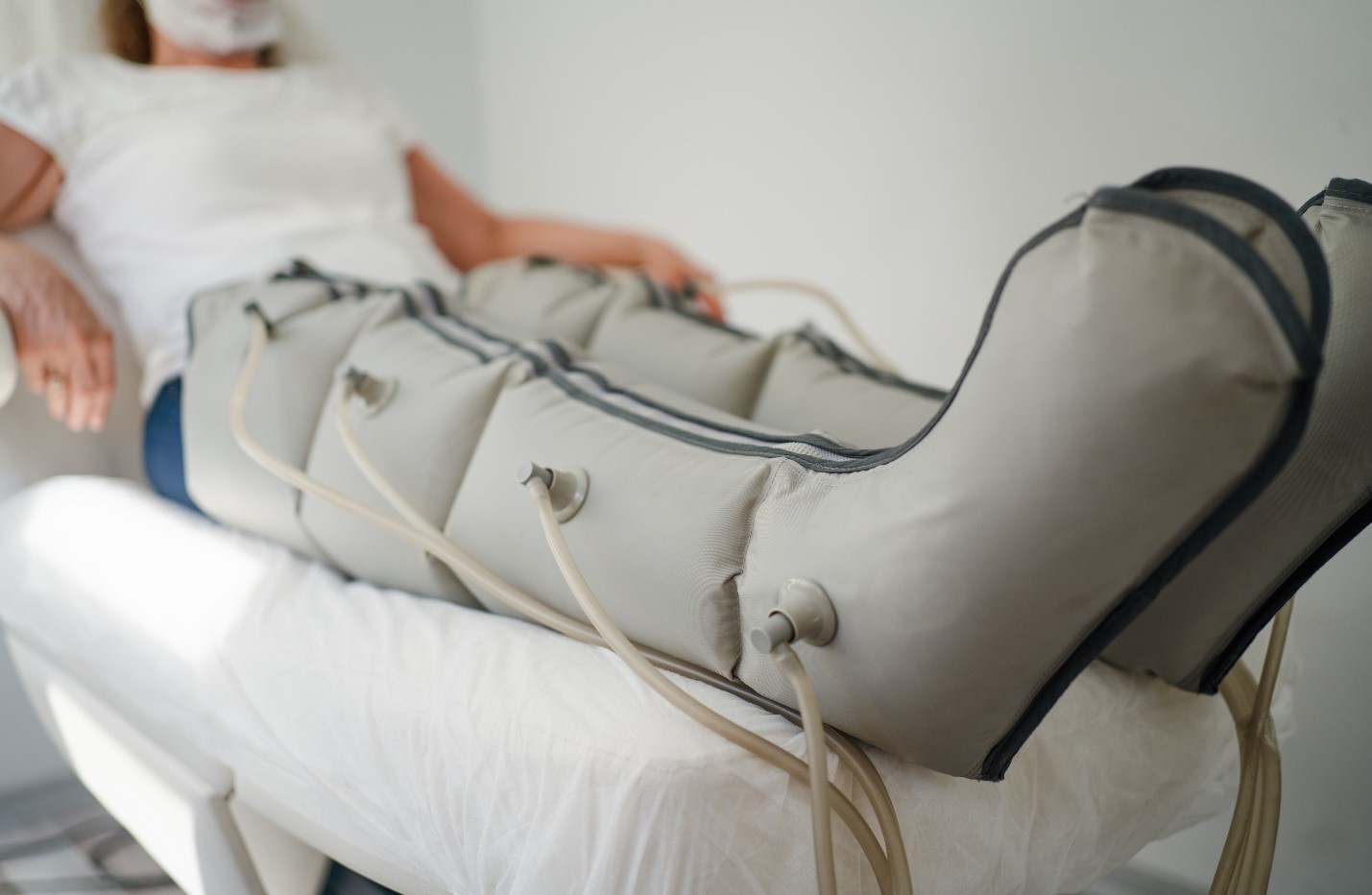
Vein health might not be something you think about every day, but when issues pop up—like varicose veins, swelling, or fatigue—it becomes a big deal fast. For anyone dealing with these symptoms, therapy can be a real game changer. Right in the middle of the treatment plan, compression therapy often comes up. It helps support your veins and get blood flowing like it should, reducing discomfort and helping the body recover faster. But therapy doesn’t stop there.
Why Vein Health Matters More Than You Think
Healthy veins are key to moving blood back to your heart. When they start to weaken or get damaged, it can slow things down and create pressure in the legs. That’s when things like spider veins, varicose veins, or chronic pain start to show up. Ignoring these signs only leads to bigger problems. Getting proper therapy early on helps prevent complications and keeps your legs feeling normal.
The Connection Between Therapy and Vein Recovery
Therapy isn’t just about fixing what’s wrong—it’s about helping your body heal better. It supports blood flow, eases inflammation, and reduces the risk of future vein issues. It also makes everyday movement easier by easing the stress veins go through. When done the right way, therapy becomes a steady path toward comfort and lasting recovery.
Physical Therapy’s Role in Circulation
You might think physical therapy is just for sore muscles, but it plays a big part in improving circulation too. Guided exercises help your calf muscles pump blood more efficiently. That muscle activity is what pushes blood upward, preventing it from pooling in the legs. A therapist can guide you through routines tailored to your condition, helping you move safely while giving your veins the support they need.
Massage and Manual Therapy for Relief
Manual therapy, like massage, can help reduce swelling and discomfort. When done by someone trained in lymphatic drainage or vascular massage, it supports the flow of blood and lymph fluid. It’s not just about comfort—it can help speed up recovery, especially when your legs feel heavy or painful from poor circulation.
Compression Therapy—The Silent Workhorse
Compression therapy does a lot of the heavy lifting when it comes to vein health. By applying gentle, consistent pressure, compression garments help your veins do their job. They push blood back toward the heart and stop it from pooling in the legs. This makes your legs feel lighter, helps with swelling, and prevents vein walls from stretching.
When Is Compression Therapy Most Helpful?
Doctors often suggest compression therapy after surgery or during early treatment for venous disease. It’s useful during long flights, while sitting for extended periods, or even during daily routines. The goal is simple: support your veins so they don’t have to work harder than necessary.
Picking the Right Level of Compression
Not all compression wear is the same. There are different levels of pressure depending on what your body needs. A healthcare provider can guide you to what fits your situation. Wearing the wrong kind can do more harm than good, so it’s worth getting it checked out before buying a pair online or from a store.
Lifestyle Therapy That Makes a Difference
Therapy doesn’t always mean sessions or tools. It also means making smart changes to daily habits. Small shifts like walking more often, raising your feet while resting, or avoiding sitting too long can have lasting effects on your vein health.
Why Movement Matters
Sitting or standing still for hours on end takes a toll on your veins. Even short, regular walks can help blood move properly. Movement acts like a pump, and the more active your legs are, the less pressure builds in your veins.
Wearing the Right Footwear
Supportive shoes might not be the most stylish, but they protect your legs in ways many people overlook. High heels or flat shoes without arch support mess with posture and circulation. The right pair helps your muscles and veins work together better, keeping you comfortable and reducing vein strain.
When Surgery Meets Therapy
Surgery might be needed for severe vein issues, but therapy doesn’t end in the operating room. In fact, therapy is what helps the body bounce back. Recovery often includes compression therapy, physical therapy, and some basic self-care steps that make healing faster and more effective.
Aftercare Makes All the Difference
Once surgery is over, what you do at home matters. Wearing your compression garments, following your exercise plan, and taking breaks to put your feet up can all help you recover without setbacks. It’s not about overdoing it—it’s about steady, intentional healing.
Emotional and Mental Support in Therapy
Dealing with a long-term condition like vein disease can be draining. Some therapy methods even include emotional support, especially if your symptoms have been around for a while. When your body feels better, your mind usually follows—but sometimes it takes talking to someone to process the ups and downs of recovery.
Tracking Progress and Staying on Course
Recovery doesn’t happen overnight. But therapy gives you a way to see progress bit by bit. Whether it’s reduced swelling, improved walking comfort, or just having more energy, tracking these wins helps keep you motivated. Your therapist or doctor can help set goals that are easy to follow and meaningful to you.
Final Thought
Therapy plays a bigger role in vein health recovery than most people realize. From compression therapy and movement routines to massage and emotional support, it all works together to give your veins what they need to bounce back. If you’re dealing with tired, swollen, or aching legs, don’t ignore the signs. The right therapy at the right time can help you feel better, move easier, and avoid future problems. It’s not just treatment—it’s part of everyday care.