

Comprehensive Guide to Identifying and Elm Leaf Beetle Treatment
Elm trees are a treasured feature in many Australian parks, gardens, and streetscapes. Their towering presence, shade, and beauty make them valuable assets in both public and private spaces. However, one persistent threat that can compromise the health and appearance of these iconic trees is the elm leaf beetle. If left unchecked, this pest can severely defoliate elms and weaken them over time.
What is the Elm Leaf Beetle?
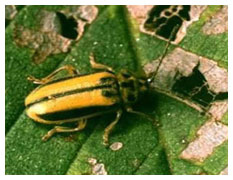
The elm leaf beetle is a small, yellowish-green to olive-brown insect that feeds on the foliage of elm trees. Originally from Europe, it has become a widespread and invasive pest in Australia. The beetle has a voracious appetite, and its feeding habits can significantly damage elm trees, making early identification and treatment essential.
Identification: How to Spot Elm Leaf Beetles
1. Adult Beetles
- Size: Around 6-7 mm long.
- Colour: Yellow-green to olive with a black stripe along each wing cover.
- When Active: Spring to late autumn.
- Where Found: On the underside of elm leaves and around the base of the tree.
2. Larvae
- Appearance: Black, caterpillar-like, and around 10 mm long.
- Behaviour: They cluster together in large numbers and feed on leaves, skeletonising them.
3. Eggs
- Appearance: Yellow, cylindrical, and laid in clusters on the underside of leaves.
- Egg-laying Period: Late Spring and early summer.
Lifecycle of the Elm Leaf Beetle
Understanding the beetle’s lifecycle is key to targeting it effectively at each stage:
- Spring: Adult beetles emerge from overwintering shelters and begin feeding and mating.
- Late Spring/Early Summer: Females lay eggs on the underside of leaves.
- Summer: Larvae hatch and feed for 2-3 weeks before crawling down the trunk to pupate.
- Late Summer: New adults emerge and continue feeding.
- Autumn: Adults seek shelter to overwinter in bark crevices, buildings, or garden debris.
Most areas experience two to three generations per year, depending on climate.
Signs of Elm Leaf Beetle Damage
- Skeletonised Leaves: Larvae feed between leaf veins, leaving a lace-like pattern.
- Brown, Curling Leaves: Heavy feeding can cause premature browning and curling.
- Defoliation: In severe cases, whole branches or the entire tree may lose leaves by mid-summer.
- Frass (Insect Droppings): Fine black droppings on leaves, ground, or garden furniture beneath the tree.
Although trees typically recover from defoliation, repeated infestations can lead to long-term stress, making elms more vulnerable to other diseases and pests.
Effective Elm Leaf Beetle Treatment Options
Below are the some elm leaf beetle treatment option available for you:
1. Trunk Injection
- Method: A systemic insecticide is injected directly into the tree’s vascular system.
- Timing: Late winter to early spring, before beetles become active.
- Pros:
- Long-lasting (up to 2-3 years).
- Targets beetles without harming beneficial insects.
- Cons:
- Requires professional application.
- May cause minor wounds to the tree if repeated often.
2. Soil Drench
- Method: A systemic insecticide is applied to the soil around the tree’s base and taken up by roots.
- Timing: Early spring.
- Pros:
- Easy to apply.
- Effective against feeding larvae and adults.
- Cons:
- Slower uptake than trunk injection.
- Can affect soil organisms if not applied carefully.
3. Canopy Spraying
- Method: Spraying foliage with contact insecticides such as pyrethroids.
- Timing: Spring and summer when larvae and adults are active.
- Pros:
- Immediate knockdown of beetles.
- Cons:
- Requires specialised equipment for large trees.
- Non-selective—can kill beneficial insects like bees.
4. Banding Trunks
- Method: Sticky bands or insecticide-treated barriers are placed around the tree trunk to trap larvae as they descend to pupate.
- Timing: Late spring to summer.
- Pros:
- Reduces new adult populations.
- Non-toxic options available.
- Cons:
- Labour-intensive.
- Must be maintained regularly.
5. Biological Control
- Natural predators like parasitic wasps and birds can help manage populations, but their impact is limited in urban environments.
- Encourage biodiversity in gardens to support predator populations.
Preventing Future Infestations
1. Annual Monitoring
Inspect trees in early spring and summer for early signs of beetles, larvae, and egg clusters.
2. Proactive Treatment
For trees with a history of infestation, trunk injection or soil drenches in early spring can preempt damage.
3. Proper Tree Care
Healthy trees are more resilient. Ensure your elms receive:
- Adequate watering (especially during dry periods).
- Mulching to retain moisture.
- Pruning to remove dead wood and improve airflow.
4. Winter Clean-Up
Remove garden debris, bark, and leaves where adult beetles might overwinter.
When to Call a Professional
While small infestations can be managed by homeowners, large elm trees or widespread damage typically require professional arboriculture services. Certified arborists can:
- Assess tree health and beetle population levels.
- Apply trunk injections safely and effectively.
- Develop long-term management plans tailored to your landscape.
Conclusion
Elm leaf beetles may be small, but they can pose a serious threat to the health and beauty of your elm trees if left unmanaged. Early identification, consistent monitoring, and targeted treatment are essential to keeping beetle populations in check and ensuring your trees thrive for years to come.
Whether you’re a homeowner, landscape manager, or city council worker, taking a proactive approach to elm leaf beetle treatment can protect your investment and preserve the canopy we all enjoy.
