


Understanding Fertility Tests for Women: What You Need to Know
Fertility is a deeply personal and complex topic for many women. Whether you’re planning to start a family soon or just want to understand your reproductive health, knowing your fertility status can be empowering. Fertility tests for women are designed to assess different aspects of reproductive health, helping detect issues early and provide guidance on next steps. In this article, we’ll break down the different types of fertility tests, how they work, what to expect, and when to consider testing.
Why Fertility Testing Matters
Fertility challenges affect many women, and the reasons behind them can vary—from hormonal imbalances to structural issues in the reproductive organs. Getting tested can:
- Identify underlying medical conditions early.
- Guide decisions around treatment or lifestyle changes.
- Help you plan your fertility timeline more effectively.
- Reduce anxiety by providing clear information about your reproductive health.
Even if you’re not trying to conceive right away, fertility testing can provide valuable insight into your body’s reproductive potential.
When Should You Consider a Fertility Test?
It’s generally recommended to consult a doctor or fertility specialist if:
- You’ve been trying to conceive for 12 months (or 6 months if you’re over 35) without success.
- You have irregular, absent, or very painful menstrual cycles.
- You have a history of miscarriage.
- You have known medical conditions like polycystic ovary syndrome (PCOS), endometriosis, or thyroid disorders.
- You want to understand your fertility potential for future planning (even if you’re not actively trying to conceive).
Common Fertility Tests for Women
1. Ovulation Testing
Ovulation is a key part of fertility. Without the release of an egg, conception cannot occur. Ovulation can be assessed through:
- Ovulation Predictor Kits (OPKs): These at-home urine tests detect the surge in luteinizing hormone (LH), which precedes ovulation.
- Basal Body Temperature (BBT): Tracking your temperature daily can help you identify patterns that indicate ovulation.
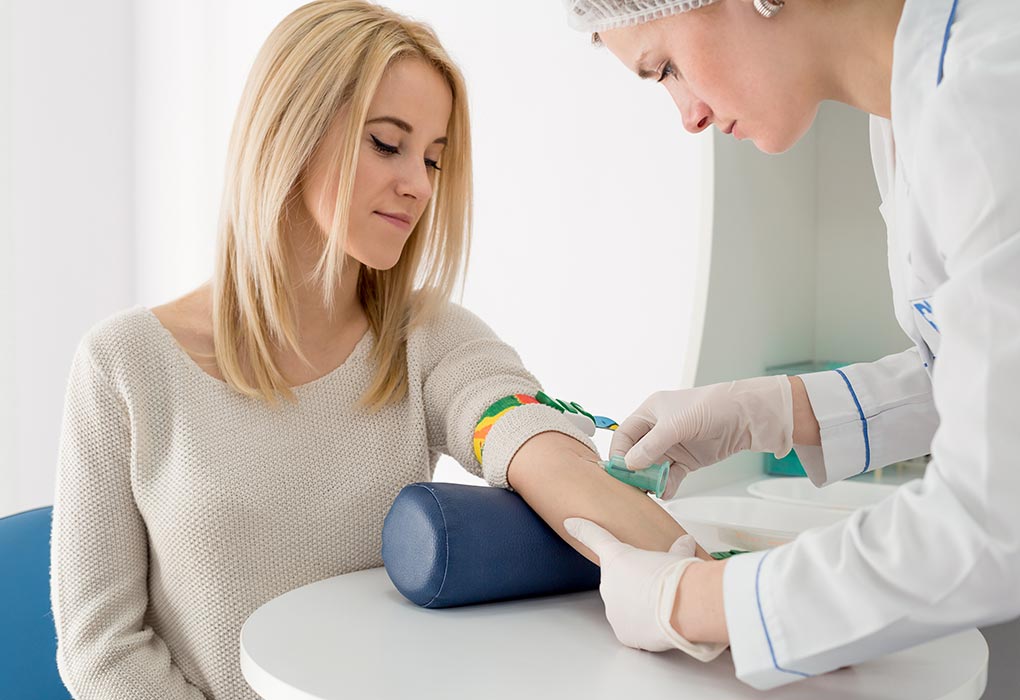
- Progesterone Blood Test: This measures the level of progesterone in the blood, typically 7 days after ovulation, to confirm whether ovulation occurred.
2. Hormone Blood Tests
Hormonal balance is critical for fertility. Some commonly tested hormones include:
- Follicle-Stimulating Hormone (FSH): High FSH levels may indicate lower ovarian reserve.
- Luteinizing Hormone (LH): Abnormal levels can suggest issues with ovulation or PCOS.
- Estradiol (Estrogen): Low or high estrogen levels can affect ovulation and egg development.
- Anti-Müllerian Hormone (AMH): AMH levels reflect ovarian reserve and give an estimate of how many eggs you have.
- Prolactin and Thyroid Hormones: These hormones also influence fertility and are often checked if menstrual cycles are irregular.
3. Transvaginal Ultrasound
This imaging test provides a visual assessment of the uterus and ovaries. It can identify:
- Antral follicle count (number of egg-containing follicles).
- Uterine abnormalities such as fibroids or polyps.
- Ovarian cysts or PCOS-related changes.
It’s a non-invasive and informative way to evaluate reproductive organs.
4. Hysterosalpingography (HSG)
This is a special type of X-ray used to assess the uterus and fallopian tubes. A dye is inserted into the uterus and then monitored through X-ray images to see if the tubes are open or blocked. Blocked fallopian tubes can prevent sperm from reaching the egg and are a common cause of infertility.
5. Hysteroscopy and Laparoscopy
These are minor surgical procedures used when imaging tests suggest abnormalities:
- Hysteroscopy: A camera is inserted into the uterus to look for polyps, fibroids, or scar tissue.
- Laparoscopy: A small incision is made in the abdomen to examine the uterus, ovaries, and fallopian tubes. It’s often used to diagnose and treat conditions like endometriosis or pelvic adhesions.
At-Home Fertility Tests: Are They Reliable?
Advancements in technology have made at-home fertility tests more accessible. Many test for AMH levels, ovulation timing, or hormone patterns. While they can be helpful for preliminary screening, they shouldn’t replace a full medical evaluation—especially if you’re experiencing fertility challenges. Always consult a doctor to interpret results accurately.
Fertility Testing and Emotional Health
Fertility testing can bring relief, but it can also be emotionally taxing. Uncertain results or a diagnosis of infertility can be difficult to process. It’s important to:
- Approach testing with an open mind.
- Prepare for a range of possible outcomes.
- Seek support from a counselor, therapist, or support group if needed.
- Remember that fertility challenges are common and manageable, often with the help of medical interventions.
What Happens After Fertility Testing?
Once testing is complete, your healthcare provider will interpret the results and discuss possible next steps. Depending on the outcome, this may include:
- Natural lifestyle changes (diet, stress management, exercise).
- Medications to regulate ovulation or hormones.
- Assisted reproductive technologies like IUI (intrauterine insemination) or IVF (in vitro fertilization).
- Surgical interventions in the case of anatomical problems.
Early testing improves your chances of successful treatment or conception planning.
Conclusion
Fertility testing for women is an essential step for those trying to conceive or those simply curious about their reproductive health. With modern diagnostic tools, testing is more accurate, accessible, and informative than ever. Whether you’re just beginning your fertility journey or exploring your options for the future, knowing your fertility status can empower you to make informed choices. If you have concerns or questions, speaking with a fertility specialist can help guide your next steps with confidence and clarity.
Take control of your reproductive health today. Book your fertility test in London with Kuon Healthcare and get expert guidance every step of the way.