

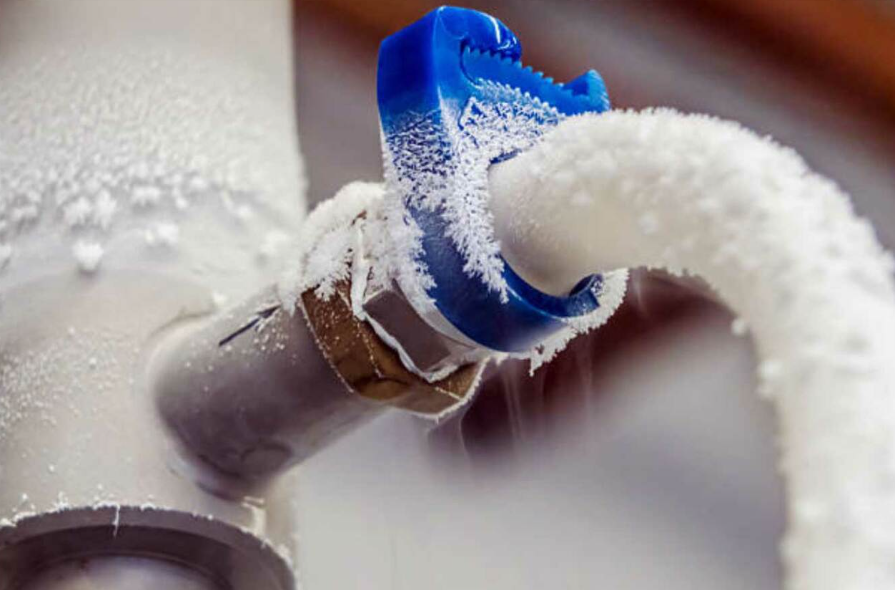
Winter Water Damage Risks and How to Prevent Frozen Pipe Bursts
Winter brings cozy fires, hot cocoa, and beautiful snowfalls. But it also brings a range of risks to your home, particularly when it comes to water damage. One of the most common and costly issues homeowners face during the colder months is frozen pipe bursts. These bursts can lead to significant water damage, sometimes even causing thousands of dollars in repairs. But the good news is that with proper care and attention, you can prevent this from happening.
In this blog post, we’ll explore the risks of winter water damage, specifically focusing on frozen pipes, and provide actionable tips on how to prevent frozen pipe bursts. We’ll also touch on how PACE Home Solutions Roofing can help ensure your home’s roof is ready for the harsh winter conditions.
Why Frozen Pipes Are a Risk in Winter
As temperatures drop, the water inside your home’s pipes can freeze. Water expands when it freezes, and when this expansion occurs inside a pipe, it puts immense pressure on the pipe walls. This pressure can eventually cause the pipe to burst, and when it does, the results can be catastrophic.
A burst pipe often results in massive water leakage, which can lead to severe water damage to walls, ceilings, floors, insulation, and electrical systems. This is not just a temporary inconvenience; it can cause lasting damage to your home’s structure, not to mention the potential for mold growth and the cost of repairs.
How Frozen Pipe Bursts Happen
Frozen pipes usually occur when the temperature drops below freezing, and they are typically found in unheated or poorly insulated areas of the home. This includes spaces such as:
- Basements
- Attics
- Crawl spaces
- Exterior walls
These areas are more likely to experience extreme cold because they are less protected from the elements. When the water inside the pipe freezes, it restricts the flow of water, creating a buildup of pressure behind the ice block. Once the pressure exceeds the pipe’s tolerance, the pipe bursts, leading to significant water damage in the area.
Even if the pipe doesn’t completely burst, the damage caused by a frozen pipe can lead to leaks and other complications down the road, resulting in costly repairs and long-term issues.
Top Winter Water Damage Risks
Beyond frozen pipe bursts, there are a few other winter water damage risks that homeowners should be aware of:
- Ice Dams on Roofs
Ice dams form when snow accumulates on your roof and melts due to heat escaping from your attic. The melted snow refreezes at the eaves, creating a barrier that prevents further melting snow from draining off the roof. The trapped water then backs up under the shingles, leading to leaks that can cause water damage to your ceiling, insulation, and walls. - Leaking Roofs from Snow Accumulation
Heavy snowfall and ice buildup on the roof can cause damage to the roof itself. If the snow isn’t cleared properly, the weight can cause shingles or even parts of the roof to crack, leading to leaks that can result in interior water damage. - Gutter Blockages
When gutters become clogged with leaves and debris, melting snow and ice can’t properly drain. This can cause water to overflow, pooling around the foundation of your home and potentially leaking into your basement or crawl spaces. - Flooded Basements
Even without frozen pipes, winter storms and melting snow can result in water seeping into your basement. Improperly sealed windows, cracks in the foundation, or poor drainage systems can allow water to find its way into your home’s lower levels, causing damage to flooring, walls, and personal belongings.
How to Prevent Frozen Pipe Bursts
Now that we understand the risks, let’s dive into the steps you can take to prevent frozen pipes and protect your home from the damaging effects of winter water damage.
1. Insulate Pipes
The first line of defense in preventing frozen pipes is to insulate them. Pipes located in unheated areas like basements, crawl spaces, and attics are most susceptible to freezing. Insulating these pipes will keep them warmer and reduce the likelihood of freezing.
You can purchase foam pipe insulation, which is easy to install. Make sure to insulate both hot and cold water pipes in areas prone to freezing.
2. Keep the Heat On
If you plan on leaving your home for an extended period during the winter, don’t turn the heat off. Keeping your home at a temperature of at least 55°F (13°C) ensures that the pipes won’t be exposed to freezing temperatures. If you’re leaving for a vacation or holiday, consider setting your thermostat to this minimum to avoid any issues.
3. Open Cabinet Doors
In areas like the kitchen and bathroom, where pipes may be running along exterior walls, open the cabinet doors to allow warm air to circulate around the pipes. This simple step can help prevent the pipes from freezing, especially if the temperatures drop dramatically during the night.
4. Let Faucets Drip
Letting your faucets drip is a simple way to keep water moving through the pipes, which can prevent freezing. The moving water is less likely to freeze compared to still water. If you have a particularly vulnerable area in your home, such as an attic or crawl space, leave the faucet on a slow drip to reduce the chances of pipes freezing.
5. Seal Cracks and Gaps
Inspect your home for any gaps, cracks, or openings where cold air could enter. These cracks may be found around windows, doors, or where pipes enter your home. Sealing these gaps with caulk or weatherstripping can help keep cold air out and maintain a warmer environment around your pipes.
6. Install Pipe Heating Cables
For extreme cold areas, you may want to consider installing pipe heating cables. These cables wrap around your pipes and heat them, preventing them from freezing. They are particularly useful for pipes in high-risk areas such as attics, crawl spaces, and basements.
7. Keep the Roof Clear of Snow and Ice
One way to prevent water damage from ice dams is to regularly remove snow from your roof. While this can be a labor-intensive task, it’s one of the best ways to prevent ice dams from forming. If snow accumulates and starts to melt, it can lead to water backing up under your shingles and into your home. For those in colder climates, hiring a professional roofing service, like PACE Home Solutions Roofing, can ensure that your roof is properly maintained and your home is protected.
8. Clean and Maintain Gutters
Cleaning your gutters before the winter season can help ensure proper water drainage. Clear out leaves and debris to allow melting snow and ice to flow freely through the downspouts. Clogged gutters can cause water to pool and leak into your home’s foundation, leading to potential water damage.
9. Maintain Your Heating System
Ensuring that your heating system is running properly can make a huge difference in preventing frozen pipes. Schedule a maintenance check before the winter months to ensure that your system is functioning efficiently. This will help maintain consistent heat throughout your home and keep pipes from freezing.
How PACE Home Solutions Roofing Can Help
While we’ve discussed several preventative measures for water damage, it’s also important to ensure your roof is in tip-top shape. PACE Home Solutions Roofing specializes in protecting your home from winter-related water damage by offering roofing services that include:
- Roof inspections to identify weak spots or areas of concern.
- Ice dam prevention through proper roof design and ventilation.
- Roof repairs to fix any existing damage before winter hits.
A well-maintained roof can be your first line of defense against ice dams, leaks, and frozen pipes. With professional help from PACE Home Solutions Roofing, you can have peace of mind knowing your roof is up to the challenge of winter weather.
FAQs About Winter Water Damage and Frozen Pipes
1. What temperature do pipes freeze?
Pipes typically freeze when the temperature reaches 32°F (0°C) or below. However, they can freeze even if the temperature is above freezing if there is enough wind or if the pipes are located in an unheated area.
2. How do I know if my pipes are frozen?
You may notice that your water flow has stopped or is running very slowly. If you suspect a pipe is frozen, check the exposed pipes for frost or ice buildup. If you can’t find the frozen area, it’s best to call a plumber for help.
3. What should I do if a pipe bursts?
If you experience a burst pipe, immediately turn off the water supply to your home and call a plumber. Then, contact your insurance company to start the claim process for water damage. Take steps to contain the damage by using towels or a mop, but avoid handling electrical appliances that might be affected by the water.
Conclusion
Winter water damage, especially from frozen pipe bursts, is a serious concern for homeowners. But by taking proactive steps to insulate pipes, maintain your roof, and prepare your home for the cold, you can avoid many of the costly repairs associated with water damage. If you’re looking for expert roofing services to protect your home from winter risks, PACE Home Solutions Roofing is here to help you safeguard your property. Stay warm, stay safe, and enjoy a worry-free winter!
