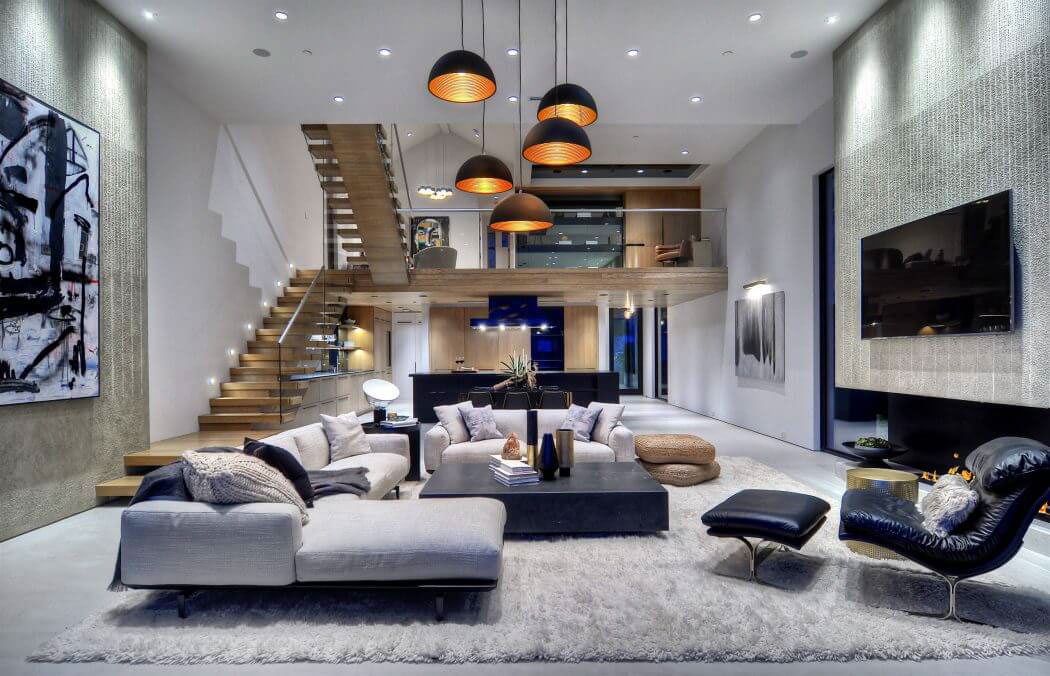
Transform Your Space: The Art of Home Interior Design That Reflects Your Personality
Home is more than just a place to live; it’s a reflection of who you are. Home interior design isn’t just about placing furniture or choosing paint colors, it’s about creating a space that speaks to your lifestyle, your tastes, and your sense of comfort. Whether you’re moving into a new place or giving your current one a makeover, the goal of interior design is to create a space that feels like home while looking visually appealing and functional.
Understanding the Purpose of Each Room
For home interior design, select a color, think about the purpose of each room. Every room in your home has its function and energy. The living room is often a social hub, the bedroom a place for rest, and the kitchen a center of daily activity. Understanding how you want each space to feel can help guide your design decisions. For instance, a bedroom might benefit from soft lighting and calming tones, while a home office needs bright lighting and an inspiring layout.
Choosing a Style That Suits You
There are several popular design styles: modern, minimalist, bohemian, rustic, industrial, and more. You don’t have to strictly stick to one style. Mixing elements from different styles can create a more personalized and unique atmosphere. For example, combining industrial lighting with rustic furniture and minimalist color palettes can result in a fresh and interesting aesthetic. Take inspiration from design blogs, Pinterest boards, or magazines, but always bring it back to what makes you feel at ease.
Color Palettes and Their Impact
Color can completely change the mood of a room. Soft and neutral tones such as beige, grey, and pastel blues can make a space feel calm and open. Bright colors like yellow or red add energy and warmth. Darker tones can add depth and sophistication, but should be balanced with lighter elements to avoid making a space feel small. The key is to choose a color scheme that complements your personality and works with the lighting in your home.
Furniture: More Than Just Functionality
Furniture plays a huge role in both the functionality and the visual flow of a space. When choosing furniture, think about size, shape, and placement. Overcrowding a room can make it feel chaotic, while a lack of furniture can make it feel incomplete. Choose pieces that serve a purpose and add to the overall style of the room. Multi-functional furniture, such as a bed with storage or a foldable dining table, is perfect for smaller homes. Comfort is equally important. Always test out seating before you buy it if you can.
Lighting Sets the Mood
Lighting is one of the most underrated elements in home interior design. It affects how colors appear, influences mood, and changes the overall feel of a room. Natural light is ideal, so try to maximize it with large windows or mirrors that reflect sunlight. Layered lighting is also essential a mix of ambient, task, and accent lighting allows you to adapt the mood of a room depending on the time of day or the activity. Warm lighting is great for relaxation, while cooler lights are better for focus and clarity.
Incorporating Personal Touches
A home should feel like yours, not just a display room. Personal touches are what make a house a home. Family photos, artwork, travel souvenirs, and handmade crafts add character to your space. You can also include elements that represent your hobbies or interests — a reading nook, a wall of instruments, or even indoor plants if you love nature. These small details tell your story and make your space feel lived-in and loved.
Storage and Organization
Design isn’t just about how things look, it’s also about how things function. A well-organized home feels more spacious and less stressful. Use clever storage solutions to keep clutter out of sight. Floating shelves, under-bed storage, hidden cabinets, and multi-use furniture can help you make the most of your space. Good design considers both aesthetics and practicality, so think about how you’ll live in your space day-to-day.
Textures and Layers Add Depth
Adding texture is a great way to bring warmth and interest to your interior design. You can do this with textiles like rugs, curtains, cushions, and blankets. Materials like wood, metal, glass, and fabric all add different textures that can make a room feel more balanced and layered. Don’t be afraid to mix textures, for example, a sleek leather couch with a soft knitted throw and a rough wooden coffee table can create a visually appealing contrast.
Conclusion
In the end, the best interior design is the one that makes you feel at home. It doesn’t have to follow every trend or be worthy of a magazine cover. What matters most is that your space feels comfortable, functional, and true to who you are. Whether you’re designing a cozy studio apartment or a large family home, take your time to plan, explore, and enjoy the creative process. Your home is your canvas; make it a masterpiece.