

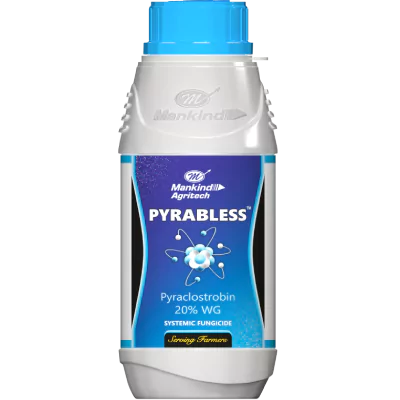
How to Choose the Best Fungicide in India for Crops
Fungal infections are among the most destructive issues faced by Indian farmers. They can quickly spread across fields, reducing crop yields and affecting the overall quality of produce. To combat this, farmers rely heavily on fungicides. But with the vast variety of products available, how does one choose the best fungicide in India? This guide provides detailed insights into making the right choice and understanding the role of reliable fungicide manufacturers in India.
Understanding Fungicides and Their Importance
Fungicides are chemical or biological agents used to kill or inhibit the growth of fungi and fungal spores. These infections can affect any part of a plant—from roots to leaves—causing diseases like rusts, smuts, mildews, and blights. If not treated promptly, they can destroy an entire harvest.
In a country like India, where agriculture plays a crucial role in the economy and livelihood of millions, the need for effective fungal control solutions cannot be overstated. Due to the country’s tropical climate and periodic monsoon rains, crops are frequently exposed to environments conducive to fungal growth. Hence, using the best fungicide in India becomes essential for sustaining crop health and maximizing productivity.
Common Crop Diseases Caused by Fungi

Before selecting a fungicide, it’s helpful to recognize the common fungal diseases affecting major crops:
Powdery mildew: Affects vegetables, grapes, and pulses.
Downy mildew: Common in grapes, onions, and cucumbers.
Rust: Seen in wheat, soybean, and coffee crops.
Leaf spots and blights: Affect rice, cotton, and maize.
Anthracnose: Found in chili, mangoes, and papaya.
Each disease may require a specific type of fungicide based on the stage of infection, the crop involved, and the local climate.
Key Features of the Best Fungicide in India

To choose the right product, farmers should assess certain key features. A quality fungicide must:
Have a broad spectrum: It should be effective against a wide variety of fungi.
Be systemic or contact-based as required: Systemic fungicides are absorbed and translocated within the plant, while contact fungicides remain on the surface to act as a protective barrier.
Have good rainfastness: It should not be easily washed off by rain, especially in monsoon-prone areas.
Be safe for the environment and non-target organisms: Including humans, beneficial insects, and soil microbes.
Be compatible with other agrochemical products: For ease of integrated pest management.
Offer residual effect: It should protect crops for a reasonable duration post-application.
When considering these factors, selecting the best fungicide in India becomes less of a challenge and more of a strategic farming decision.
Types of Fungicides Based on Mode of Action

Understanding how a fungicide works can help in selecting the appropriate type for a given issue. Fungicides can be classified as:
Contact Fungicides
These remain on the surface of plant parts and prevent fungal spores from germinating. They are often used as a preventive measure and require frequent application.
Systemic Fungicides
These are absorbed into the plant’s tissues and work from within. They are suitable for curative action and offer longer protection.
Translaminar Fungicides
These move within the leaf surface but do not travel throughout the entire plant. They provide effective control for surface-level fungal issues.
Protectant vs. Curative Fungicides
Protectant fungicides are applied before the infection occurs, while curative fungicides help control early-stage fungal infections.
Choosing the right category depends on factors such as crop type, disease progression, weather conditions, and cost considerations.
Application Methods for Maximum Effectiveness
To ensure effective use of fungicides, farmers must follow proper application practices:
Timing: Applying fungicides during the early stages of disease appearance is critical. In some cases, preventive spraying before an expected outbreak is ideal.
Dosage: Using the recommended amount ensures effectiveness and avoids residue buildup or resistance development.
Spraying technique: Uniform coverage of the plant surface is important, especially for contact fungicides.
Weather conditions: Avoid spraying during rain or strong winds, as this can reduce the product’s efficacy.
Proper adherence to application guidelines ensures that the best fungicide in India delivers optimum results without harming the crop or the environment.
Choosing the Right Fungicide for Your Crop
Different crops require different approaches when it comes to fungal management. Here’s a general idea:
For rice and wheat: Systemic fungicides work best for treating blight and rust.
For vegetables like tomato, chili, and cucumbers: A combination of protectant and systemic fungicides is often effective.
For fruits like grapes and mangoes: Precision is key; selective fungicides with minimal residue are preferred.
For pulses: Powdery mildew is a common issue, and specific fungicides should be chosen to target it.
Farmers should always consider consulting an agronomist or agricultural expert before finalizing a product for their fields.
How to Identify Reliable Fungicide Manufacturers in India
Not all fungicides offer the same level of quality or effectiveness. Choosing a product from a reputable source makes a significant difference. Here are a few signs of trustworthy fungicide manufacturers in India:
Strict quality control measures: Products are tested for consistency and safety.
R&D-backed formulations: Innovation in product development ensures better crop protection.
Farmer education and support: Good manufacturers often provide training or guides on correct usage.
Compliance with regulatory standards: Ensures safety, efficacy, and reduced environmental impact.
Sustainability efforts: Manufacturers with a focus on eco-friendly solutions stand out in modern agriculture.
By sourcing products from established fungicide manufacturers in India, farmers can reduce crop losses and improve profitability.
Addressing Fungal Resistance
One of the growing concerns in crop protection is the development of resistance to fungicides. Fungal pathogens can mutate over time, making certain treatments ineffective. To reduce the risk of resistance:
Rotate fungicides with different modes of action
Avoid overuse of a single product
Use tank mixes when appropriate
Integrate cultural practices such as crop rotation and field sanitation
Following these strategies ensures that even the best fungicide in India remains effective for the long term.
Environmental and Safety Considerations
While fungicides are important for protecting crops, they should be used responsibly to minimize impact on:
Soil health: Excessive use can harm beneficial microorganisms.
Water sources: Improper disposal or runoff can lead to contamination.
Human safety: Users must wear protective gear and follow safety guidelines during application.
Wildlife and pollinators: Avoid spraying during active pollination to protect bees and other insects.
Manufacturers and users alike share the responsibility of ensuring that fungicide use remains safe and sustainable.
Conclusion
Fungicides are essential tools for ensuring crop protection and supporting the livelihoods of Indian farmers. Choosing the best fungicide in India is a decision that requires consideration of crop type, disease severity, environmental factors, and product quality. Equally important is sourcing these products from dependable fungicide manufacturers in India, who prioritize safety, innovation, and sustainability.
One company that stands out in supporting Indian agriculture through advanced crop protection products is Mankind Agritech. With a commitment to quality and farmer-centric solutions, they are contributing significantly to safer and more productive farming practices.

