

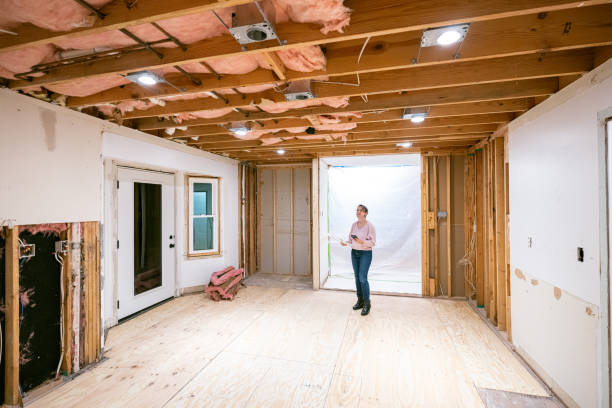
Unlocking the Potential of Your Property: A Guide to ADU Construction
Accessory Dwelling Units (ADUs) have quickly gained popularity across the U.S., offering homeowners flexible living solutions, rental income opportunities, and increased property value. Whether you’re considering building an ADU for family, guests, or tenants, this guide covers everything you need to know about ADU construction in Roseville CA.
What is an ADU?
An Accessory Dwelling Unit (ADU) is a secondary housing structure built on the same lot as a primary residence. Also known as granny flats, in-law suites, backyard cottages, or garage apartments, ADUs come in various forms and sizes. Despite being separate living spaces, they legally remain part of the main property.
Types of ADUs
ADUs can be tailored to suit different property sizes, budgets, and needs. Common types include:
- Detached ADUs – freestanding units, often built in backyards.
- Attached ADUs – connected to the primary house by a shared wall.
- Garage Conversions – transforming an existing garage into a livable space.
- Basement ADUs – finished basements with independent access.
- Above-Garage Units – often stylish and space-efficient.
Each has unique zoning and permitting requirements, which vary by region.
Benefits of ADU Construction
Adding an ADU isn’t just a trend—it’s a smart investment. Here’s why:
- Extra Income: Rent it out for passive income.
- Multigenerational Living: Provide privacy and comfort for elderly parents or adult children.
- Property Value Boost: ADUs typically increase overall real estate value.
- Flexible Use: Use it as a guest house, office, studio, or Airbnb.
- Sustainability: Smaller footprints support environmentally conscious living.
Legal and Zoning Considerations
Before breaking ground, it’s crucial to understand local laws. Municipalities often have regulations on:
- Maximum square footage
- Setback distances
- Parking requirements
- Owner occupancy
- Utility hookups
In many states, such as California and Oregon, recent changes in ADU laws have made construction more accessible. Still, working with a local ADU expert or contractor familiar with city ordinances is highly recommended.
Designing an ADU That Works for You
Good design is at the heart of any successful ADU project. Whether you’re looking for minimalist living or a fully equipped guesthouse, consider:
- Layout Efficiency: Maximize space with smart storage solutions and open layouts.
- Natural Light: Incorporate windows, skylights, or glass doors for a roomy feel.
- Privacy: Plan entrances and windows to maintain separation from the main home.
- Accessibility: Especially important for aging parents or short-term guests.
Working with an architect or design-build team ensures your ADU meets your needs and local codes.
Financing Options for ADUs
Funding an ADU project doesn’t have to be daunting. Here are some common options:
- Home Equity Loans or HELOCs
- Cash-Out Refinancing
- Personal Loans
- Fannie Mae’s HomeStyle Renovation Loan
- ADU Grants or Local Incentive Programs (offered in some cities)
Before securing financing, evaluate your budget, timeline, and ROI expectations.
Hiring the Right ADU Contractor
Choosing a qualified ADU contractor is one of the most important steps in your project. Look for:
- Experience with ADU-specific construction
- Proper licensing and insurance
- Positive local reviews and references
- A clear estimate and project timeline
- Familiarity with local codes and permitting
A good contractor can guide you from concept to completion without unnecessary delays or cost overruns.
FAQs
Q1: Can I build an ADU on any residential lot?
Not always. Zoning laws, lot size, and utility access determine eligibility. Check with your local planning department first.
Q2: Do I need a separate address or mailbox for an ADU?
In some municipalities, yes. Others may allow shared addressing. It depends on local regulations and how the ADU will be used.
Q3: Can I rent out my ADU?
In many areas, yes. However, some cities require the primary residence to be owner-occupied or limit short-term rentals. Always verify your local ordinances.
Q4: Are ADUs energy-efficient?
They can be. Many ADUs are built with modern, green materials and can include solar panels, energy-efficient windows, and smart thermostats to minimize utility costs.
Q5: Is it cheaper to convert a garage or build new?
Generally, garage conversions are more affordable since they utilize an existing structure. However, building a new detached ADU offers more design flexibility and privacy.
Ready to Build Your ADU?
Professional ADU construction is more than just adding square footage—it’s about enhancing your lifestyle and property value. Whether you’re housing family, creating passive income, or planning for future flexibility, the right ADU can make a lasting impact.