

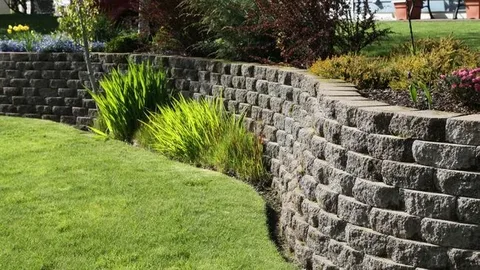
Transform Your Landscape with Stunning Retaining Walls
A retaining wall is more than just a practical structure for controlling soil; it’s a statement piece that can elevate the look and functionality of your outdoor space. Whether you’re dealing with a sloped garden, need to manage drainage, or want to create a visually striking feature, a retaining wall offers an ideal solution. These walls not only provide essential support but also enhance the aesthetic appeal of your yard. With the right design and installation, a retaining walls can be the perfect blend of strength and style.
What is a Retaining Wall?
A retaining wall is a vertical or near-vertical structure that holds back soil, preventing erosion and providing stability for slopes and uneven terrain. These walls are typically built from materials like stone, concrete, wood, or brick, and are essential in areas with a lot of rainfall or on properties with significant elevation changes. A retaining wall can be designed to manage slopes, protect foundations, or even create terraced garden areas, all while adding a structured and polished look to your landscape.
The primary function of a retaining wall is to resist the pressure of soil, rock, or water behind it, ensuring that the land remains stable. Properly constructed retaining walls are integral in preventing soil erosion, stabilizing slopes, and creating usable flat spaces on uneven or hilly terrain.
Why Install a Retaining Wall?
1. Prevents Soil Erosion and Flooding
One of the most common reasons homeowners install a retaining wall is to prevent soil erosion. If your property has a sloping or hilly landscape, rainwater can cause soil to wash away, leaving your garden or yard in a state of disarray. By installing a retaining wall, you can prevent this erosion, allowing your plants and garden to thrive.
In addition, a retaining wall helps manage water runoff, directing it away from vulnerable areas of your property. This can protect your home’s foundation and landscaping from water damage, and when combined with proper residential drainage, it can greatly improve the overall drainage system of your yard.
2. Maximizes Usable Space
Uneven or sloped land can make it difficult to fully utilize your outdoor space, but with the installation of a retaining wall, you can create terraced levels in your garden or yard. By leveling out sections of your landscape, a retaining wall gives you more options for creating flat spaces for patios, decks, gardens, or even a pool. This maximizes the utility of your outdoor space, especially for homeowners with smaller or more sloped yards.
3. Enhances Curb Appeal and Aesthetics
Not only do retaining walls serve a functional purpose, but they also add to the aesthetic appeal of your home. A beautifully designed retaining wall can bring a sense of order and sophistication to your landscape. Whether you choose natural stone, concrete blocks, or timber, there is an array of materials available that can complement the architectural style of your home.
A well-constructed retaining wall can serve as a focal point in your yard, creating visual interest and depth. It can also break up the monotony of a flat or plain lawn, adding texture and dimension to your landscape. Additionally, retaining walls can be used to define garden beds, pathways, or outdoor rooms, creating a more organized and cohesive outdoor environment.
4. Improves Residential Drainage
Proper residential drainage is a crucial element of any well-maintained property. Retaining walls can help manage water flow by preventing water from pooling in certain areas of your yard. With proper drainage systems integrated into the wall’s design, excess water can be diverted away from vulnerable areas, ensuring your property remains dry and free from flooding.
Incorporating drainage solutions into the retaining wall design ensures that water won’t accumulate behind the wall or erode the soil. Effective drainage systems prevent issues such as foundation damage, flooding, and landscape deterioration. In this way, a retaining wall not only addresses structural needs but also works in tandem with other systems in your yard to keep everything running smoothly.
Choosing the Right Retaining Wall Contractors
While retaining walls are a versatile and effective landscaping solution, their installation requires technical expertise. From understanding soil conditions to ensuring structural integrity, building a retaining wall is a complex task that should be entrusted to professionals. When looking for retaining wall contractors, it’s essential to choose experienced professionals who can assess your specific needs and design a wall that fits both your aesthetic preferences and functional requirements.
Experienced retaining wall contractors understand the intricacies involved in choosing the right materials, calculating the necessary structural support, and implementing proper drainage systems. They can guide you in selecting the appropriate wall design that suits your landscaping goals and provides long-term stability.
Additionally, professionals will ensure that your wall is installed to meet local building codes and regulations. Retaining walls that are not properly installed can lead to costly damage, erosion, or structural failure. Hiring the right contractor ensures peace of mind and guarantees the job is done correctly the first time.
Design Options for Retaining Walls
There are several design options for retaining walls, and the materials you choose will significantly impact both the wall’s appearance and functionality. Here are some of the most popular materials and design options:
1. Natural Stone
For a timeless, rustic look, natural stone retaining walls are a popular choice. Stone can be arranged in various ways to create a unique, organic appearance that blends seamlessly with the landscape. Natural stone walls are durable, long-lasting, and provide a classic look that suits most styles of homes.
2. Concrete Blocks
Concrete block retaining walls are modern, versatile, and easy to install. They come in a wide range of shapes, sizes, and colors, allowing you to create a customized design. Concrete blocks are an excellent option if you want a clean, structured look and require a wall that can handle heavy loads and pressure.
3. Timber
For a more natural and rustic feel, timber retaining walls offer a great solution. Wood can be used to create a softer, more organic aesthetic that blends well with the natural surroundings. While timber retaining walls are an affordable option, they require regular maintenance to prevent decay and rot over time.
4. Brick or Masonry
Brick and masonry retaining walls are ideal for those looking for a traditional or formal look. These materials offer durability and elegance, and can be used to create beautifully symmetrical and refined designs. While more labor-intensive, brick and masonry walls are a great long-term investment.
Conclusion
A retaining wall is a powerful tool for enhancing the functionality, beauty, and longevity of your landscape. Whether you’re seeking to prevent soil erosion, manage water drainage, or simply create a more visually appealing outdoor space, a well-constructed retaining wall offers both strength and style. By choosing the right materials and working with experienced retaining wall contractors, you can transform your outdoor area into a stunning and functional landscape feature.
Don’t underestimate the impact of a properly designed retaining wall. With the right approach, you can create a lasting investment that adds value to your home while improving the overall aesthetics and functionality of your property.

