

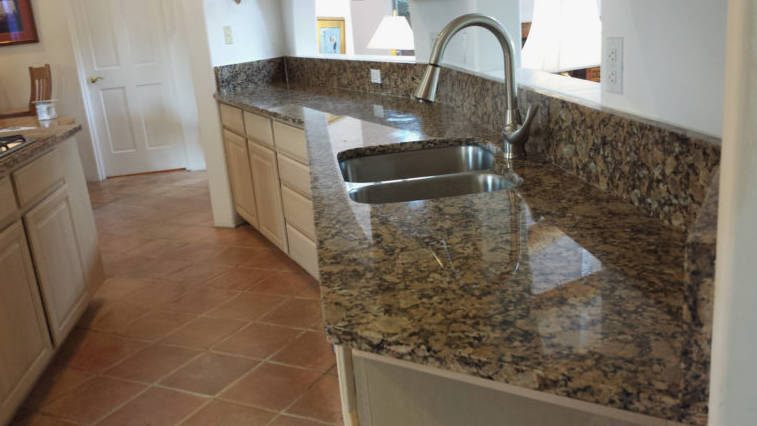
The Environmental Impact of Granite Countertop Production
Granite countertops have long been a popular choice for homeowners, interior designers, and builders due to their timeless elegance, durability, and natural beauty. However, as environmental awareness continues to grow, questions have arisen about the environmental impact of granite production. In this blog, we will dive into the various aspects of granite countertop production, examining both the positive and negative effects on the environment. Additionally, we’ll explore ways that companies like Cyndi’s Floors N More are helping to mitigate these impacts and promote more sustainable practices.
What is Granite and Why is it Used for Countertops?
Granite is a natural stone that is formed from cooled magma deep within the Earth’s crust. It is composed mainly of quartz, feldspar, and mica, giving it a unique appearance with a variety of colors and patterns. Its dense and hard nature makes it a preferred material for kitchen and bathroom countertops, where durability is key. The process of quarrying, cutting, and installing granite countertops involves multiple steps, each with potential environmental consequences.
Environmental Impact: Mining and Quarrying
The journey of granite countertops begins with mining, which is a major contributor to the environmental footprint of granite production. Mining involves extracting large blocks of granite from quarries, often located in mountainous areas. This process can have several environmental impacts:
- Ecosystem Disruption: Quarrying operations can destroy natural habitats and ecosystems. The removal of large amounts of rock can lead to soil erosion, loss of plant and animal life, and disruption of local biodiversity.
- Water Usage and Pollution: Quarrying granite requires a significant amount of water, especially when cutting the stone into manageable pieces. The runoff from these operations can contaminate nearby water sources with chemicals used in the cutting process, including oils and resins.
- Energy Consumption: The extraction of granite from quarries requires large amounts of energy, mainly from fossil fuels. This contributes to air pollution and the overall carbon footprint of granite production.
- Noise Pollution: The heavy machinery used in quarrying granite produces significant noise pollution, which can negatively impact nearby communities and wildlife.
- Waste Generation: Granite cutting generates a substantial amount of waste, including smaller stone pieces and dust. This waste needs to be managed properly to avoid environmental contamination.
Transportation of Granite
Once granite is mined and processed, it is transported to factories for cutting, polishing, and shaping into countertops. Depending on the location of the quarry and the factory, transportation can also have a significant environmental impact.
- Fuel Consumption: Transporting granite requires the use of trucks, trains, and ships, all of which contribute to carbon emissions. Given the weight of granite, transportation can be an energy-intensive process, especially when the stone is shipped across long distances.
- Carbon Emissions: Shipping granite from overseas quarries (such as those in Brazil, India, and China) results in high levels of carbon emissions due to the long distances and the energy needed to transport the stone.
Manufacturing and Fabrication
Once granite reaches the manufacturing plant, the stone is cut into the desired shapes and sizes for countertops. The fabrication process involves cutting the granite with specialized tools and machinery, followed by polishing and finishing. These processes can also contribute to the environmental impact:
- Water Usage: Fabrication requires large amounts of water, especially for cooling the cutting tools and washing the stone. Like quarrying, the water used in this process can become contaminated and pose environmental risks if not properly managed.
- Energy Consumption: The cutting and polishing process requires significant energy to operate the machinery. If the energy used in fabrication comes from non-renewable sources, this adds to the carbon footprint of granite production.
- Waste Materials: During the fabrication process, large amounts of waste materials, such as stone dust and offcuts, are generated. Improper disposal of these materials can lead to environmental contamination.
Installation of Granite Countertops
Once the granite countertops are fabricated, they are transported to the customer’s home or business for installation. The installation process itself is relatively low-impact in terms of environmental effects, but there are still some considerations:
- Transportation to Site: The final delivery of granite countertops requires additional fuel consumption and carbon emissions, particularly if the countertop is being transported a significant distance.
- Installation Waste: During the installation process, small pieces of granite may be cut away to fit the countertop precisely. These offcuts can add to the overall waste, although they may be recycled or repurposed by some companies.
The Carbon Footprint of Granite Countertops
Overall, the production and installation of granite countertops contribute to a significant carbon footprint. The primary sources of this footprint come from the energy used in mining, fabrication, and transportation, as well as the emissions associated with these processes.
- Carbon Emissions from Mining and Quarrying: The energy required to operate the equipment and machinery used in granite extraction contributes to greenhouse gas emissions.
- Transportation Emissions: As mentioned earlier, the transportation of granite over long distances involves the use of trucks, ships, and planes, all of which contribute to carbon emissions.
- Energy Usage in Fabrication: The machinery used in the fabrication process requires a considerable amount of electricity, much of which may be generated from non-renewable sources, further increasing the carbon footprint.
Sustainable Alternatives and Solutions
As consumers become more conscious of the environmental impact of their purchasing decisions, there is an increasing demand for sustainable alternatives to traditional granite countertops. Several solutions and practices can help mitigate the environmental impact of granite production:
- Recycled Granite: Some companies now offer recycled granite, which uses leftover or discarded granite pieces from other projects. This process reduces the need for new mining and helps keep waste materials out of landfills. Companies like Cyndi’s Floors N More have adopted the use of recycled granite, offering customers an eco-friendly alternative without sacrificing quality or style.
- Sustainable Quarrying Practices: Certain granite quarries are adopting more sustainable practices, such as reducing water usage, recycling water, and using cleaner energy sources to power their equipment. These practices help reduce the environmental impact of the mining process.
- Local Sourcing: Purchasing granite from local quarries reduces the environmental impact associated with transportation. By choosing locally sourced granite, homeowners and builders can significantly reduce the carbon emissions linked to the transportation of the stone.
- Alternative Materials: While granite remains a popular choice, alternative countertop materials such as recycled glass, bamboo, or engineered quartz can offer similar aesthetic benefits with a lower environmental impact. These materials are often more sustainable, as they require less energy and resources to produce.
- Waste Reduction: Companies are also working to reduce waste in the granite fabrication process by reusing stone offcuts and finding creative ways to repurpose waste materials. This reduces the amount of waste sent to landfills and decreases the need for new resources.
How Cyndi’s Floors N More is Making a Difference
At Cyndi’s Floors N More, sustainability is a top priority. The company is committed to offering environmentally friendly options for customers seeking granite countertops. By providing recycled granite options, sourcing from sustainable quarries, and focusing on waste reduction in fabrication, Cyndi’s Floors N More is doing its part to reduce the environmental impact of countertop production.
Moreover, Cyndi’s Floors N More ensures that all of their products are sourced ethically and sustainably. Whether you’re renovating your kitchen or installing new bathroom countertops, the company makes it easier for customers to make eco-conscious decisions without compromising on quality or style.
Frequently Asked Questions (FAQs)
1. Is granite a sustainable material for countertops?
Granite is a natural stone, and while its durability and long lifespan make it an appealing option, the environmental impact of its production can be significant. Sustainable practices, such as sourcing granite locally or using recycled granite, can help reduce the environmental impact.
2. How can I reduce the environmental impact when choosing granite countertops?
To reduce the environmental impact, consider sourcing granite from local quarries, opting for recycled granite, or choosing alternatives like engineered stone or recycled glass countertops. Additionally, select a company that implements sustainable practices in both quarrying and fabrication.
3. What are the benefits of recycled granite?
Recycled granite offers the beauty and durability of natural stone, but with a much lower environmental footprint. By using leftover or discarded granite, recycled granite reduces the need for new quarrying and helps minimize waste.
Conclusion
Granite countertops are a luxurious and long-lasting option for any home or business. However, the production of granite does come with certain environmental challenges, including mining, transportation, and fabrication. By making informed choices and opting for sustainable practices, such as recycled granite or locally sourced materials, you can help reduce the environmental impact of granite countertop production.
Companies like Cyndi’s Floors N More are leading the way in providing eco-friendly options without sacrificing quality or style. Whether you’re remodeling your kitchen or installing a new countertop in your bathroom, you can feel confident that you’re making a responsible decision for both your home and the environment.

