How to Prevent Common RV Plumbing Issues
Learn how to prevent common RV plumbing issues with easy tips to avoid leaks, clogs, and costly repairs. Get expert advice for hassle-free RV maintenance.
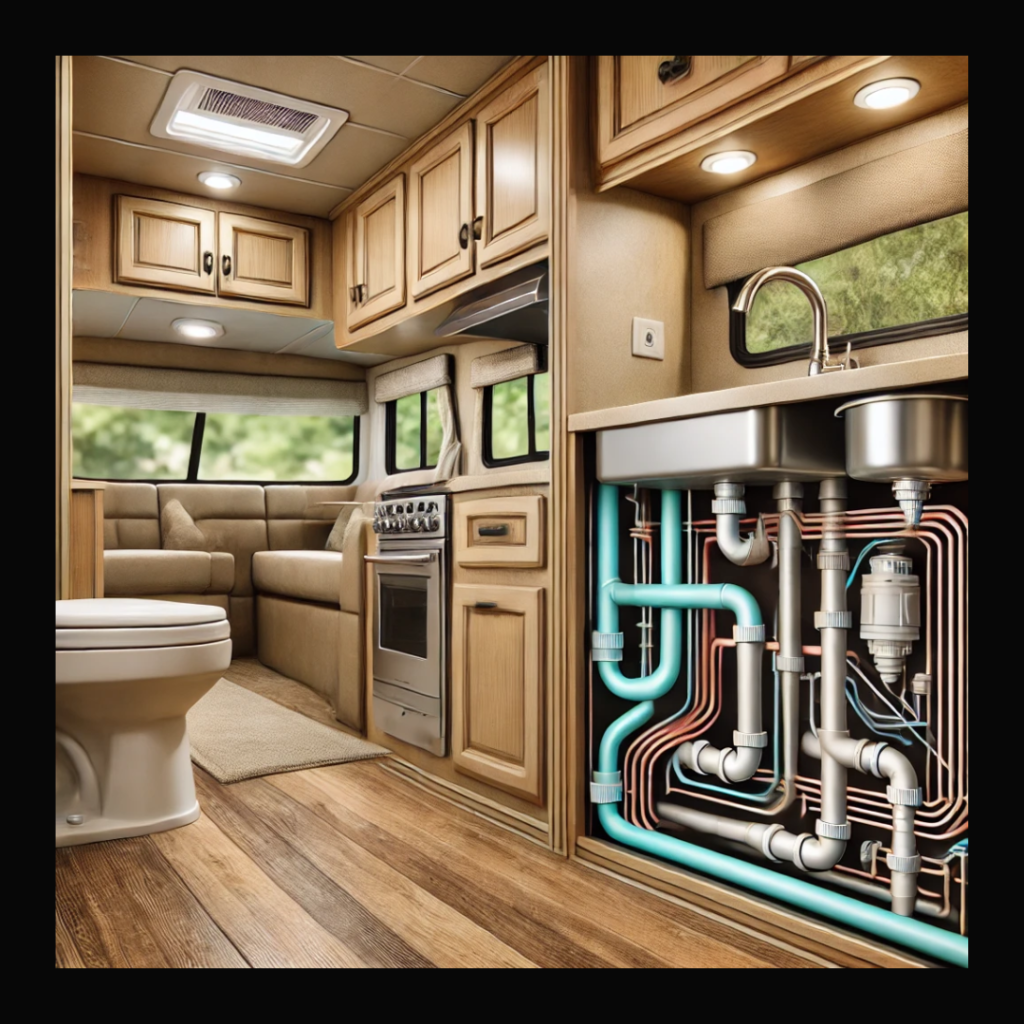
Owning an RV brings the joy of exploring the open road while carrying the comforts of home. However, RV plumbing issues can disrupt your adventures, which can leave you with inconvenient and costly repairs. Fortunately, most common problems are preventable with regular maintenance and proper care. If you are in need of expert assistance, having the number of a reliable service like Folsom RV Repair on hand can help you resolve any issues that arise effectively. In this blog, we will skim through the various ways to prevent common RV plumbing issues.
Prevent Leaks in the Plumbing System
Leaks are among the most common RV plumbing problems and often occur due to wear and tear or temperature changes. Here’s how you can prevent them:
Check Often: Look at all pipes, hoses, and connections for cracks or loose parts. Fix or replace anything if damaged.
Use Strong Materials: Get high-quality hoses and fittings that can handle regular use and pressure.
Prepare for Winter: Cold weather can freeze water and break pipes. Empty the water system and use antifreeze to protect it during the winter.
Pressure Regulation: Install a water pressure regulator to ensure your plumbing system doesn’t experience excessive pressure. Too much water pressure can cause pipes to burst or connections to loosen.
Prevent Clogged Drains
RV drains can clog more easily because they have smaller pipes than household drains. Here’s how to avoid clogs:
- Use Drain Covers: Place strainers over sink and shower drains to catch hair and debris.
- Be Careful What You Pour: Don’t let grease, food scraps, or large particles go down the drain.
- Clean Regularly: Flush drains with hot water and baking soda every now and then to remove buildup.
- Avoid Harsh Chemicals: Use eco-friendly and RV-safe drain cleaners, as harsh chemicals can damage your plumbing pipes and seals.
Maintain Your Tanks
The gray and black water tanks play crucial roles in the RV plumbing system. Poor maintenance can lead to foul odors, clogs, or worse. Here’s how to keep them in top shape:
- Use RV-Safe Products: Always use RV-safe toilet paper and tank treatments to avoid clogs and odors.
- Empty Tanks Regularly: Don’t let tanks get overfilled. Regular dumping prevents strain on the system and reduces the risk of leaks.
- Flush the Tanks: After emptying, rinse your tanks thoroughly with clean water to remove any lingering waste or buildup.
- Add Fresh Water: After dumping, fill the black water tank with fresh water and an appropriate holding tank treatment to prevent odors and keep the tank in good working condition.
Address Minor Issues Quickly
If the minor plumbing issues are left unchecked, it can escalate into major repairs later on. Even if it is a small leak, a loose connection, or unusual odors, addressing problems promptly can save you time and money. Keep a basic RV plumbing repair kit handy for quick fixes on the road. If you are facing electrical failures, be sure to check out Dealing with Electrical Failures in Your RV: What to Know to keep your RV in top shape.
Here’s how to handle minor plumbing issues effectively:
- Fix Problems Promptly: If you notice any leaks, strange odors, or unusual noises coming from the plumbing system, address them immediately to prevent further damage. These small issues can quickly lead to costly repairs if ignored.
- Carry a Basic Plumbing Kit: Keep a small RV plumbing repair kit with essential tools and supplies, such as sealants, pipe tape, and hose repair kits, so you can make quick fixes on the road.
- Know When to Call a Professional: Some plumbing issues require specialized knowledge. If you are unable to fix the problem yourself, don’t hesitate to contact a professional RV repair service.
Check Your Water Heater
Your RV’s water heater is another important component that can experience issues over time. Here’s how to prevent problems with your water heater:
- Flush the Tank: Sediment can build up in the water heater over time, affecting its performance. Regularly flush the tank to remove any debris or minerals that could cause blockages or inefficiency.
- Check the Anode Rod: The anode rod in your water heater protects the tank from corrosion. Inspect the rod regularly and replace it if it has worn down.
- Maintain Proper Temperature: Set the water heater to the recommended temperature to avoid excessive pressure buildup and reduce the risk of overheating.
Final Insights
Preventing RV plumbing issues is about regular maintenance, smart usage, and attention to detail. Therefore by adopting these practices, you can enjoy hassle-free travels and extend the lifespan of your RV plumbing system. A little effort now can save you from significant repairs later on, which will help you to create unforgettable memories on the road.