The Role of Frontend and Backend Technologies in Modern Web Apps
In today’s digital world, web applications are part of our daily lives. Whether you’re shopping online, chatting with friends, or using a banking service, web apps are everywhere. But have you ever wondered how these web apps work? Behind the scenes, there’s a dynamic interplay between frontend and backend technologies that makes these experiences possible. In this blog, I’ll walk you through the essential roles played by frontend and backend technologies in modern web applications, all while using a tone that’s easy to understand.
Understanding Frontend Technologies
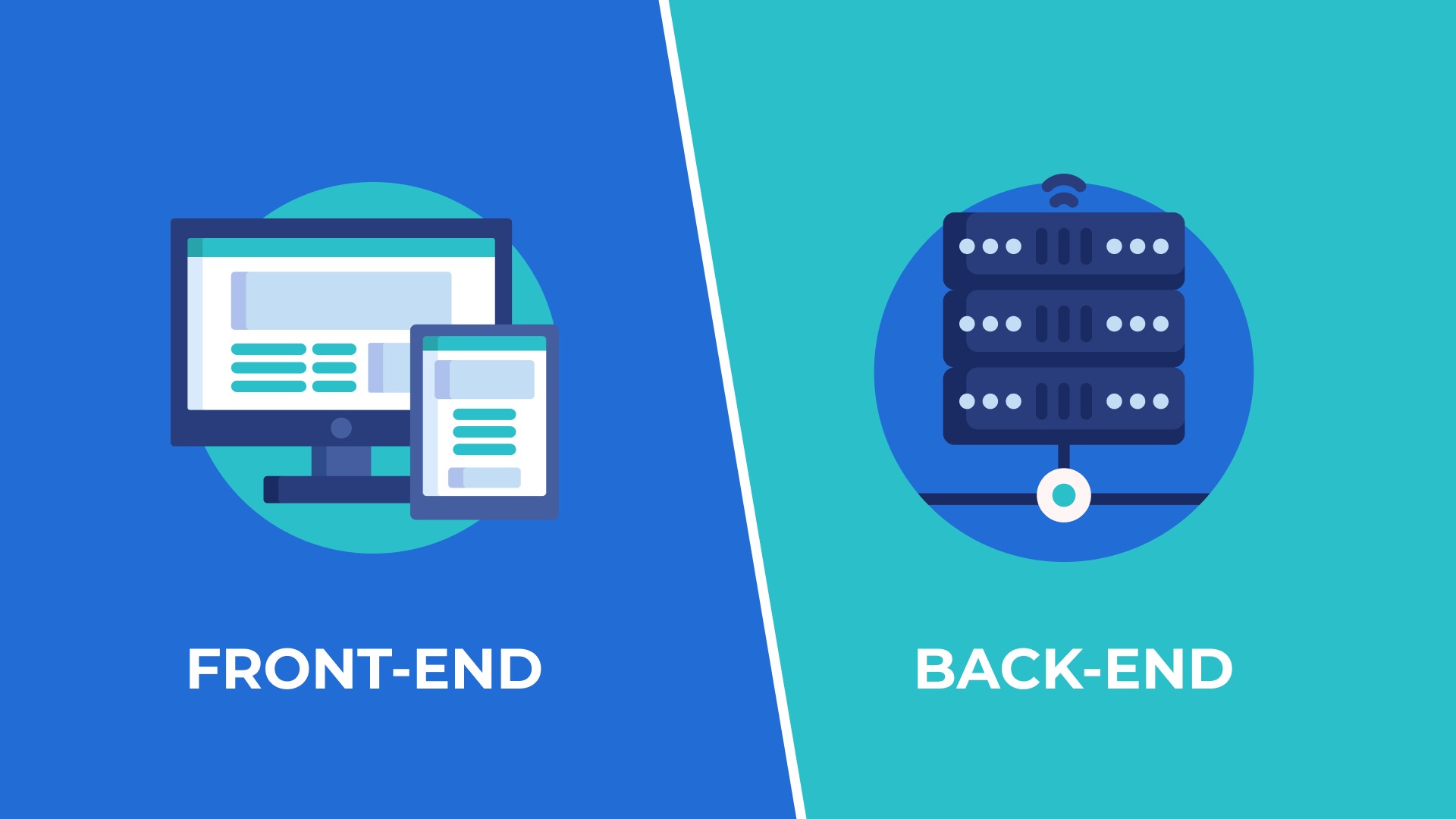
Frontend technologies are what you see and interact with when you use a web application. This includes the layout of a webpage, the design, colors, buttons, text, and everything else that makes the app visually appealing and usable. It’s the side of the app that interacts directly with the user. Think of it as the face of the web application.
The core technologies used for frontend development are HTML, CSS, and JavaScript.
- HTML (HyperText Markup Language): This is the backbone of every webpage. It helps in structuring the content of a web app, creating elements like headings, paragraphs, and images.
- CSS (Cascading Style Sheets): If HTML is the skeleton, CSS is the skin and clothing. CSS defines the style of the application—how everything looks, from fonts to colors and layouts. It’s all about making the app look visually appealing.
- JavaScript: JavaScript adds interactivity to the web app. It’s what makes things move, pop, or change dynamically. For instance, when you click on a button, and a window pops up—that’s JavaScript in action.
Frontend frameworks and libraries, such as React, Vue.js, and Angular, also play crucial roles in modern web app development. These frameworks simplify the process of building user interfaces by providing pre-built components, making development faster and more efficient. They also help in creating a responsive user experience, ensuring the app looks good and functions well across different devices, from desktops to smartphones.
What Happens on the Backend?
Now that we’ve covered the frontend, let’s explore the backend. While frontend is the visible part, backend technologies are what make everything work behind the scenes. Backend development involves server-side scripting, databases, and everything that powers the web app, allowing it to function seamlessly.
The backend acts as the brain of a web application. It’s responsible for storing, organizing, and processing data. Whenever you make a request on the frontend, like logging in or submitting a form, the backend processes this request and sends the appropriate response back to you.
The key components of backend development include:
- Server: The server is the machine (physical or cloud-based) that handles requests from the frontend and returns a response. It’s where your web application runs.
- Database: The database is where all the information is stored. This includes user data, product listings, orders, and everything else a web app needs to store. Popular databases include MySQL, MongoDB, and PostgreSQL.
- Programming Languages: Backend developers use programming languages like JavaScript (Node.js), Python, PHP, Ruby, or Java to build the logic that powers the web app. These languages handle user requests, connect to the database, and ensure everything runs smoothly.
Node.js, for example, is a popular choice for backend development because it allows developers to use JavaScript on both the frontend and backend, simplifying the development process.
Backend frameworks like Express.js (for Node.js), Django (for Python), and Laravel (for PHP) make it easier to build robust web apps by providing tools and components that speed up development. They handle things like routing (determining how requests are handled), user authentication, and much more, saving time for developers.
Frontend and Backend: Working Together
The true magic of web apps lies in the collaboration between frontend and backend technologies. Here’s how they work together to create a seamless user experience:
- User Interaction: It starts when you interact with the web app’s interface. For example, when you fill in your username and password and click the login button, that’s all happening on the frontend.
- Sending a Request: After you click the button, the frontend sends your data to the backend server. This is usually done through an API (Application Programming Interface), which acts as a bridge between the frontend and backend.
- Processing the Request: The backend then takes over. It checks if your credentials are correct by comparing them with the data stored in the database.
- Sending a Response: If your details match, the backend sends a response back to the frontend, letting it know that you’ve successfully logged in. The frontend then displays a message or redirects you to your dashboard.
This continuous communication between frontend and backend technologies is what makes the web app function. Without the backend, the frontend would just be a static display, and without the frontend, users wouldn’t be able to interact with the web app.
The Importance of Frontend and Backend in Modern Web Apps
Modern web apps need a perfect balance between frontend and backend technologies to be effective. Let’s explore why both are vital:
- User Experience (UX): A good user experience is essential for any web app. Frontend technologies ensure that the app is easy to use, fast, and visually appealing, which keeps users engaged. A smooth interface, responsive design, and intuitive navigation are all part of a great user experience.
- Performance and Functionality: While frontend provides an appealing look, the backend ensures that the app’s functionality is reliable. The backend takes care of data management, processing requests, and making sure everything works smoothly. A well-optimized backend makes the app faster and more secure.
- Scalability: Both frontend and backend technologies help in scaling the application. As the user base grows, frontend frameworks can manage increased interactions, while the backend can scale up to handle more data and requests efficiently.
- Security: Backend technologies play a key role in ensuring that web applications are secure. They manage user authentication, data encryption, and protection from attacks. However, the frontend also contributes by validating user inputs before they even reach the backend, helping to prevent security breaches.
Trends in Frontend and Backend Technologies
As technology evolves, new trends continue to shape the development of modern web apps. For example, Progressive Web Apps (PWAs) have become popular because they provide a native app-like experience while still being web-based. Frontend technologies like React and Angular are well-suited for building PWAs.
On the backend side, Serverless Architecture is gaining popularity. With serverless, developers can build and run applications without managing servers. This trend simplifies backend development and reduces infrastructure costs.
Conclusion
Frontend and backend technologies are the two core components of any modern web application. While the frontend handles everything you see and interact with, the backend ensures that everything works behind the scenes. Together, they create the seamless web experiences we enjoy today, from simple websites to complex, data-driven applications.
Understanding the role of both frontend and backend helps us appreciate the effort behind every click, swipe, and scroll. The synergy between the two is what makes web applications powerful, efficient, and enjoyable to use.