

Overhead Door Repairs: How to Extend the Lifespan of Your Door
An overhead garage door is essential to your home, offering security, convenience, and insulation. But like any mechanical system, it requires proper care and regular maintenance to ensure it operates smoothly and lasts as long as possible. Overhead Door Repairs, when done correctly, can greatly extend the lifespan of your door, saving you from costly replacements or extensive damage down the road. This guide will provide practical tips and advice on how to care for your garage door, spot potential issues early, and know when it’s time to call in a professional.
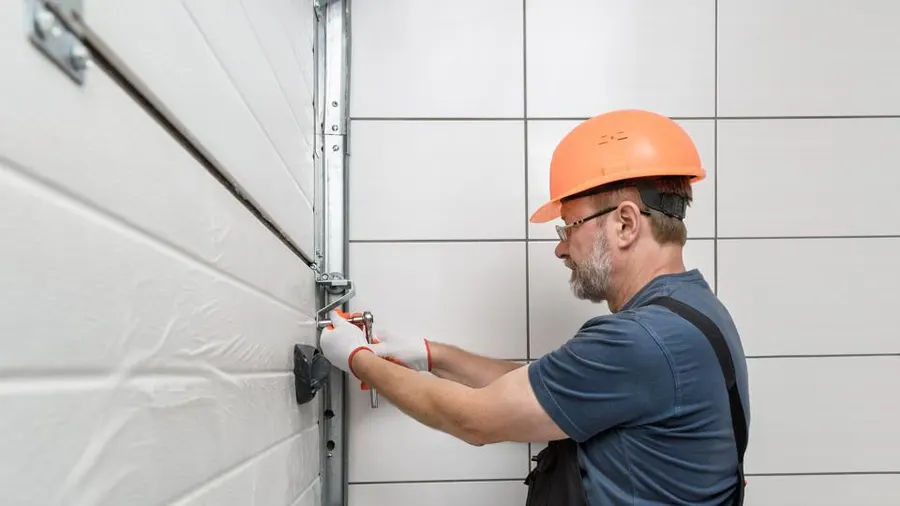
Understanding the Components of an Overhead Door
Before delving into maintenance and repair, it’s important to understand the basic components of an overhead garage door and how they work together to ensure smooth operation.
Springs
There are two main types of springs in overhead doors: torsion and extension. These springs are responsible for the door’s ability to lift and lower efficiently. Torsion springs are placed above the door and use a twisting motion to operate the door, while extension springs are typically found on either side of the door and stretch as the door opens.
Why they matter: If these springs become damaged or worn, the door may struggle to open or close, and attempting to operate the door with a broken spring can result in further damage. Replacing springs is a job best left to professionals due to the high tension they are under.
Tracks and Rollers
The tracks guide the door as it opens and closes while the rollers help it move smoothly along these tracks. These components are essential for the door’s operation.
Why they matter: Dirty or misaligned tracks can cause the door to become stuck, or the rollers can wear down and become noisy. Regularly cleaning and lubricating the tracks and rollers can prevent these problems.
Panels
The door panels are the large, flat sections of the door that make up its overall surface. They can be made of wood, steel, or aluminum, adding aesthetic appeal and structural integrity to the door.
Why they matter: Panels are often subjected to dings, dents, and weather-related damage. A broken panel affects the door’s appearance and can lead to issues with the door’s insulation and security.
Opener Mechanism
The garage door opener is the motorized system that opens and closes the door when activated by a remote, wall switch, or smart device.
Why they matter: A malfunctioning opener can prevent your door from operating altogether. Issues such as a faulty motor, worn-out gears, or a misaligned sensor can cause the opener to fail.
Regular Maintenance Tips to Extend Lifespan
Taking the time to maintain your garage door can significantly extend its life. Below are some key maintenance tips to keep your door functioning well for many years to come:
Lubricate the Moving Parts
Lubrication is crucial to ensuring that all the moving parts, including the springs, rollers, tracks, and hinges, continue to work smoothly. Regularly applying a silicone-based lubricant or a high-quality garage door lubricant to these components helps prevent friction and wear, which can result in costly repairs.
When to do it: Lubricate your door at least once a year or more frequently if it operates in harsh weather conditions.
Clean the Tracks and Rollers
Dirt and debris can build up on the tracks and rollers, causing the door to become stuck or operate slowly. To clean them, wipe the tracks with a dry cloth to remove dirt and use a small vacuum to remove debris. Make sure the tracks are clear of obstructions to ensure smooth movement.
When to do it: Clean the tracks every few months or when you notice the door moving slower than usual.
Tighten Loose Parts
With frequent use, the bolts, nuts, and screws on your garage door can loosen. It’s important to check these regularly and tighten them as needed. Pay particular attention to the hinges, rollers, and brackets, as these areas are under constant stress.
When to do it: Check for loose parts every few months or if you hear any unusual noises coming from the door.
Inspect the Weatherstripping
The weatherstripping around your garage door helps to keep out drafts, dirt, and moisture and provides insulation. Over time, weatherstripping can become brittle or damaged.
When to do it: Examine the weatherstripping every season to ensure it is in good condition. If it’s cracked or peeling, replace it to prevent energy loss and potential water damage.
Balance the Door
A properly balanced door is essential for its longevity. If the door is unbalanced, it can put excessive strain on the opener and springs, leading to premature wear and tear. To test the balance, disconnect the door from the opener and manually lift it. It may need to be balanced if it doesn’t stay open halfway.
When to do it: Test the balance at least once a year, and if necessary, call a professional to adjust the springs.
Identifying Early Signs of Trouble
It’s crucial to catch potential issues before they become major problems. Here are some early signs that your garage door might need attention:
Unusual Noises
Squeaking, grinding, or scraping noises often indicate something wrong with the moving parts. These sounds could result from worn-out rollers, lack of lubrication, or loose components.
Slow Operation
If the door opens or closes more slowly than usual, it could indicate a problem with the opener, springs, or tracks. Slow operation is often a sign that something is out of alignment.
Uneven Door Movement
If one side of the door moves faster than the other or gets stuck halfway, it could be a sign of misaligned tracks or faulty rollers. An uneven door should be addressed immediately to prevent further damage.
Damaged Panels
If the panels are cracked, dented, or warped, they not only affect the appearance of your door but can also compromise its function and insulation. Replace damaged panels promptly to maintain the integrity of your door.
Professional Repairs vs. DIY Maintenance
While you can do plenty of simple tasks to maintain your overhead door, some repairs should only be handled by a professional.
When to DIY:
- Lubricating the moving parts.
- Tightening loose bolts and screws.
- Cleaning tracks and rollers.
- Replacing weatherstripping.
When to Call a Professional:
- Replacing broken or worn-out springs.
- Fixing misaligned or damaged tracks.
- Repairing or replacing the door opener motor or sensors.
- Balancing the door.
Benefits of Professional Service:
- Expertise in diagnosing and fixing complex issues.
- Ensuring safety, as working with garage doors can be dangerous.
- Long-term reliability, as professional repairs often come with warranties.
The Importance of Timely Repairs
Neglecting minor issues with your garage door can lead to more expensive repairs. For example, a broken spring can cause the entire door to come off the track, while a misaligned track can strain the opener and other components. Timely repairs will save you money and keep your door functioning safely and efficiently.
Conclusion
Regular maintenance and timely repairs are essential for extending the lifespan of your Overhead Door Repairs. Following the tips, you can avoid major issues and enjoy a smooth-operating garage door for years. If you notice any signs of trouble or need assistance with more complex repairs, don’t hesitate to contact a professional garage door service like Aiken Augusta Garage Door for reliable, expert help.
FAQs
1. How often should I perform maintenance on my overhead door?
You should perform basic maintenance tasks like lubricating parts and cleaning the tracks at least once a year. However, more frequent checks are recommended if the door is used heavily or exposed to extreme weather conditions.
2. Can I replace the springs on my garage door myself?
Replacing garage door springs is a dangerous task that professionals should handle. These springs are under high tension, and attempting to replace them can result in injury.
3. Why is my garage door making loud noises?
Loud noises often indicate that the rollers, tracks, or springs are worn out or need lubrication. It’s important to address this issue promptly to avoid further damage to the door.
4. How can I tell if my garage door is unbalanced?
To check if your door is unbalanced, disconnect it from the opener and manually lift it. If it doesn’t stay open halfway, it is unbalanced and should be adjusted by a professional.
5. What should I do if my garage door stops working entirely?
If your garage door stops working, check the opener for any obvious issues, such as a tripped breaker or dead remote batteries. If the problem persists, it’s best to call a professional for a thorough inspection.